Introduction to Coding
Introduction to Programming
What Is Programming?
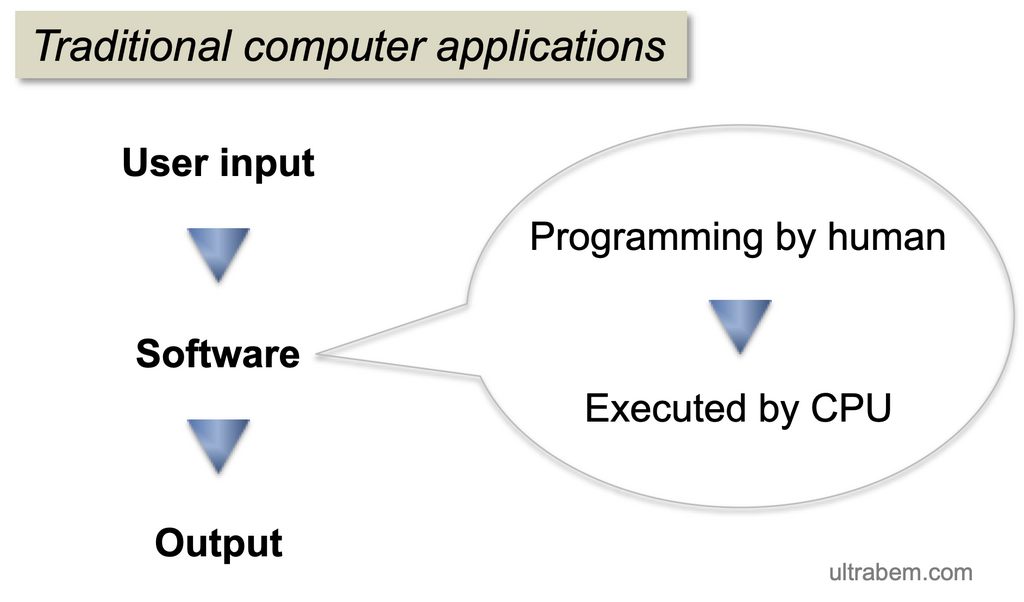
Programming is simply the process of giving a computer a set of instructions to follow. Think of it like writing a recipe. A recipe lists specific steps in a precise order to bake a cake. If you miss a step or write it unclearly, you won't get a cake. A computer program is a recipe that tells a computer exactly what to do, from calculating a sum to launching a rocket.
The purpose of programming is to solve problems. We write programs to automate repetitive tasks, analyze huge amounts of data, create video games, or build the apps you use every day. At its core, programming translates a human intention into a language a computer can understand and execute.
The Languages of Computers
Computers don't understand English or any other human language. Their native tongue is binary, a language of just two symbols: 0 and 1. Writing instructions directly in binary would be incredibly tedious and difficult for people.
Programming languages act as a bridge. They are structured languages that are much easier for humans to read, write, and understand. A special program, called a compiler or an interpreter, then translates the code we write into the binary instructions the computer's processor can execute.
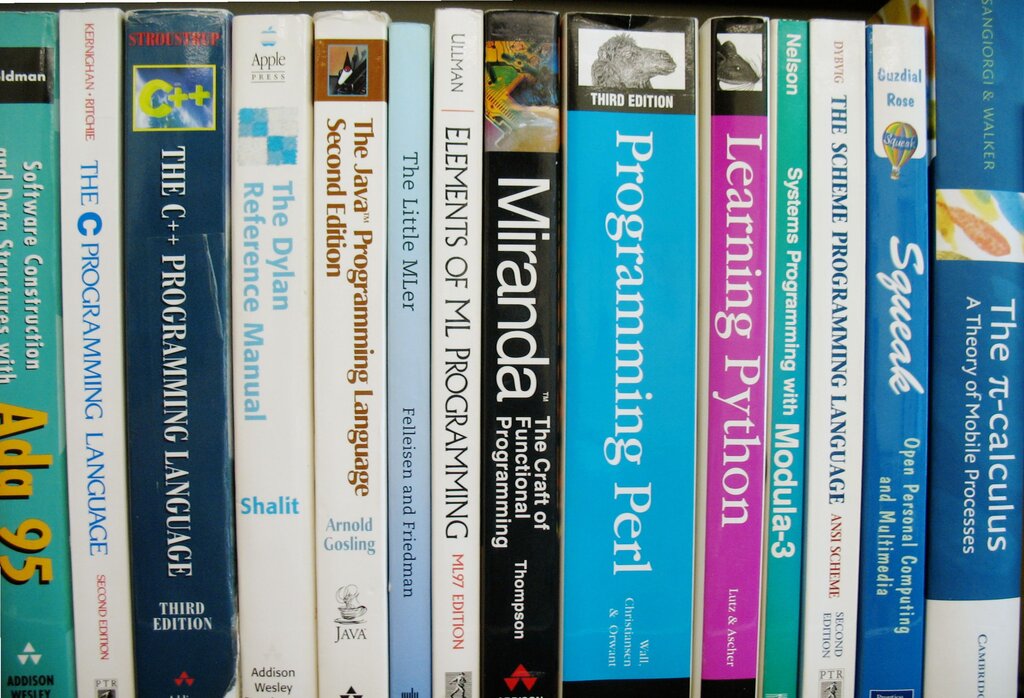
There are hundreds of programming languages, each designed for different kinds of tasks. Some are considered "high-level" because they are very abstract and human-like, while others are "low-level," meaning they are closer to the computer's own instruction set.
For example, Python is often used for data science and web development because its syntax is clean and readable. JavaScript is the primary language for making websites interactive. C++ is popular for high-performance applications like video games and operating systems.
Anatomy of a Program
While every language has its own unique rules, or syntax, most programs share a basic structure. To see this, let's look at the most famous first program for any new coder: "Hello, World!"
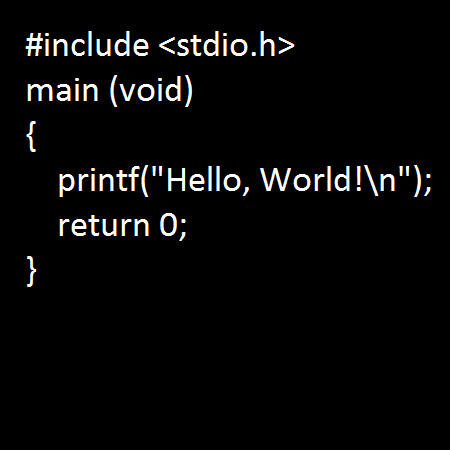
This simple program just prints the phrase "Hello, World!" to the screen. Even in this tiny example, we can see the fundamental building blocks of a program:
- A Starting Point: Every program needs a designated place to begin execution. In many languages, this is a special function or block called
main. - Commands: A command, or statement, is a single instruction. In this case, the
printfline is a command that tells the computer to display text. - Data: Programs almost always work with information, or data. Here, the text "Hello, World!\n" is the data our program is using.
These core components—a starting point, a sequence of commands, and the data they operate on—form the basis of all software, from the simplest script to the most complex operating system.
At its heart, a program is a sequence of instructions that manipulates data to produce a desired result.
Now that you have a basic idea of what programming is, you're ready to explore some of the foundational concepts that appear in nearly every language.
What is the primary purpose of a programming language?
The text uses a recipe as an analogy for a program. What does this analogy emphasize?