Introduction to Analytics
Introduction to Analytics
What is Analytics?
Analytics is the process of examining data to find meaningful patterns. Think of it like being a detective. You start with a pile of clues—raw numbers, facts, and figures. On their own, these clues might not mean much. But by systematically looking for connections and trends, you can piece together a story that helps you understand what happened and why.
Data analytics is the collection, transformation, and organization of these facts to draw conclusions, make predictions, and drive informed decision-making.
This process isn't about staring at spreadsheets until an answer appears. It’s a methodical way of using computation to sift through information, discover insights, and share them with others. The ultimate goal is to move from simply having data to using that data to make smarter, more confident decisions.
From Raw Data to Real Insights
Data in its raw form is just potential. Imagine a coffee shop has a record of every transaction from the past year. That’s a lot of data, but it doesn't immediately tell the owner how to improve the business. It’s just a long list of dates, times, and purchase amounts.
Analytics is what transforms this raw data into actionable insights. By analyzing the transaction records, the owner might discover that oat milk lattes are the best-selling item, or that sales dip every Tuesday afternoon. This insight isn't just interesting—it's useful. The owner can now make informed decisions, like ordering more oat milk or running a special promotion on Tuesdays.
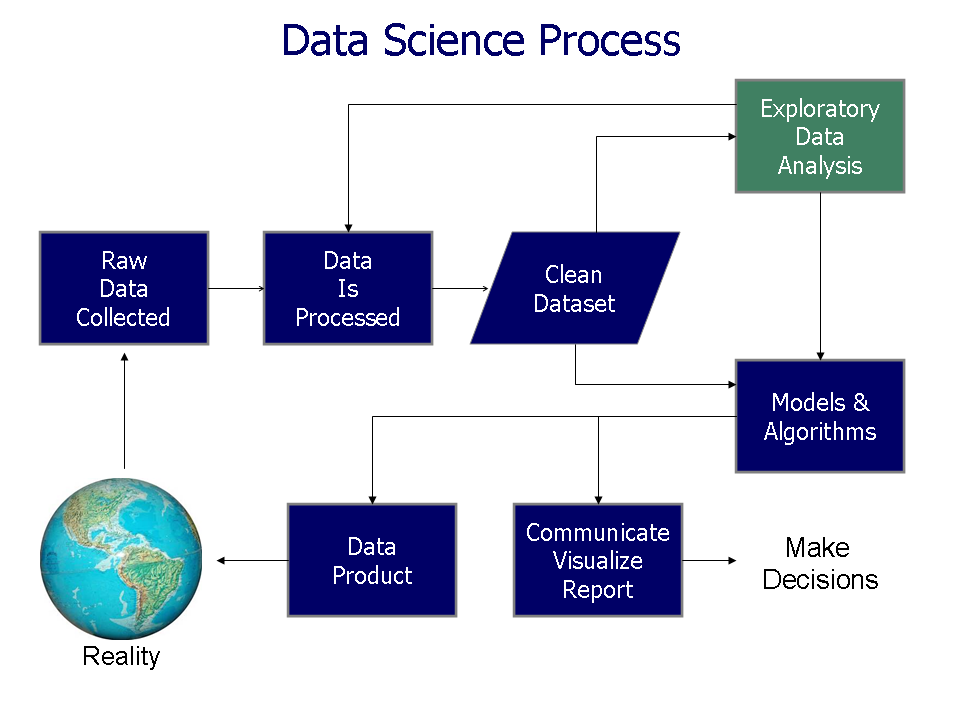
This transformation from numbers to knowledge is the core of analytics. It bridges the gap between what you have (data) and what you need (answers).
Why It Matters
Gut feelings have their place, but in a world full of complex information, data provides a clearer path. Analytics helps organizations move beyond guesswork and base their strategies on evidence. This leads to better planning, improved efficiency, and more accurate outcomes.
The applications are everywhere:
- Marketing teams analyze customer behavior to create more effective advertising campaigns.
- In finance, analysts look at market data to identify investment opportunities and manage risk.
- Healthcare providers use patient data to improve treatments and operational efficiency.
- Information security experts analyze network traffic to detect and prevent threats.
In each case, analytics provides the clarity needed to navigate complex challenges and make better choices.
Now you have a foundational understanding of what analytics is and why it's so important in today's world.