Introduction to 3D Printing
Introduction to 3D Printing
Building Objects from Scratch
At its heart, 3D printing is a way to build three-dimensional objects from a digital file. Instead of carving a shape out of a block of material, a 3D printer builds it up one tiny layer at a time. Think of it like building a loaf of bread slice by slice, but on a microscopic scale. This process of adding material together is why it's formally known as additive manufacturing.
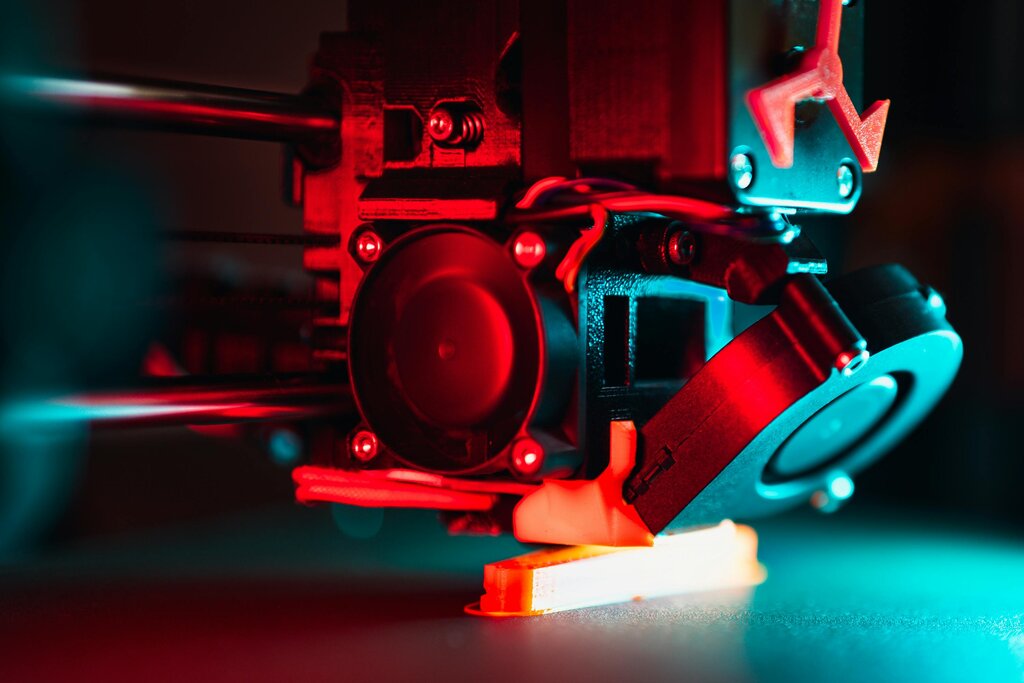
Additive manufacturing is the process of creating an object by building it one layer at a time.
This is the complete opposite of how we've made things for centuries. Traditional manufacturing is mostly subtractive. If you want to make a sculpture, you start with a block of marble and chip away everything that isn't the sculpture. If you want to make a metal part, you might start with a solid piece of aluminum and drill, cut, and grind it down to the final shape. You subtract material to get what you want.
From Lab to Desktop
3D printing might seem like a recent invention, but its roots go back to the 1980s. The first successful 3D printing technology, called stereolithography, was patented in 1984. For decades, this technology was incredibly expensive and complex, confined to large corporations and research labs for creating prototypes.
The real shift happened in the 2000s when key patents expired. This opened the door for inventors and hobbyists to create smaller, more affordable desktop 3D printers. Suddenly, a powerful manufacturing tool was available to almost anyone, sparking a wave of innovation that continues today.
The Advantages of Building Up
Why is adding material layer by layer such a big deal? It comes with some powerful benefits over traditional subtractive methods.
Design Freedom: With 3D printing, complexity is practically free. You can create intricate, hollow, or interlocking shapes that would be impossible to carve from a solid block. This allows engineers and designers to create parts that are stronger, lighter, and more efficient.
Speed: Going from a digital design to a physical object can happen in a matter of hours. This process, called rapid prototyping, lets designers quickly test and refine their ideas without waiting weeks for a custom part to be made.
Cost-Effectiveness: Traditional manufacturing often requires creating expensive molds or tooling, which only makes sense for mass production. 3D printing has no such setup cost. This makes it ideal for creating one-of-a-kind items, custom parts, or small batches of products at a low price per unit.
Less Waste: Since you're only adding the material you need, 3D printing can be a much less wasteful process than subtractive methods, which can leave behind a lot of scrap material.
The core strengths of 3D printing are its ability to create complex designs quickly and affordably, especially for one-off items or prototypes.
This foundation in additive manufacturing opens up a new way of thinking about how we make things. By understanding these basic principles, we can start to see why this technology is changing so many industries.