Intro to Programming
Introduction to Programming
What Is Programming?
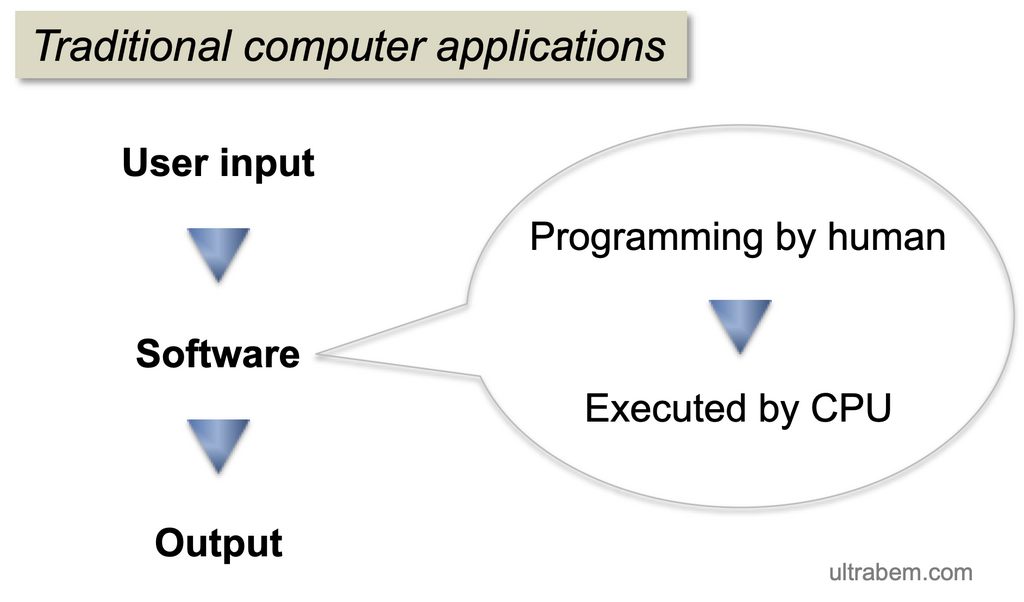
Programming is how we tell computers what to do. Think of it like writing a recipe. A recipe lists a series of steps to follow to bake a cake. In the same way, a program lists a series of steps for a computer to follow to complete a task. These instructions are written in a special language that the computer understands.
The purpose of programming is to solve problems. This could be a simple problem, like calculating the total of a grocery bill, or a complex one, like guiding a spacecraft to another planet. We use programming to create all the software we use daily, from the apps on our phones to the websites we browse and the games we play.
Thinking Like a Programmer
Before you can write instructions, you need a plan. In programming, that plan is called an algorithm. An algorithm is just a step-by-step procedure for solving a specific problem. It’s the logic behind the program.
For example, here’s a simple algorithm for making a sandwich:
- Get two slices of bread.
- Spread peanut butter on one slice.
- Spread jelly on the other slice.
- Put the two slices of bread together.
Every programming task starts with breaking down a big problem into smaller, manageable steps. This problem-solving approach is central to programming. You first need to clearly understand the problem you're trying to solve. Then you devise a logical plan, or algorithm, to solve it. Only then do you translate that plan into code.
Programming Paradigms
Just as there are different styles of writing, there are different styles of programming. These styles are called programming paradigms. They are essentially different ways of thinking about and structuring your code. You don't need to master them now, but it's helpful to know they exist.
Two of the most common paradigms are procedural and object-oriented programming.
| Paradigm | Core Idea | Analogy |
|---|---|---|
| Procedural | A series of step-by-step instructions (procedures) are executed in order. | A simple recipe that you follow from top to bottom. |
| Object-Oriented | The program is organized around 'objects' that contain both data and behaviors. | Building with LEGOs. Each block (object) has its own shape (data) and can connect to others (behaviors). |
Procedural programming is very direct and is often a great way to start learning. Object-Oriented Programming (OOP) is powerful for managing the complexity of larger applications. Most modern languages allow you to use a mix of these paradigms.
Start with foundational programming languages such as Python, Java, JavaScript, or C++. Focus on understanding basic syntax, data types, control structures, and object-oriented programming (OOP) concepts.
Understanding these core ideas of instructions, algorithms, and logical structure is the first step. With this foundation, you're ready to start exploring specific programming languages.
Ready to check your understanding? Let's try a few questions.
What is the best analogy for a program, according to the text?
In programming, what is an algorithm?
This covers the basic mindset behind all programming. Next, we'll look at the common components that make up a programming language.