India's New Criminal Laws Explained
New Criminal Laws Overview
A New Chapter in Criminal Justice
India's criminal justice system is undergoing its most significant overhaul since the colonial era. Three new laws have been enacted to replace the foundational legal texts that have governed the country for over a century. The primary goal is to shift the focus from a punitive, colonial-era framework to one that prioritises justice, citizen safety, and dignity. This is a deliberate move towards the decolonisation of Indian law, aiming to create a system that reflects modern Indian values and societal needs.
| Old Law | Replaced By |
|---|---|
| The Indian Penal Code, 1860 (IPC) | The Bharatiya Nyaya Sanhita, 2023 (BNS) |
| The Code of Criminal Procedure, 1973 (CrPC) | The Bharatiya Nagarik Suraksha Sanhita, 2023 (BNSS) |
| The Indian Evidence Act, 1872 | The Bharatiya Sakshya Adhiniyam, 2023 (BSA) |
These new acts, set to take effect from 1 July 2024, are not mere amendments. They represent a fundamental restructuring of substantive, procedural, and evidentiary law, aiming to modernise the entire criminal justice process.
Bharatiya Nyaya Sanhita (BNS)
The BNS replaces the Indian Penal Code (IPC), the primary source of substantive criminal law. While it retains many core offences, the BNS introduces significant changes in structure, definitions, and punishments. For the first time, offences like terrorism and organised crime are defined comprehensively within this primary penal code. The law also introduces new forms of punishment, such as for petty offences, reflecting a more reformative approach to justice.
Key goals of the BNS include making punishments more proportionate, protecting women and children more effectively, and addressing modern crimes that were not contemplated in the 19th-century IPC.
Bharatiya Nagarik Suraksha Sanhita (BNSS)
The BNSS takes the place of the Code of Criminal Procedure (CrPC), governing the entire process from the reporting of a crime to investigation, trial, and appeal. A central theme of the BNSS is the integration of technology into the legal process. It mandates the use of audio-video recording for statements and searches, and allows for trials, appeals, and the recording of evidence to be conducted electronically.
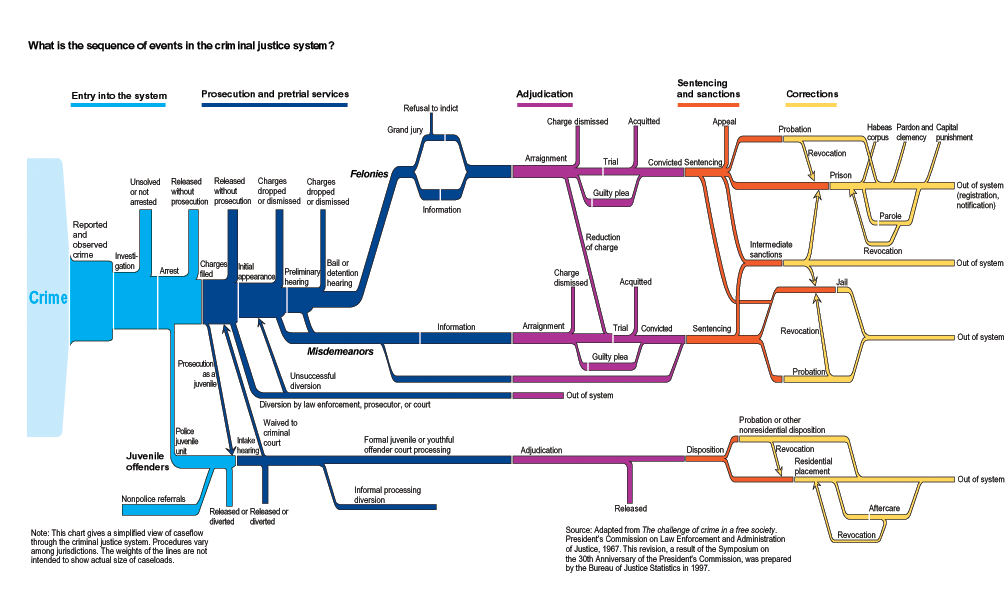
The new code also sets clear timelines for various procedures. For instance, it specifies time limits for filing charge sheets, framing of charges, and delivering judgments after a trial concludes. This is a direct attempt to combat the chronic delays that have plagued the Indian judicial system.
Bharatiya Sakshya Adhiniyam (BSA)
Replacing the Indian Evidence Act, the BSA modernises the rules of evidence to align with the digital age. It provides a clearer and more comprehensive legal framework for the admissibility of as evidence. The act gives digital records the same legal standing as paper documents, provided their authenticity can be verified. This change is crucial in an era where most communication and transactions happen digitally.
The legal foundation of this privilege in India is primarily rooted in Section 132 of the Bharatiya Sakshya Adhiniyam, 2023 (formerly Sections 126 to 129 of the Indian Evidence Act, 1872).
The BSA simplifies several complex rules from the old act, making the law of evidence more accessible and easier to apply. It aims to ensure that the process of proving facts in court is efficient and reliable, whether the evidence is physical or digital.
Let's review the new acts and their old counterparts.
Ready to check your understanding?
What is the primary stated goal of introducing the three new criminal laws in India?
Which new law replaces the Code of Criminal Procedure (CrPC), which governs the process from crime reporting to trial and appeal?
This overhaul marks a significant moment for India's legal landscape. The success of these laws will depend on their implementation and their ability to create a justice system that is truly swift, efficient, and citizen-centric.