Indian Commodity Short Selling Simplified
Introduction to Commodity Markets
What Are Commodity Markets?
A commodity is a basic good used in commerce that is interchangeable with other goods of the same type. Think of raw materials like crude oil, wheat, cotton, or precious metals like gold and silver. The key idea is uniformity. One barrel of Brent crude oil is the same as any other, just as one kilogram of 24-karat gold is identical to another.
Commodity
noun
A raw material or primary agricultural product that can be bought and sold, such as copper or coffee.
This interchangeability, known as fungibility, allows them to be traded on a large scale in what are called commodity markets. In these markets, producers can sell their goods, and buyers, from manufacturers to investors, can purchase them. It’s a global marketplace for the building blocks of our economy.
Where Trading Happens
Commodities aren't typically bought and sold in a physical marketplace like a local vegetable market. Instead, trading happens on organized commodity exchanges. These are formal marketplaces where buyers and sellers come together to trade standardized commodity contracts.
In India, the two primary exchanges are the Multi Commodity Exchange (MCX) and the National Commodity & Derivatives Exchange (NCDEX). MCX is the leader for metals and energy, while NCDEX is the main platform for agricultural commodities.
Exchanges act as intermediaries, ensuring that trades are fair, transparent, and settled correctly. They set the rules, standardize the contracts, and provide the technology for trading to occur smoothly.
By centralizing trading, exchanges create liquidity, meaning it's easy to find a buyer or seller at any given time. This makes the process efficient for everyone involved.
India's Precious Metals
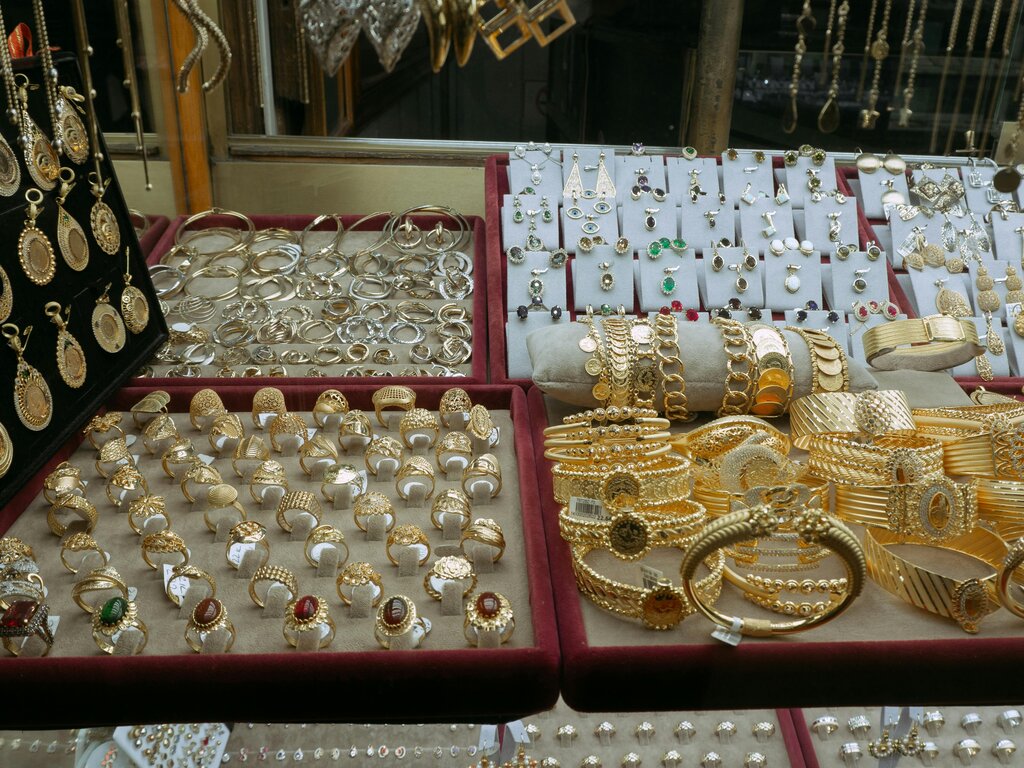
In India, gold and silver are more than just commodities; they are deeply woven into the cultural and economic fabric of the nation. From weddings and festivals to religious ceremonies, these metals hold immense significance. This cultural affinity makes India one of the largest consumers of gold in the world.
Beyond tradition, gold is also a popular investment. Many Indians buy gold as a store of value, a way to protect their wealth against inflation and economic uncertainty. This dual role as both a cultural item and a financial asset creates a unique and robust demand that has a major impact on global prices.
What Moves the Market?
Commodity prices are constantly in motion, influenced by a wide range of factors. Understanding these drivers is key to understanding the market itself. At the most basic level, it's all about supply and demand.
| Factor | Description | Example for Gold |
|---|---|---|
| Supply | How much of a commodity is available. | Changes in mining output or central bank selling policies. |
| Demand | How much of a commodity is wanted. | Increased jewelry buying during wedding season or investor demand during a recession. |
| Economic Data | Indicators of economic health. | Inflation figures; high inflation often increases demand for gold as a safe haven. |
| Geopolitical Events | Global political and social instability. | Conflicts or political crises can cause investors to flock to gold, driving up its price. |
| Currency Fluctuations | Changes in the value of currencies. | Gold is often priced in U.S. dollars, so a weaker dollar can make gold cheaper in other currencies, increasing demand. |
How Trading Works
Most commodity trading isn't about taking physical delivery of barrels of oil or bars of gold. Instead, it happens through financial instruments called derivatives, most commonly futures contracts.
A futures contract is simply an agreement to buy or sell a specific amount of a commodity at a predetermined price on a future date. These contracts are standardized by the exchange, specifying the quantity, quality, and delivery date.
For example, a jeweler in India might buy a gold futures contract to lock in the price of gold they'll need in three months. This protects them from a potential price increase before they need to purchase the physical metal.
Traders and investors also use these contracts to speculate on future price movements without ever handling the underlying commodity. They can buy a contract hoping the price will rise or sell one expecting it to fall, aiming to profit from the price difference.
This mechanism allows businesses to manage risk and provides a way for others to participate in the market, adding to its liquidity and efficiency.
Now that you've got the basics down, let's test your knowledge.
What is the defining characteristic of a commodity that allows it to be traded on a large scale?
An Indian investor wants to speculate on the future price of gold. Which exchange would they most likely use?
Understanding these fundamentals is the first step into the world of commodity markets. It's a vast and dynamic area that reflects the pulse of the global economy.