Improving Social Interactions
Understanding Emotional Intelligence
What is Emotional Intelligence?
Emotional intelligence, often called EQ, is the ability to understand and manage your own emotions. It's also about recognizing and influencing the emotions of others. Think of it as being smart about feelings. It's not about suppressing emotions, but rather understanding them so you can navigate social situations more effectively.
EQ is generally broken down into four key components:
| Component | Description |
|---|---|
| Self-Awareness | Recognizing your own emotions and how they affect your thoughts and behavior. It’s about knowing your strengths and weaknesses. |
| Self-Regulation | The ability to control impulsive feelings and behaviors, manage your emotions in healthy ways, and adapt to changing circumstances. |
| Empathy | Understanding the emotions, needs, and concerns of other people. It’s about picking up on emotional cues and feeling comfortable socially. |
| Social Skills | Knowing how to develop and maintain good relationships, communicate clearly, and work well with others. |
These skills work together. When you understand your own feelings (self-awareness), you're better equipped to manage them (self-regulation). And when you can do that, it's easier to understand how others feel (empathy) and build strong connections (social skills).
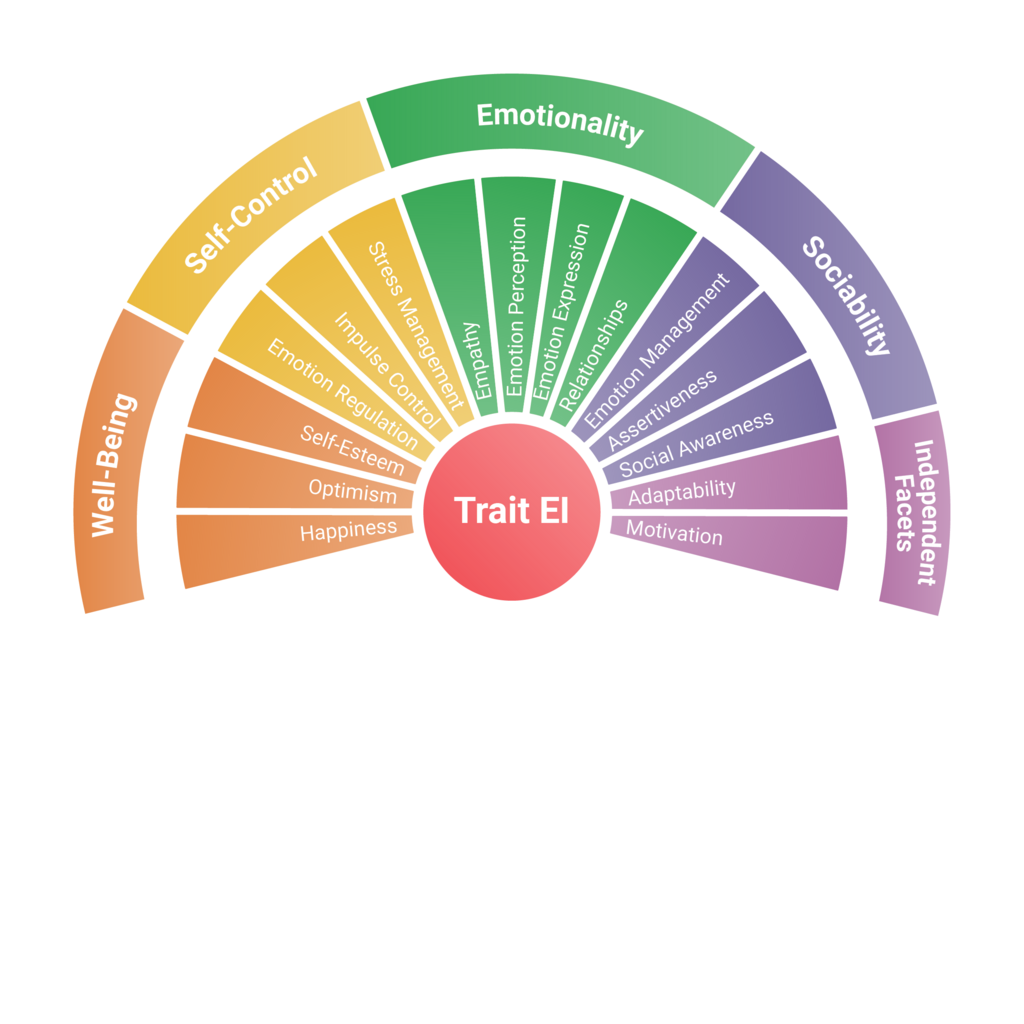
Why EQ Matters in Everyday Life
A high EQ helps you build stronger relationships, succeed at work, and achieve your personal goals. When you can manage your emotions, you can communicate your feelings more clearly and constructively. This reduces misunderstandings and helps you navigate social complexities with greater ease.
Emotional intelligence (EQ) gives you a practical edge: the ability to notice what you’re feeling, pause, and choose a response that supports your long-term goals.
For example, imagine a coworker gives you some harsh feedback on a project. An impulsive, low-EQ reaction might be to get defensive or angry. But with higher emotional intelligence, you can regulate that initial frustration. You can listen to the feedback, understand their perspective, and respond in a way that improves the project and maintains a good working relationship.
How to Build Your EQ
The good news is that emotional intelligence isn't fixed. It's a set of skills you can develop over time. The journey starts with looking inward.
To improve how you interact with others, you first have to understand yourself.
Start by practicing self-awareness and self-regulation. Try these techniques:
- Pause Before Reacting: When you feel a strong emotion, take a moment. Count to ten or take a deep breath before you speak or act. This simple pause creates space between a feeling and your reaction, giving you a chance to choose a more thoughtful response.
- Journal Your Emotions: Spend a few minutes each day writing down what you felt and what triggered those feelings. You're not looking for solutions, just patterns. You might notice you feel anxious every Sunday evening or irritated during long meetings. Recognizing these patterns is the first step to managing them.
- Practice Mindfulness: Mindfulness is the practice of paying attention to the present moment without judgment. It can be as simple as focusing on your breath for a minute. This helps you observe your thoughts and feelings as they come and go, rather than being controlled by them.
- Seek Feedback: Ask a trusted friend, family member, or colleague how they perceive your emotional responses. You might ask, "How do I seem to come across when I'm under pressure?" Their perspective can reveal blind spots you might not see on your own.
Once you're more in tune with your own emotions, you can focus on developing empathy and social skills. This is about turning your attention outward.
Try to understand the world from another person's perspective. Ask yourself: What might they be feeling, and why?
Pay attention to more than just words. Notice people's body language, tone of voice, and facial expressions. These non-verbal cues often say more than words do. When you listen to someone, try to hear the emotion behind what they're saying. This practice of active, empathetic listening is fundamental to building strong social connections.
Ready to test your knowledge? Let's see what you've learned about the fundamentals of emotional intelligence.
Which of the following best defines emotional intelligence (EQ)?
Your team receives some harsh, but potentially useful, feedback on a project. What is a response that demonstrates high emotional intelligence?
Developing emotional intelligence is an ongoing process of reflection and practice. By working on these skills, you can build a strong foundation for more effective communication and deeper relationships.