Hydroponics NFT Explained
Introduction to Hydroponics
Growing Plants Without Soil
Plants get three main things from soil: support for their roots, nutrients, and water. But what if they could get all that without the soil itself? That's the basic idea behind hydroponics. It’s a way of growing plants by providing all the nutrients they need in their water supply, eliminating the need for soil.
Hydroponics is a method of growing plants without soil, using a nutrient-rich water solution instead.
This might sound like a modern, high-tech invention, but the concept is ancient. Historians believe the famed Hanging Gardens of Babylon may have used hydroponic principles. The Aztecs also created floating gardens called chinampas, rafts of soil and plants on shallow lake beds, where the roots drew nutrients directly from the water.
The Benefits of Hydroponics
Growing without soil offers some significant advantages over traditional agriculture. One of the biggest is water conservation. In a typical garden, much of the water evaporates or runs off. Hydroponic systems can reuse and recirculate water, making them incredibly efficient.
By recirculating water, hydroponic systems can be up to 90% more water-efficient than traditional farming methods.
Space is another key benefit. Since plants don't need to spread out their roots to find nutrients, they can be grown closer together. This is perfect for urban areas or indoor farming, where space is limited. It also allows for vertical farming, stacking plants on top of each other to maximize a small footprint.
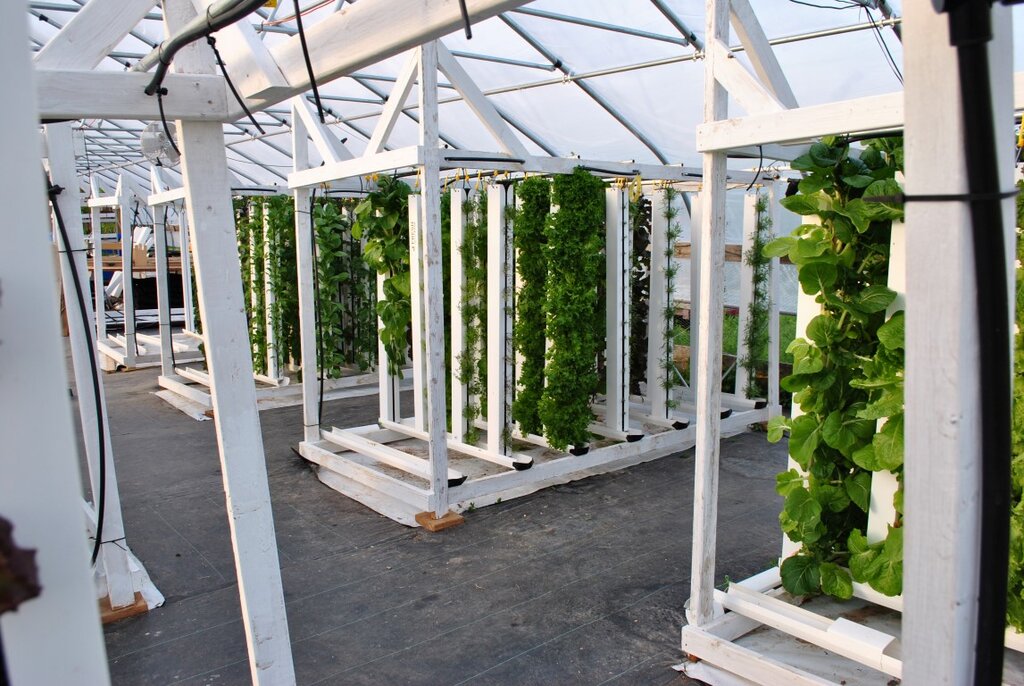
With direct access to nutrients and oxygen, plants in a hydroponic system often grow faster and produce higher yields. They don't waste energy developing extensive root systems to search for food. Plus, by eliminating soil, you also get rid of soil-borne pests and diseases, reducing the need for pesticides.
Common Hydroponic Systems
There isn't just one way to do hydroponics. Several different systems have been developed, each with its own approach. Here are a few of the most common.
Deep Water Culture (DWC)
noun
A hydroponic method where the plant roots are suspended directly in a nutrient-rich, oxygenated water solution.
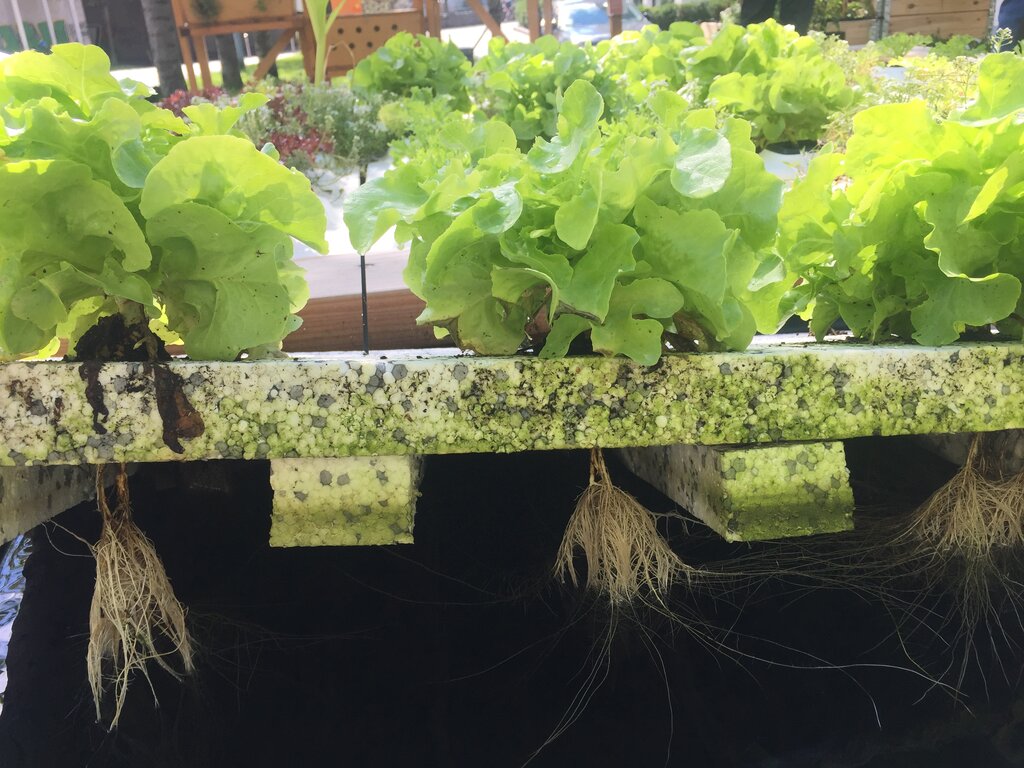
DWC is one of the simplest systems. Plants are placed in net pots that hold them in place, and their roots hang down into a reservoir of nutrient solution. An air pump and air stone are used to oxygenate the water, which is crucial for preventing the roots from drowning. It's a popular choice for beginners and for growing leafy greens.
Another common method is the Ebb and Flow system, also known as Flood and Drain. In this setup, the plants are in a grow bed filled with a growing medium like perlite or clay pebbles. A timer controls a pump that periodically floods the bed with nutrient solution from a reservoir below. After a short time, the solution drains back into the reservoir. This cycle of flooding and draining ensures the roots get both nutrients and plenty of oxygen.
Finally, Drip Systems are very common in commercial hydroponics. In this method, a network of tubes delivers a slow drip of nutrient solution directly to the base of each plant. Any excess runoff can be collected and reused, making it a very water-efficient system. It offers precise control over how much nutrient solution each plant receives.
| Feature | Soil Cultivation | Soilless Cultivation (Hydroponics) |
|---|---|---|
| Water Use | High; significant loss to evaporation and runoff. | Low; water is often recirculated and reused. |
| Space Needed | High; plants need space for extensive root systems. | Low; plants can be grown closer together and vertically. |
| Nutrient Control | Difficult; depends on soil quality and amendments. | Precise; nutrient solution can be tailored to the plant. |
| Pest Issues | Prone to soil-borne diseases, insects, and weeds. | No soil-borne pests or weeds. |
| Growth Rate | Slower; plants expend energy on root growth. | Faster; nutrients are readily available to the roots. |
Understanding these basic principles and systems provides a strong foundation for exploring more advanced hydroponic techniques. Each method offers a unique way to solve the fundamental challenge of giving plants exactly what they need to thrive, without the soil.