HSE's Crucial Role in Oil & Gas Change and Conflict
HSE Foundations
What is HSE?
Health, Safety, and Environment (HSE) is a framework that organizations use to ensure their operations don't cause harm to anyone. It’s a combined effort to protect three things: the well-being of people, the integrity of equipment and property, and the health of the natural world.
Let’s break it down:
- Health: This focuses on preventing occupational illnesses. In the oil and gas industry, this could mean protecting workers from exposure to harmful chemicals or excessive noise.
- Safety: This is about preventing accidents and injuries. It involves identifying potential dangers, like working at heights or with high-pressure equipment, and putting controls in place to manage them.
- Environment: This covers the protection of air, water, land, and ecosystems from pollution and damage. For oil and gas, a major focus is preventing spills and managing waste properly.
Think of HSE not as three separate subjects, but as one integrated system. A safe workplace is usually a healthy one, and operations that are safe for people are often better for the environment, too.
Why HSE Matters in Oil and Gas
The oil and gas industry is inherently risky. Operations involve flammable substances, high-pressure systems, heavy machinery, and often take place in remote or harsh locations. Without a strong HSE culture, the potential for catastrophic accidents is high.
Effective HSE management is crucial for several reasons. First and foremost, it protects human lives. It ensures that every worker goes home safely at the end of their shift. Second, it safeguards the environment. Oil spills can have devastating, long-lasting effects on marine life, coastal communities, and local economies. Strict environmental protocols help prevent these disasters.
Finally, good HSE is good business. Accidents lead to costly shutdowns, expensive cleanup efforts, regulatory fines, and damage to a company's reputation. Proactively managing health, safety, and environmental risks is essential for sustainable and responsible operations.
Key Regulations in Nigeria
In Nigeria, the oil and gas industry doesn't operate in a vacuum. A robust regulatory framework exists to enforce HSE standards. The primary goal is to ensure that companies extract natural resources in a way that is safe and environmentally responsible.
Two key players in this landscape are:
-
Nigerian Upstream Petroleum Regulatory Commission (NUPRC): This body, which took over the functions of the former Department of Petroleum Resources (DPR), is the main regulator for the upstream sector. It sets the technical and safety standards for exploration and production activities, issues permits, and conducts inspections to ensure compliance.
-
National Oil Spill Detection and Response Agency (NOSDRA): As its name suggests, NOSDRA is responsible for preparing for and responding to oil spills. The agency works to ensure that in the event of a spill, containment and cleanup efforts are swift and effective to minimize environmental damage.
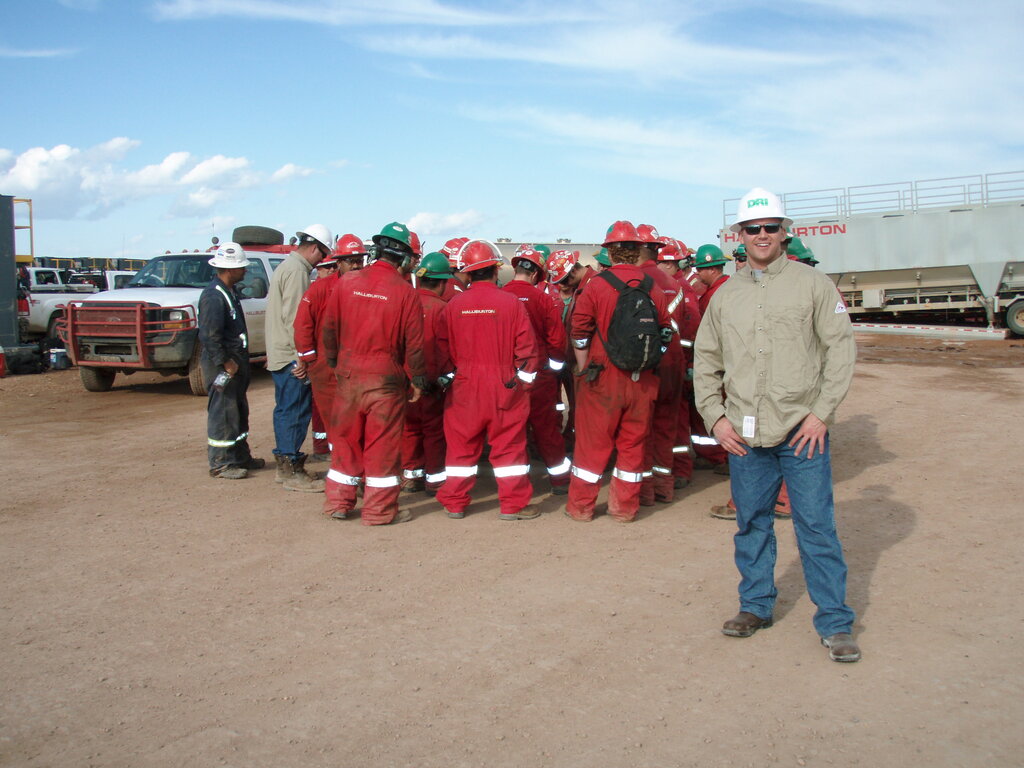
It’s vital that Oil and Gas industry safety training is provided for workers.
These regulations are not just suggestions; they are legally binding requirements. Companies that fail to comply face serious penalties, including fines and the potential suspension of their operating licenses.
The Role of an HSE Officer
An HSE Officer is the on-the-ground champion for health, safety, and environmental performance. Their job is multifaceted and crucial to daily operations. They are not just there to enforce rules, but to build a culture where safety is everyone's responsibility.
| Responsibility | Description |
|---|---|
| Risk Assessment | Identifying potential hazards and evaluating the risks they pose. |
| Incident Investigation | Analyzing accidents or near-misses to understand the root cause and prevent recurrence. |
| Training & Drills | Educating workers on safety procedures and conducting emergency response drills. |
| Monitoring & Inspection | Regularly checking the workplace, equipment, and procedures to ensure they comply with standards. |
| Reporting | Keeping detailed records of safety performance, incidents, and inspections for management and regulators. |
Ultimately, the HSE officer acts as an advisor, coach, and inspector. Their goal is to empower all employees with the knowledge and tools to work safely and protect the environment, ensuring that HSE principles are put into practice every day.
Ready to check your understanding? Let's review the key concepts.
What are the three core components that the HSE framework aims to protect?
Which Nigerian agency is primarily responsible for preparing for and responding to oil spills to minimize environmental damage?
This foundation in HSE principles is the starting point for ensuring that energy development is managed safely and responsibly.