Household Disaster Preparedness
Understanding Disaster Risks
Know Your Risks
Before you can prepare for a disaster, you need to know what you’re preparing for. A general-purpose emergency kit is a good start, but true preparedness means understanding the specific threats in your area. Disasters aren't one-size-fits-all. The risks for a family in coastal Florida are very different from those for a family in Southern California.
Emergencies fall into two broad categories: natural and man-made. Natural disasters are caused by the Earth's own processes, while man-made disasters stem from human activity or technological failures.
Nature's Fury
Natural disasters are powerful events that can reshape landscapes and lives in minutes. They vary widely depending on geography and climate.
- Hurricanes are massive storm systems that form over warm ocean waters, bringing intense winds, heavy rain, and storm surges to coastal areas.
- Earthquakes are sudden, rapid shakings of the earth caused by the breaking and shifting of underground rock. They can strike without warning and cause buildings and bridges to collapse.
- Floods are the most common natural disaster in the United States. They can result from heavy rain, melting snow, or a failed dam, inundating areas that are normally dry.
- Wildfires are uncontrolled fires that burn through wildland areas. Often started by lightning or human carelessness, they can spread with incredible speed, especially in dry, windy conditions.
- Tornadoes are violently rotating columns of air that extend from a thunderstorm to the ground. They are capable of destroying well-made structures, uprooting trees, and hurling objects through the air.
hazard
noun
A potential source of danger or harm.
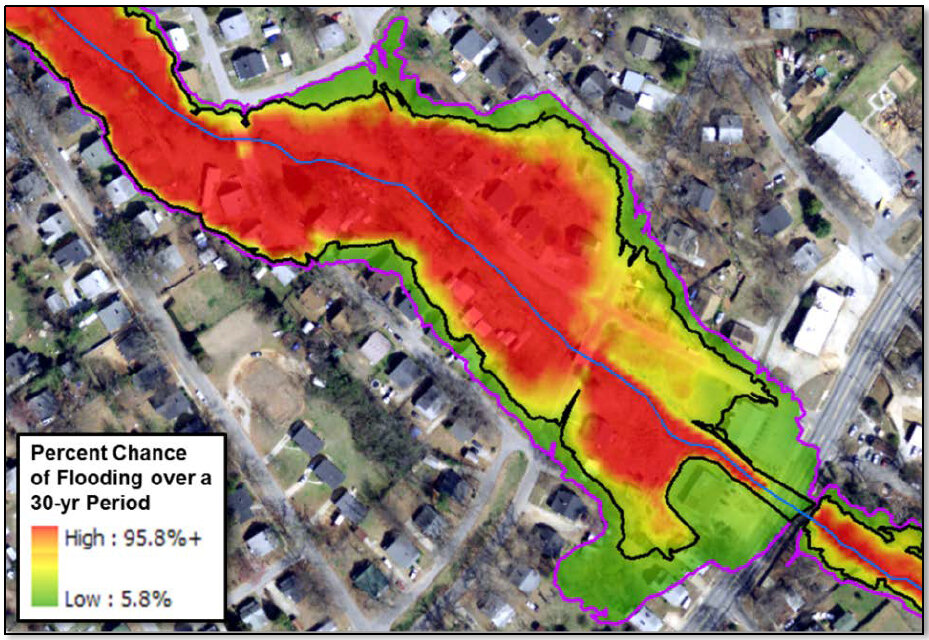
Understanding which of these hazards are common in your region is the first step toward effective preparation. A flood map, for instance, can show you if your home is in a high-risk area.
Human-Caused Hazards
Not all emergencies come from nature. Some are the result of accidents or infrastructure failures. These can be just as dangerous and disruptive.
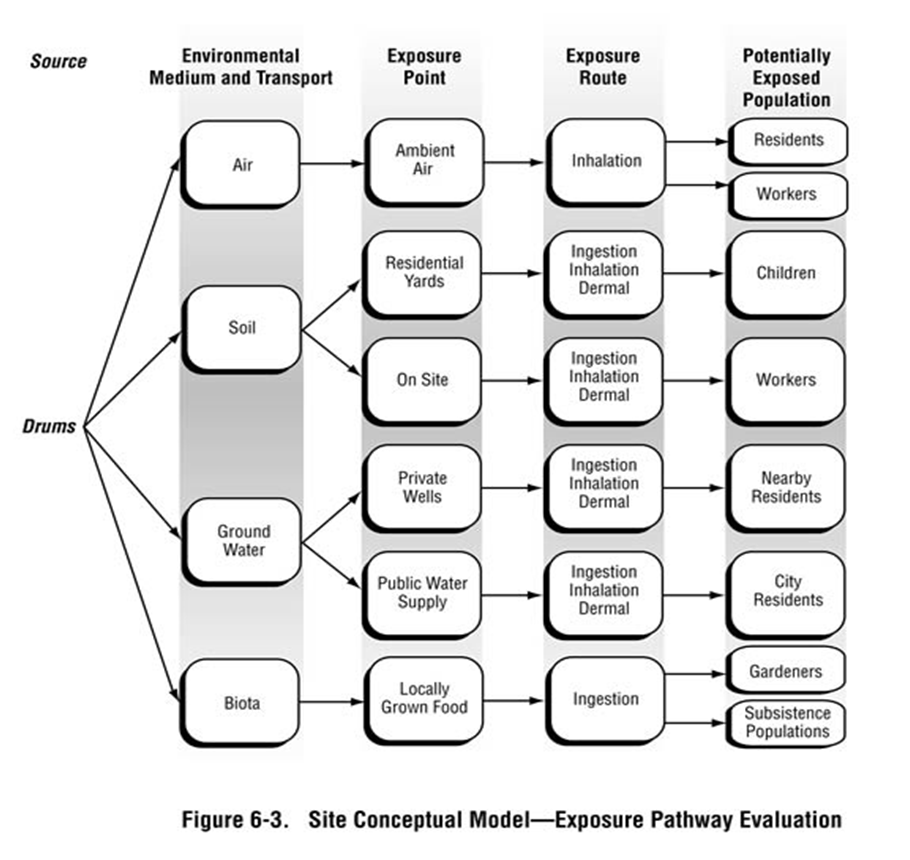
Hazardous material spills can happen after a train derailment or a traffic accident involving a tanker truck. These spills can release toxic chemicals into the air, soil, and water, forcing evacuations and long-term cleanup efforts.
Power outages can plunge a neighborhood or an entire city into darkness. While often caused by storms, they can also result from equipment failure or damage to the power grid. A prolonged outage can affect water purification, food storage, and communication systems.
Industrial accidents, like explosions or fires at manufacturing plants, can also release harmful substances and pose a direct threat to nearby communities.
Your Local Landscape
So, how do you figure out which disasters you should be most concerned about? The best place to start is with local resources. Your city or county's emergency management agency is a primary source of information. Their websites often feature detailed risk assessments and preparedness guides tailored to your community.
National organizations like the Federal Emergency Management Agency (FEMA) and the National Oceanic and Atmospheric Administration (NOAA) also provide valuable tools, including interactive maps for floods, wildfires, and storm surge risks. Thinking about your surroundings can also provide clues. Do you live near a major highway or railroad track? Is there a chemical plant or refinery nearby? Are you in a coastal floodplain or a forested area prone to drought?
People are advised to check disaster preparedness websites in the areas where they live or work as information and recommendations may vary depending on factors like geography and climate.
Once you've identified the primary hazards, think about how they could directly impact your daily life. It’s not just about the immediate danger of the event itself, but the chain of events that follows.
How Disasters Hit Home
A major disaster can disrupt the essential services we rely on every day. Understanding these potential impacts helps clarify why preparation is so important.
Your household could face:
- Loss of Utilities: Power, water, gas, and internet could be out for days or even weeks. This affects your ability to cook, stay warm or cool, and get information.
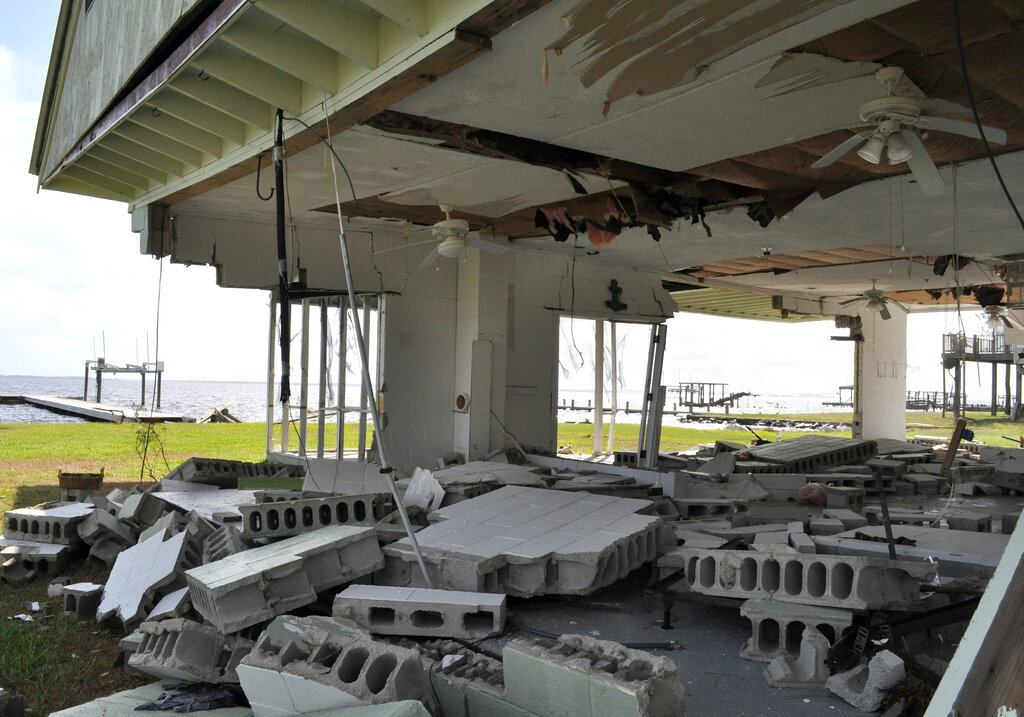
- Damage to Your Home: Disasters can cause structural damage that makes your home unsafe to live in.
- Supply Chain Disruptions: Roads may be impassable, and grocery stores could be closed or have empty shelves. Access to fuel, medicine, and cash might be limited.
- Evacuation Orders: You might be forced to leave your home on short notice, not knowing when you'll be able to return.
Knowing your risks is about connecting the dots from a potential hazard, like a hurricane, to a tangible impact, like being without power and clean water for a week.
Now that you have a clearer picture of the types of disasters and how to assess your local risks, let's test your knowledge.
What is the most crucial first step in creating an effective disaster preparedness plan?
Which of the following is classified as a man-made disaster?