Home Network Security Audit
Understanding Home Network Security
Your Digital Front Door
Think of your home network as the digital front door to your life. It’s the Wi-Fi connection that links your computer, phone, smart TV, and even your refrigerator to the internet. Home network security is the practice of locking that door and keeping unwanted visitors out. It's about protecting all the information that travels across your network from anyone who shouldn't have access to it.
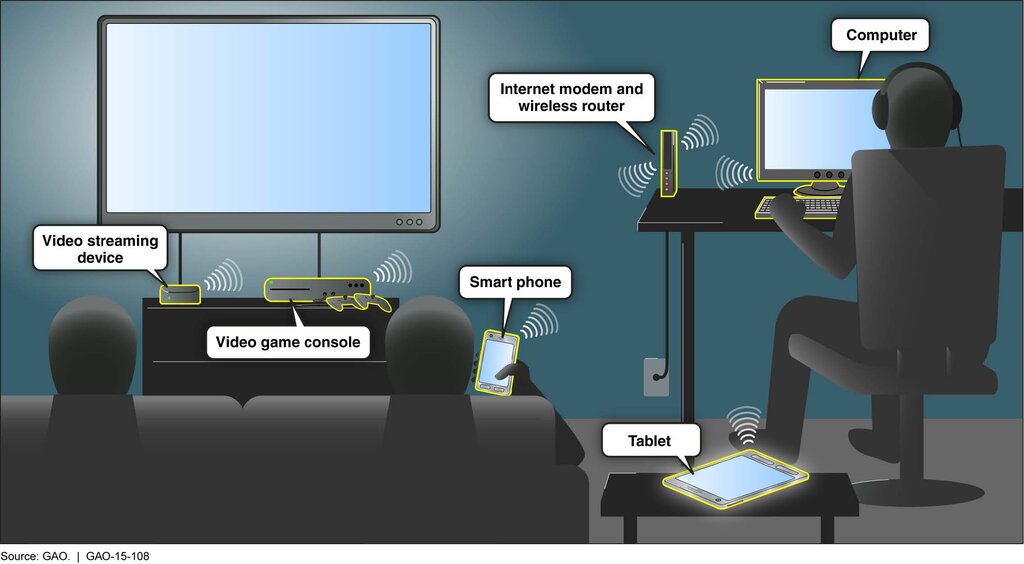
Years ago, you might have only had one computer connected to the internet. Now, dozens of devices can be online at once. Each one is a potential entry point for someone with bad intentions. Securing your network means you're not just protecting your laptop, but every single smart device in your home.
Common Threats to Watch For
Several types of threats can target a home network. One of the most common is simple unauthorized access. This happens when someone gains access to your Wi-Fi network without your permission, maybe because of a weak or default password. Once they're in, they can potentially see what you're doing online or use your internet for illegal activities.
Malware is another major risk. This includes viruses, spyware, and ransomware that can infect your devices through the network. An unsecured network makes it easier for malware to spread from one device to another.
Phishing attacks are also a significant threat. These are attempts to trick you into giving up sensitive information, like passwords or credit card numbers. While they often arrive via email, they can also come through compromised websites that you might access over your network.
Every connected device, from your laptop to a smart lightbulb, is a potential target.
The Impact of a Breach
So what happens if someone breaks through? A security breach can have serious consequences. Attackers could steal personal information stored on your devices, like financial records, private photos, and login credentials for your bank or social media accounts. This can lead directly to identity theft.
Your devices could also be hijacked and used as part of a larger attack. An attacker might take control of hundreds or thousands of home computers to create a "botnet," which can be used to send spam or attack websites without the owners' knowledge. Your devices could even be held for ransom by malware that encrypts your files and demands payment to unlock them.
No matter how many precautions you take, if the network you are connected to is not properly secured, you are exposed to danger and vulnerable to cyberattacks.
Securing your network is about creating a safe digital environment for yourself and your family. It's a fundamental step in protecting your privacy and your digital life.