Hindi Family Terms Explained
Introduction to Hindi Kinship Terms
Family Words
In Hindi, the words you use for family are more than just labels. They are part of what's called 'Jagga Sambandhi Shabdawali' (जगह संबंधी शब्दावली), which translates to the vocabulary of relationships and their place. These terms are a window into Hindi culture, revealing the structure and values of the family unit.
Unlike in English, where 'uncle' or 'cousin' can refer to many different people, Hindi has specific words for nearly every family member. This isn't just for clarity. Using the correct term is a sign of respect and shows you understand your unique relationship with that person. It acknowledges their specific role and your place relative to them.
रिश्ते
noun
Relationships or connections, especially within a family.
The Family Structure
Traditionally, the joint family system, or 'sanyukt parivar' (संयुक्त परिवार), has been common in India. In this system, multiple generations live together in one household. Grandparents, parents, uncles, aunts, and cousins all share a home and daily life. This structure explains why so many specific kinship terms exist, as daily interaction required clear ways to address everyone.
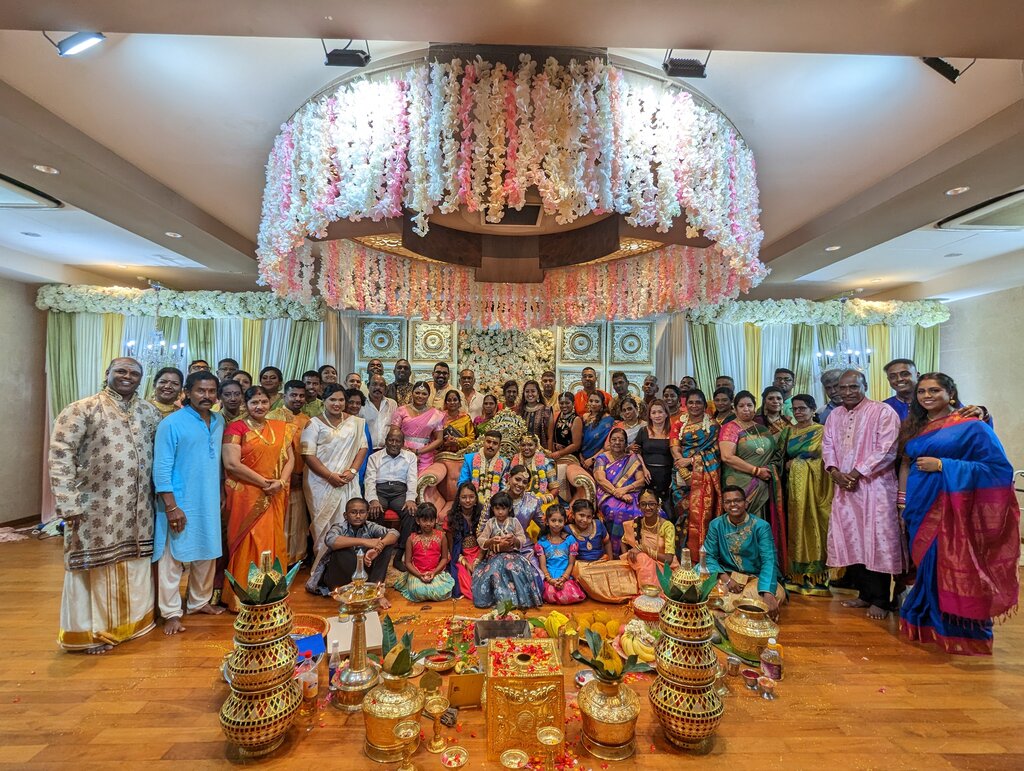
While nuclear families, or 'ekal parivar' (एकल परिवार), are more common today, especially in cities, the importance of the extended family remains. The detailed vocabulary is still very much in use. For example, there's a distinct word for your mother's brother ('mama') and your father's younger brother ('chacha'). Your father's sister ('bua') is called something different from your mother's sister ('mausi').
Each title isn't just a name; it's a map of your family tree and your unique place within it.
Understanding these terms is a key step in speaking Hindi naturally and connecting with people on a deeper level. It shows an appreciation for the cultural fabric that weaves families together.