GTO Shutdown with Capacitors
Gas Turbine Basics
The Core Components
A gas turbine might seem complex, but at its heart, it's built around three key parts. Understanding these components is the first step to seeing how the whole engine works.
The combustion (gas) turbines being installed in many of today's natural-gas-fueled power plants are complex machines, but they basically involve three main sections:
-
Compressor: This is at the front of the engine. Its job is to suck in outside air and squeeze it, much like a bicycle pump compresses air into a tire. The compressor consists of many rows of tiny, fan-like blades that spin at high speed, forcing the air into a smaller and smaller space. This increases the air's pressure significantly.
-
Combustion Chamber: The high-pressure air from the compressor flows into the combustion chamber, also called the combustor. Here, a steady stream of fuel is sprayed into the air and ignited. This is a continuous, controlled explosion that heats the air to extremely high temperatures, well over 1000°C (about 1800°F). This process adds a massive amount of energy to the gas.
-
Turbine: The super-hot, high-pressure gas then blasts into the turbine section. The turbine looks similar to the compressor, with rows of blades. As the hot gas expands and rushes past these blades, it forces them to spin at very high speeds. It's like a pinwheel spinning in a strong wind.
Crucially, the turbine and the compressor are connected by a central shaft. About two-thirds of the energy captured by the spinning turbine is used to power the compressor. The remaining one-third is the useful power that can be used for other tasks.
How It All Works Together
The continuous process of pulling in air, compressing it, burning fuel, and expanding the hot gas is known as a thermodynamic cycle. For gas turbines, this is called the Brayton cycle.
The Brayton cycle has four main steps: Intake, Compression, Combustion, and Expansion.
We've already touched on these, but let's see them as a sequence:
- Intake: Air is drawn into the engine.
- Compression: The compressor blades spin and squeeze the air, increasing its pressure and temperature.
- Combustion: Fuel is mixed with the compressed air and ignited, adding a huge amount of heat energy.
- Expansion: The hot, high-pressure gas expands through the turbine section, forcing the turbine blades to spin. This spinning action powers both the compressor and an output shaft.
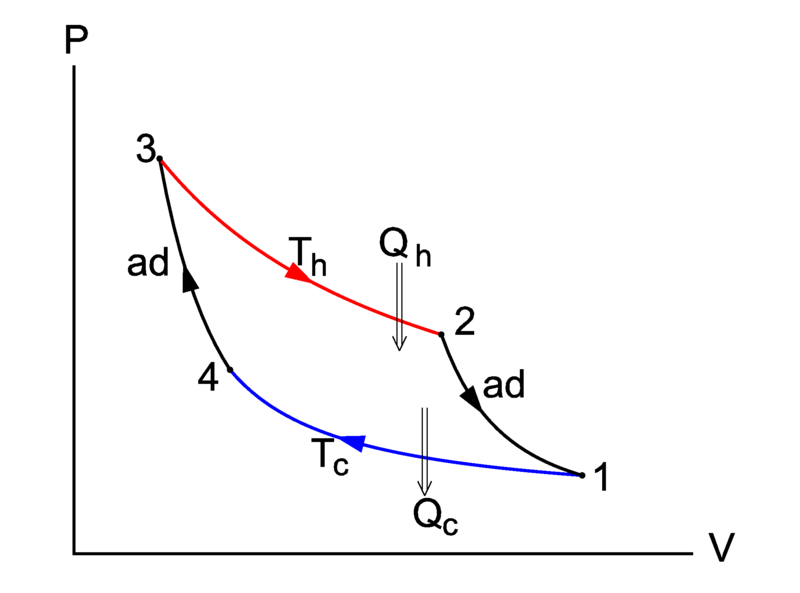
This cycle is continuous. As long as fuel and air are supplied, the turbine keeps running, producing a constant stream of power. The hot gases then exit the engine as exhaust.
What Are Gas Turbines Used For?
The power from a gas turbine is incredibly versatile. It can be used to turn a generator to make electricity, to spin a propeller or fan to move a vehicle, or to power a pump or compressor in an industrial setting.
Here are the most common applications:
| Application | How it Works | Example |
|---|---|---|
| Power Generation | The turbine's shaft is connected to a generator, which produces electricity. | Natural gas power plants that supply electricity to the grid. |
| Aviation | The expanding exhaust gases create thrust to push an aircraft forward. This is the basis of a jet engine. | Commercial airliners and military fighter jets. |
| Industrial | The turbine powers equipment like pumps and compressors. | Pumping natural gas through pipelines or compressing air for industrial processes. |
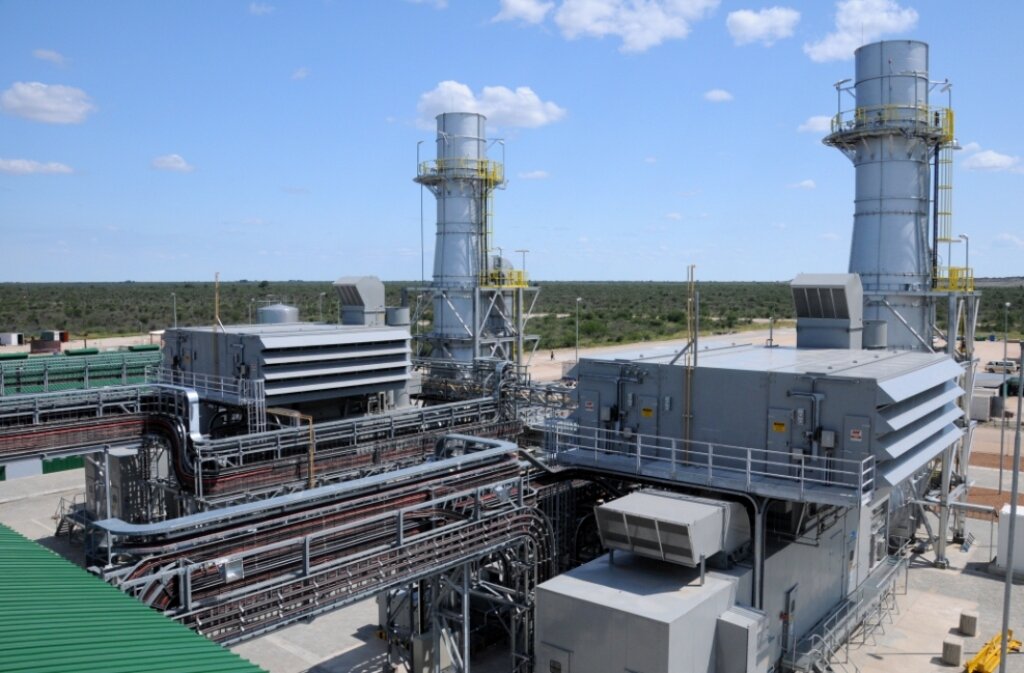
Because they can start up quickly and have a high power-to-weight ratio, gas turbines are ideal for these demanding jobs. From keeping the lights on to flying across continents, these engines are a cornerstone of modern technology.
Ready to check your understanding of how these powerful engines work?
What is the primary function of the compressor in a gas turbine?
The thermodynamic cycle that describes the continuous process in a gas turbine is called the Brayton cycle.
Now that you've grasped the fundamentals of gas turbines, you have a solid foundation for understanding how they operate in more complex systems.