Governmental Response to Energy Crises
Strategic Reserve Management
The Strategic Buffer
When a major hurricane knocks out Gulf Coast refineries or a geopolitical crisis chokes off global oil shipments, prices can skyrocket. To cushion against these shocks, the United States maintains the Strategic Petroleum Reserve (SPR), the world's largest government-owned stockpile of emergency crude oil. Stored in deep underground salt caverns along the Texas and Louisiana coastlines, these reserves act as a critical insurance policy against severe supply disruptions.
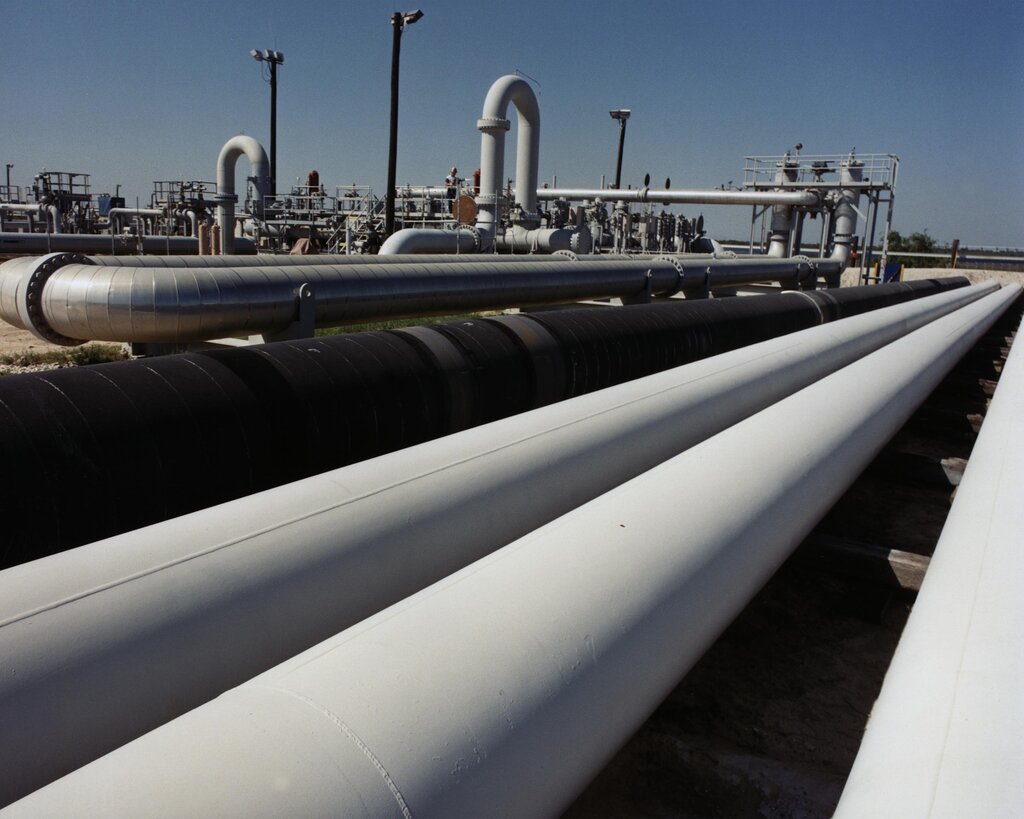
The existence of the SPR sends a powerful signal to the market. Traders know that in a true crisis, hundreds of millions of barrels of crude can be deployed to offset a shortfall. This potential supply helps temper panic-buying and speculation during periods of instability. The management of this reserve is a delicate balancing act between market intervention and long-term energy security.
Opening the Taps
Releasing oil from the SPR isn't a single-action event. The Department of Energy has several mechanisms to get crude into the market, each suited for different scenarios. The most significant are full-scale emergency drawdowns, often conducted in coordination with the (IEA) and its member countries to maximize global impact. In these situations, oil is sold through to the highest bidders.
A historic example was the 180-million-barrel release authorized in 2022 to counter the market disruption from the war in Ukraine. This was the largest drawdown in the reserve's history, designed to put a massive volume of crude onto the market quickly and directly combat rising prices.
For smaller, more localized disruptions, the SPR can utilize exchanges. In an exchange, the government lends oil to a private company, usually a refiner whose normal supply has been interrupted. The company then repays the loan by returning a slightly larger quantity of oil to the SPR at a later date. This provides immediate relief without permanently depleting the reserve.
The choice between a sale and an exchange depends on the nature of the disruption. A sale addresses a major, persistent drop in global supply, while an exchange fixes a temporary, logistical problem for a specific refiner.
Market Impact and Refilling
Large SPR releases directly influence global oil prices, particularly the relationship between the two main benchmarks: . Brent is the global benchmark, while West Texas Intermediate (WTI) reflects the U.S. market. Since SPR crude is of a quality similar to WTI, a massive release increases the relative supply of this type of oil. This can narrow the price difference, or spread, between Brent and WTI, making U.S. crude less discounted compared to international barrels.
However, releasing oil is only half the battle. A drawdown's effectiveness is limited by refining capacity. If refineries are already running at full tilt, they can't process the extra crude from the SPR. This can create a bottleneck where the emergency oil struggles to find a home, muting its impact on the price of refined products like gasoline and diesel.
Just as important as the release is the replenishment strategy. After a major drawdown, the government must refill the reserve. This process can be used as another policy tool. By announcing plans to buy back oil at a fixed price in the future, the government can effectively create a price floor in the market. This gives domestic producers confidence that prices won't crash, encouraging them to continue investing in production and maintaining a stable domestic supply. It's a strategic way to turn a crisis response into a long-term stability measure.
Ready to test your knowledge?
What is the primary purpose of the U.S. Strategic Petroleum Reserve (SPR)?
When the government lends oil from the SPR to a refiner whose supply has been interrupted, with the agreement that the company will return a slightly larger amount of oil later, this is known as a(n) ____.
Managing the SPR is a complex task that goes far beyond simple storage. It's an active tool of economic and energy policy, used to both calm panicked markets in a crisis and encourage stability during times of calm.