Generative UI Explained
Introduction to Generative UI
When Interfaces Build Themselves
Every time you use an app, a website, or even an ATM, you're interacting with a user interface, or UI. It's the collection of buttons, menus, and screens that lets you communicate with the machine. For decades, designing a UI was a meticulous, hands-on process. Designers would carefully plan every pixel, creating a single, static experience meant to work for everyone.
Think of it like a printed map. It's useful, but it's the same for every person who looks at it. It can't change the route if there's traffic, and it won't highlight landmarks you personally find interesting. Traditional UI design worked much the same way—a fixed, one-size-fits-all solution.
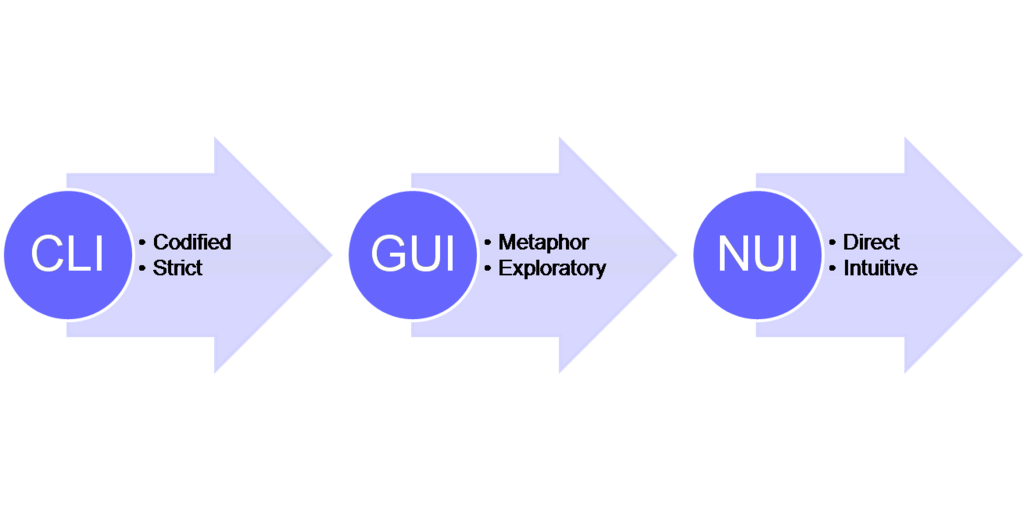
But technology has moved on. We now have artificial intelligence that can create art, write poetry, and compose music. It was only a matter of time before AI turned its attention to the digital spaces we navigate every day. This shift marks a move away from static, handcrafted interfaces toward something far more dynamic and intelligent.
The Rise of Generative UI
This new approach is called Generative UI. Instead of a designer creating a single, fixed interface, an AI system generates parts of the interface—or even the entire thing—on the fly. It's less like a printed map and more like a personal GPS that constantly updates based on your needs and surroundings.
Generative User Interfaces (UIs) are AI-powered interfaces that dynamically adapt to user interactions and contextual information.
What does this mean in practice? A generative UI might change its layout for a new user to make it easier to learn. It could rewrite button labels to be clearer based on what a user is trying to accomplish. It might even create a completely unique workflow for a specific task, like booking a flight, that is tailored perfectly to your preferences.
Why It Matters Now
The move toward generative UI is significant because it promises to make technology more personal, accessible, and efficient. Instead of forcing users to learn how an interface works, the interface can learn how the user works. This can reduce confusion, speed up tasks, and create a more natural interaction between human and machine.
For businesses, it opens up possibilities for creating highly personalized customer experiences. For developers and designers, it offers a powerful new tool to automate parts of the design process, allowing them to focus on bigger-picture problems. The static, one-size-fits-all approach is slowly being replaced by a world of intelligent, adaptive interfaces built just for you.
Time to check your understanding of these foundational concepts.
What is the primary difference between traditional UI and Generative UI?
The article compares a Generative UI to a personal GPS system. Why is this analogy used?
This is just the beginning of a major shift in how we design and interact with software. As AI capabilities grow, so will the potential for interfaces that are not just tools, but true collaborators.