Game Design Beyond Code
Introduction to Game Design
What Is a Game Designer?
A game designer is the architect of a game's experience. They dream up the core concepts, define the rules, and craft the challenges that make a game fun and compelling. Think of them as the visionary who decides what the player will do, feel, and discover from the moment they press start.
A game designer is a creative driver responsible for bringing a game to life.
This role is multifaceted. A designer isn't a programmer or an artist, though they work closely with both. Instead, they wear many hats:
- Visionary: They hold the high-level vision for the game. What is the emotional journey? What is the core fantasy?
- Architect: They design the structure of the game—the rules, scoring systems, and player objectives.
- Psychologist: They must understand what motivates players to keep playing.
- Storyteller: They weave narrative elements into the gameplay to create a cohesive and immersive world.

Thinking Like a Player
Great game design starts with empathy for the player. To create an experience someone will love, you first have to understand why people play games. The motivations are diverse. Some seek the thrill of competition and mastery. Others look for a means of escape into a rich fantasy world. Many play for the social connection, teaming up with friends to overcome challenges.
A designer's job is to tap into these motivations. They must constantly ask questions from the player's perspective: Is this fair? Is this interesting? Do I understand what I'm supposed to do next? What makes me want to come back?
Every decision, from the placement of an enemy to the color of a button, should be made with the player's experience in mind.
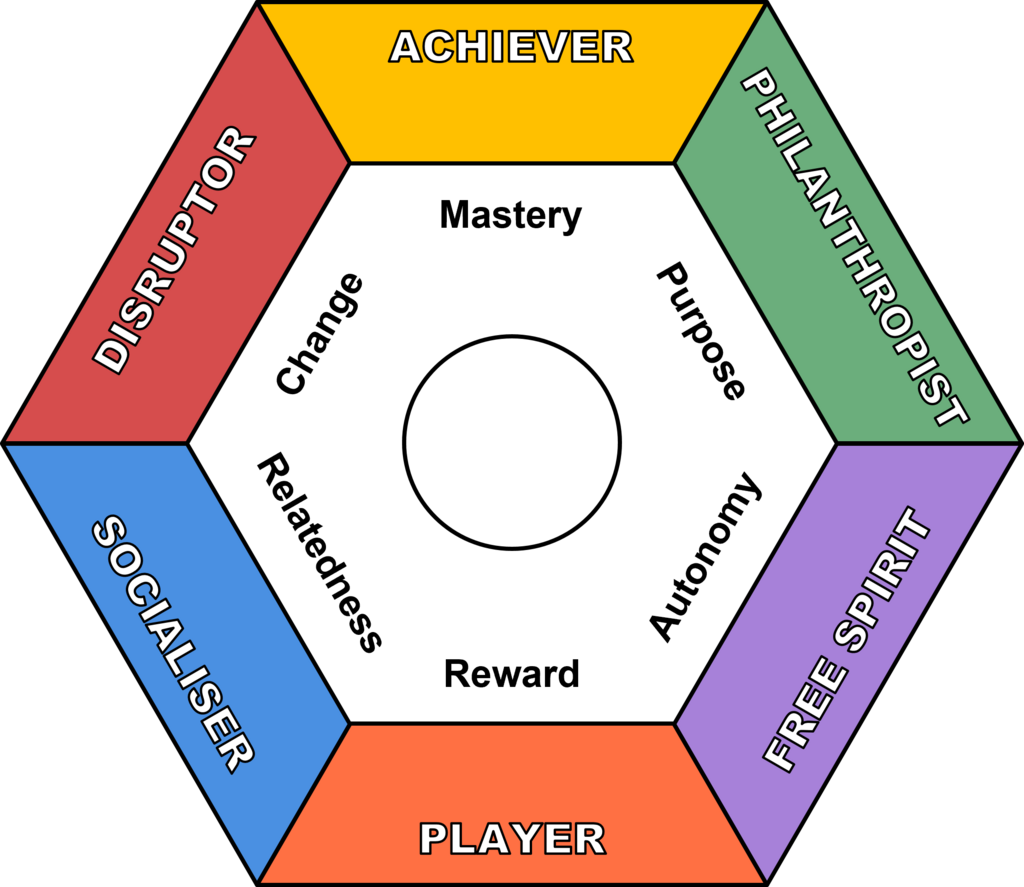
Understanding different types of players can help designers create more balanced and broadly appealing games. Frameworks exist to categorize players based on their primary motivations, whether it's achieving goals, socializing, exploring, or causing a bit of chaos.
From Idea to Concept
Game ideas can come from anywhere: a dream, a book, a historical event, or a simple "what if?" question. The initial spark is just the beginning. The real work is in shaping that raw idea into a solid game concept.
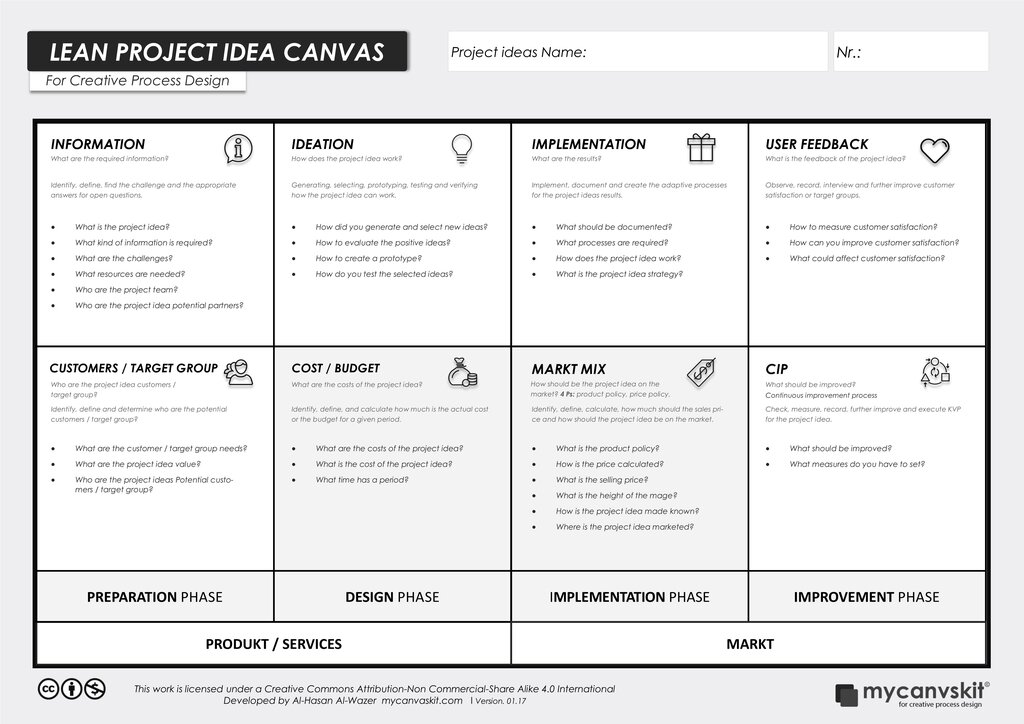
This process involves brainstorming and asking critical questions to define the core of the game. What is the one thing players will do over and over? This is often called the "core gameplay loop." What is the setting? Who is the protagonist? What is the ultimate goal?
Designers often create a short document, sometimes called a concept doc or one-pager, to outline these foundational ideas. This document serves as a north star for the project, communicating the vision to the rest of the team.
The Magic of Engagement
The ultimate goal of a game designer is to create an engaging experience. Engagement is the feeling of being completely absorbed in an activity. It's what makes time fly by when you're playing a great game.
Several factors contribute to engagement:
- Clear Goals: Players always know what they are trying to achieve, whether it's rescuing a princess or getting the highest score.
- Meaningful Choices: The player's decisions have a noticeable impact on the game's outcome.
- Consistent Feedback: The game constantly lets the player know how they're doing through points, sounds, animations, or story progression.
- Balanced Challenge: The game is not so easy that it's boring, but not so hard that it's frustrating. It should challenge the player's skills just enough to keep them wanting to improve.
An engaged player is one who feels a sense of purpose, competence, and autonomy within the world you've built.
This foundation sets the stage for everything else. By focusing on the player, refining the core concept, and building for engagement, a game designer lays the groundwork for a memorable experience.
Ready to check your understanding? Let's see what you've learned about the fundamentals of game design.
What is the primary role of a game designer?
According to the text, great game design begins with...
As you can see, a game designer's role is complex and creative, blending psychology with structural design to craft the interactive worlds we love to explore.