French Pronunciation Essentials
French Sound System
The Sounds of French
Reading French can feel tricky because the spelling doesn't always match the sound. A single letter can have multiple pronunciations, and sometimes, letters aren't pronounced at all. This is where the International Phonetic Alphabet, or IPA, comes in handy. It’s a system where every symbol stands for exactly one sound. Learning the IPA for French gives you a precise map for pronunciation.
Think of the IPA as a universal cheat sheet for sounds, helping you see how a word is spoken, not just how it's written.
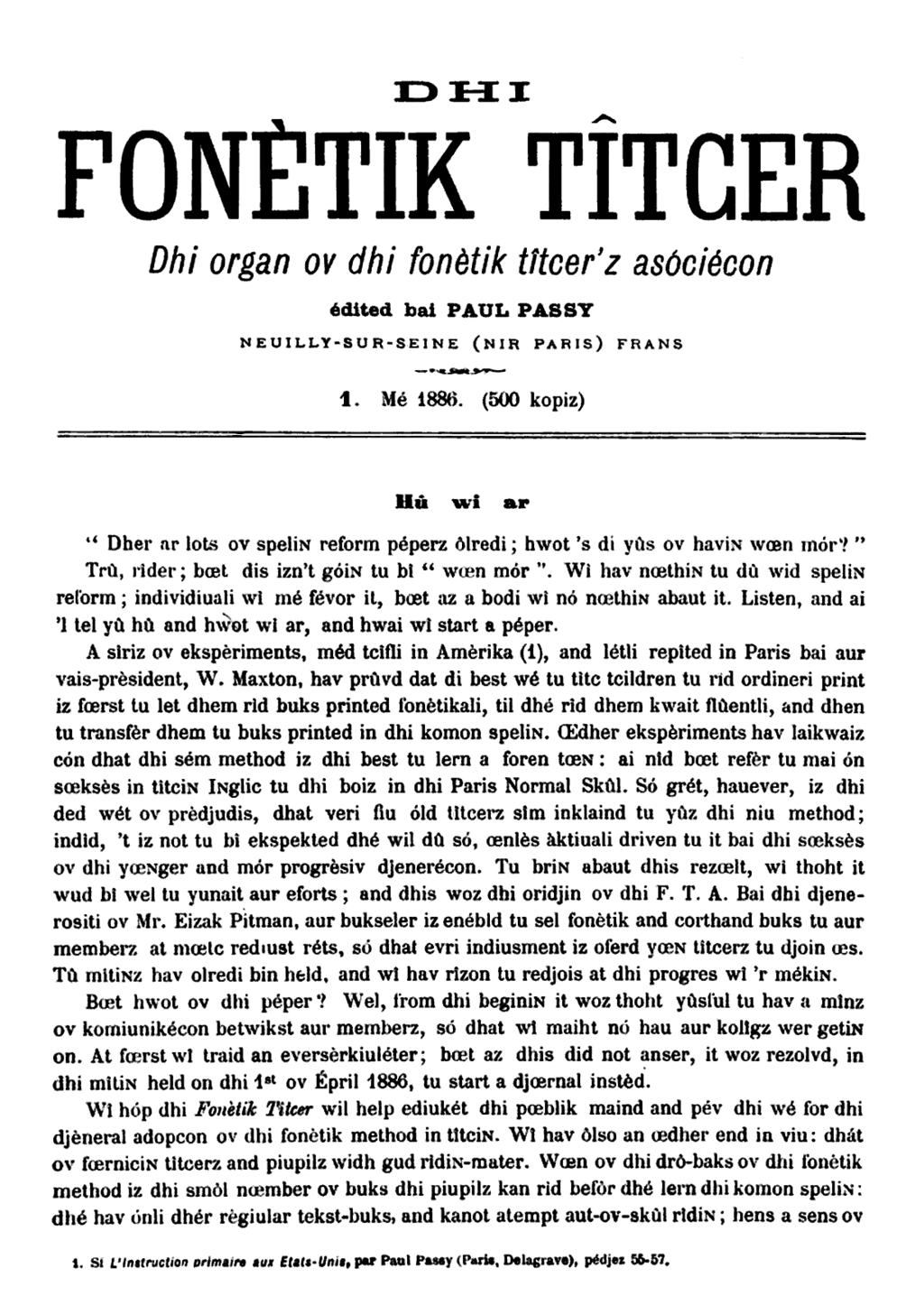
By understanding these symbols, you can confidently pronounce any French word you see in a dictionary, even if you’ve never heard it spoken aloud.
French vs. English Sounds
While French and English share the same alphabet, their sound inventories are quite different. Some sounds overlap, but many are unique to French. The biggest hurdles for English speakers are often the vowels, especially the nasal ones, and a few tricky consonants like the French 'r'.
For example, French doesn't have the 'th' sounds found in 'think' or 'that'. Similarly, English lacks the rich, throaty 'r' or the distinct nasal vowels of French.
Let's look at a few examples.
| Sound Type | French Example (IPA) | English Equivalent (IPA) | Key Difference |
|---|---|---|---|
| Nasal Vowel | bon /bɔ̃/ | bone /boʊn/ | French vowel is nasalized; no hard 'n' sound. |
| 'U' Sound | tu /ty/ | too /tu/ | French /y/ sound is made with rounded lips, like whistling. |
| 'R' Sound | rue /ʁy/ | roo /ru/ | French /ʁ/ is pronounced in the back of the throat. |
Making the Sounds
To speak French clearly, you need to learn how to shape your mouth to produce its specific sounds. Let's break down the key categories.
French Vowels
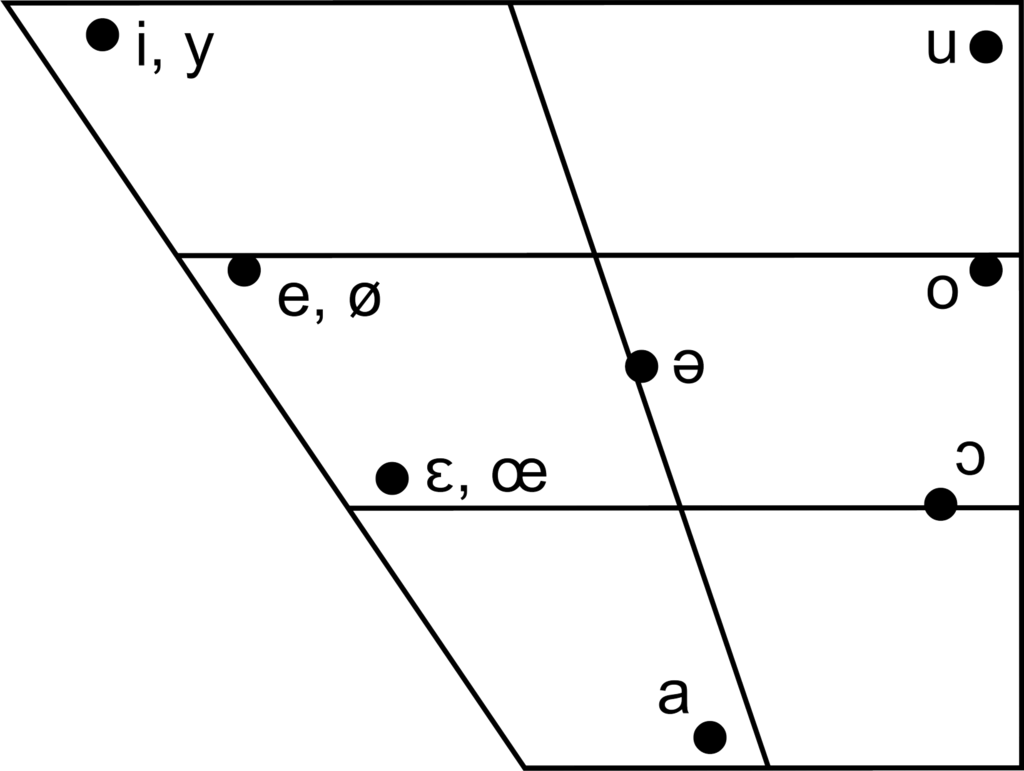
French vowels are crisp and pure; they don't glide into other sounds like many English vowels do (compare the 'o' in the French gros and the English grow).
The most distinct feature is nasalization. Nasal vowels are produced when air passes through both the nose and the mouth. You can feel a slight vibration in your nose when you make them correctly. The four main nasal sounds are:
- /ɑ̃/ as in maman (mom)
- /ɔ̃/ as in bon (good)
- /ɛ̃/ as in vin (wine)
- /œ̃/ as in brun (brown)
French Consonants
Many French consonants are similar to English, but a few stand out. The French 'r' (IPA: /ʁ/) is not rolled with the tongue like in Spanish. Instead, it's produced at the back of the throat, almost like a light gargle.
Another key feature is that final consonants are often silent. For instance, in petit (small), the 't' is silent. The 's' in vous (you) and the 'd' in grand (big) are also silent. This is a fundamental rule of French pronunciation.
The Role of Accents
French accents, or diacritics, are not just for decoration. They are essential because they can change a letter's pronunciation or distinguish between words that are otherwise spelled the same.
| Accent | Name | Example | Function |
|---|---|---|---|
| ´ | accent aigu | école | Only appears on 'e'. Pronounced like 'ay' in 'say'. |
| ` | accent grave | père, là | Makes 'e' sound like 'eh'. Can also distinguish words (e.g., ou vs où). |
| ˆ | accent circonflexe | forêt | Lengthens the vowel sound. Often marks a historical silent 's'. |
| ¸ | cédille | ça | Only used on 'c' before 'a', 'o', or 'u'. Makes it sound like /s/. |
| ¨ | tréma | Noël | Placed over the second of two vowels to show they are pronounced separately. |
Syllable Structure
French has a very different rhythm from English. English is a stress-timed language, meaning syllables can have different lengths. French, on the other hand, is syllable-timed. Each syllable is given roughly the same amount of time, creating a more even, machine-gun-like cadence.
Most French syllables follow a simple consonant-vowel (CV) pattern. They tend to end in a vowel sound (an open syllable), unlike English, which has many syllables ending in consonants. For example, the word américain is broken down as a-mé-ri-cain, with each part flowing smoothly into the next.
This rhythmic, open-syllable structure is a key reason why French sounds so musical and fluid.
Understanding these core elements of the French sound system is the first major step toward clear and confident pronunciation.
Why is the International Phonetic Alphabet (IPA) a valuable tool for learning French pronunciation?
What is the defining characteristic of a French nasal vowel, such as the /ɔ̃/ sound in the word bon?