Freelance Contract Essentials
Understanding Freelance Contracts
Your Professional Shield
Think of a freelance contract as a roadmap for your project. It’s a written agreement that lays out the expectations, responsibilities, and rules for both you and your client. Its main purpose isn't to start a fight; it's to prevent one. By getting everything down in writing, you create clarity and build a foundation of trust from the very beginning.
Whether it's a multi-month project or a small one-day gig, a contract protects everyone involved. It ensures you get paid for your work and that the client gets what they paid for. It’s not about mistrust—it’s about professionalism.
A contract is one of the most significant safeguards for any freelance business, no matter how small the project may seem or how reliable the client has been in the past.
Anatomy of a Contract
A good freelance contract doesn’t need to be filled with complicated legal jargon. It just needs to be clear. At its core, it should answer the who, what, when, where, and how of your project.
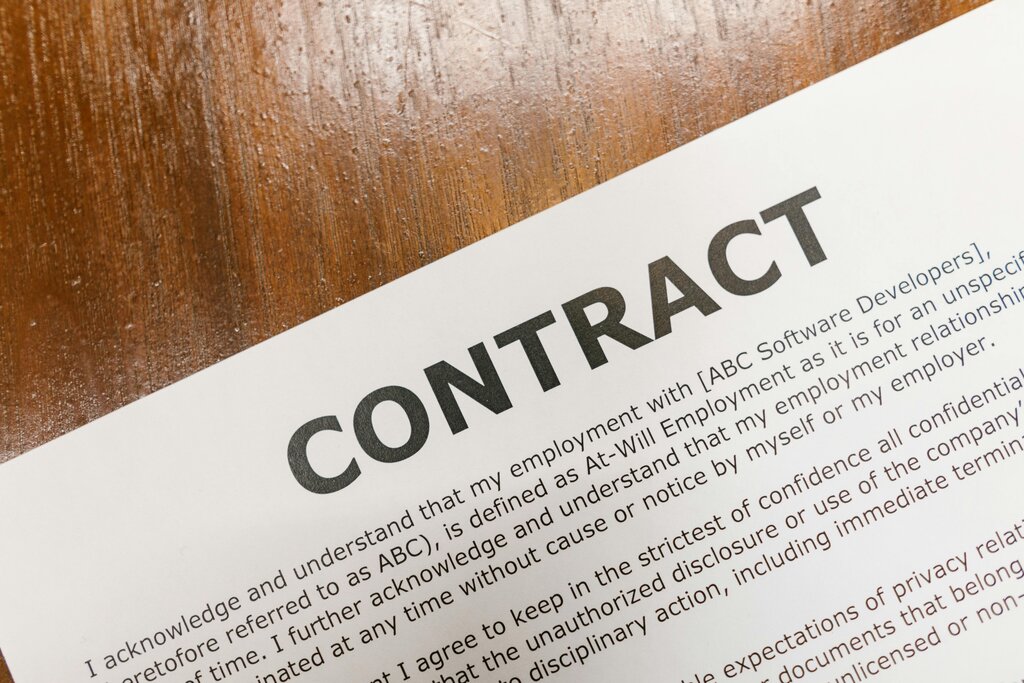
Here are the essential pieces you'll find in almost every freelance agreement:
-
Scope of Work: This is the most critical part. It details exactly what you will (and won’t) do. What are the specific tasks? What are the final deliverables? Be as specific as possible to avoid misunderstandings later.
-
Payment Terms: This section outlines the money. It should state your rate, the total project cost, and the payment schedule. Will you take a deposit upfront? Will you be paid at certain milestones or all at once at the end? It should also mention how you’ll be paid (e.g., bank transfer, online platform) and what happens if a payment is late.
-
Deadlines: Clear deadlines for both you and the client are crucial. This includes the final delivery date and any key milestones along the way. It can also specify timelines for the client to provide feedback or necessary materials.
-
Intellectual Property (IP) Ownership: Who owns the work when it’s done? Typically, the client owns the final deliverables once they’ve paid in full. This clause makes that clear. It also allows you to retain the right to show the work in your portfolio.
-
Termination Clause: This explains how either you or the client can end the contract if things aren't working out. It should outline the process, required notice, and how any final payments will be handled.
Avoiding Common Pitfalls
Even a simple, plain-language contract can be legally enforceable. The key is that both parties agree to the terms. A signed document is best, but even an agreement over email can often hold up.
One of the biggest mistakes freelancers make is relying on verbal agreements. A handshake deal is easily forgotten or misinterpreted. Without a written record, you have little to fall back on if a disagreement arises.
Another major pitfall is vague language. If the scope of work says "design a website," what does that really mean? Two pages or twenty? Does it include writing the copy? Ambiguity leads to "scope creep," where the project slowly grows larger without any increase in pay.
Being clear and specific in your contract isn't about being difficult. It's about being a professional who values their work and respects their client's investment. A solid contract is the first step in a successful freelance relationship.
What is the primary purpose of a freelance contract?
Which section of a freelance contract would detail the specific tasks you are expected to perform and the final deliverables?