FP&A Excellence in Sports and Entertainment
Industry Overview
Where the Money Comes From
The sports and entertainment industry looks glamorous from the outside, but behind the scenes, it's a complex business with diverse income sources. The most obvious way organizations make money is through direct sales to fans.
Think ticket sales for games and concerts, or merchandise like jerseys and t-shirts. These are the lifeblood of many teams and venues, creating a direct connection between fan enthusiasm and revenue.
But the real money often comes from less visible sources. Broadcasting and media rights are a massive revenue stream. Television networks and streaming services pay billions for the exclusive rights to air games and events. This steady, contracted income provides financial stability, insulating teams and leagues from the ups and downs of ticket sales.
Sponsorships are another key pillar. Companies pay to have their logos plastered on stadiums, jerseys, and event banners. They want to associate their brand with the excitement and passion of sports and entertainment. This goes beyond simple advertising; it's about embedding a brand into the fan experience.
Finally, there's licensing. This involves selling the rights to use a team's name, logo, or players' likenesses on other products, from video games and trading cards to bedsheets and lunchboxes. It allows the brand to reach a wider audience while generating income with relatively low overhead.
The High Cost of Entertainment
Generating revenue is only half the battle. The costs associated with running a sports team or producing a major event are enormous and often inflexible.
The single biggest expense, especially in professional sports, is talent. Player and artist salaries can consume more than half of a team's revenue. These contracts are often guaranteed for multiple years, meaning the team is on the hook for that money regardless of performance or ticket sales.
Event production is another huge cost center. This includes everything from venue rental and security to staffing and logistics. For a traveling concert tour, these costs multiply with each new city. Marketing is also a major expense. Teams and promoters spend heavily on advertising to fill seats and attract viewers.
Finally, there's the cost of the house itself. Maintaining a stadium, arena, or theater is a constant drain on resources. Utilities, repairs, and upgrades for these massive facilities add up quickly.
| Cost Category | Example | Financial Characteristic |
|---|---|---|
| Player/Artist Salaries | Multi-year contracts for top athletes | High, often fixed |
| Event Production | Security, staffing, lighting, sound | Variable per event |
| Marketing & Promotion | TV commercials, social media ads | Discretionary spending |
| Facility Maintenance | Stadium upkeep, repairs, utilities | Ongoing, significant |
More Than Just a Game
The financial impact of the sports and entertainment industry extends far beyond the organizations themselves. A major league team or a large annual festival acts as an economic engine for its host city.
When a big event comes to town, it creates a ripple effect. Fans travel from out of town, booking hotel rooms, eating at local restaurants, and shopping in local stores. This influx of cash supports jobs and generates tax revenue for the city. The event itself also creates direct employment, from ticket takers and concession stand workers to security guards and cleaning crews.
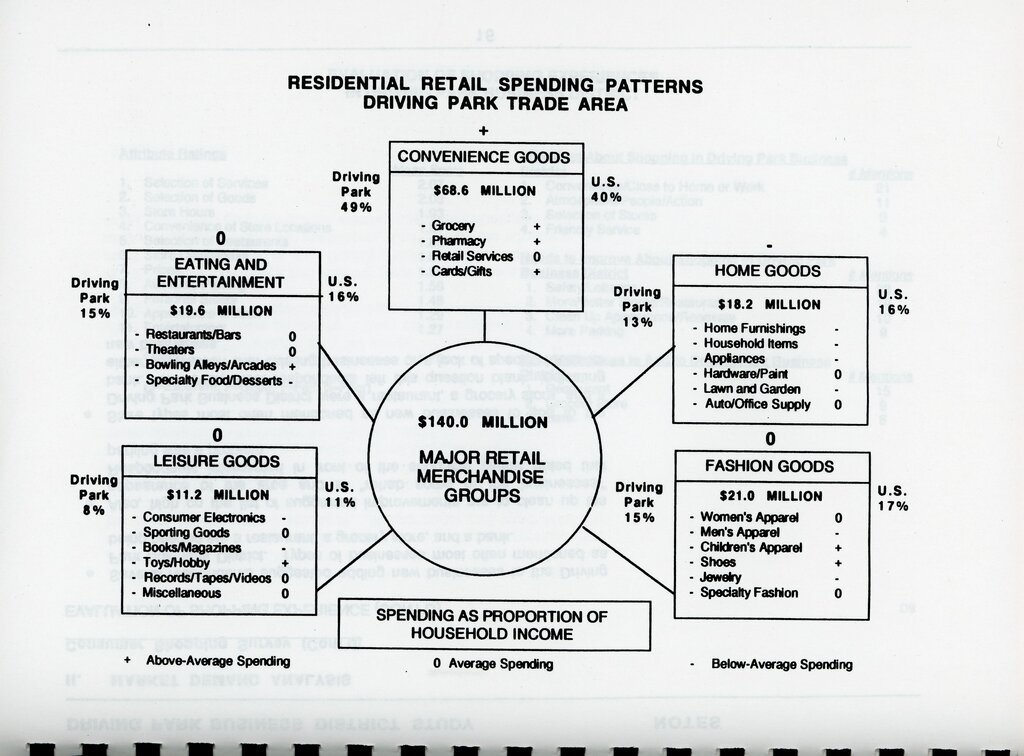
This economic boost is a key reason why cities often compete to attract and retain professional sports teams, sometimes offering public financing for new stadiums. They're betting that the long-term economic benefits will outweigh the upfront investment.
Challenges and Opportunities
The industry is constantly evolving, facing new financial hurdles and uncovering new opportunities for growth. One of the biggest challenges is the intense competition for people's attention. With endless entertainment options available at our fingertips, getting fans to commit their time and money is harder than ever.
High fixed costs, especially player salaries, create financial pressure. A few losing seasons or a star player's injury can have serious financial consequences. The industry is also vulnerable to economic downturns, as tickets and merchandise are often seen as luxury purchases that people cut back on when money is tight.
However, there are also exciting opportunities. The rise of digital streaming has created new ways to distribute content and reach a global audience. Teams and leagues are using data analytics to better understand their fans, allowing for more effective marketing and personalized experiences.
New frontiers like esports and sports betting are opening up entirely new revenue streams, while international expansion continues to bring new fans and markets into the fold. The businesses that thrive will be those that can adapt to changing fan behaviors while carefully managing their complex financial structures.
Time for a quick review of the key ideas we've covered.
What is typically the single largest expense for a professional sports team?
Which revenue stream provides the most financial stability for sports leagues by offering steady, contracted income?
Understanding these core financial pillars is the first step in analyzing the business side of the games and shows we love.