Foundations of Research Methods
Introduction to Research
What Is Research?
At its heart, research is a process of asking questions and finding answers. It's a structured way of exploring a topic to discover new facts, test ideas, or solve problems. We do research to build on what we already know, challenge old assumptions, and make sense of the world around us.
At its core, research is a systematic investigation into a subject in order to establish facts, gather information, and draw conclusions.
Think of it as building a house. You don't just start throwing bricks together. You need a plan, the right materials, and a solid foundation. Research provides that framework for building knowledge. Whether it's a scientist in a lab, a historian digging through archives, or a company trying to understand its customers, they're all using a research process to arrive at reliable conclusions.

The Scientific Approach
While research can happen in any field, scientific research has a few key characteristics that make it a powerful tool for understanding the world. It’s not about wearing a lab coat; it's about a commitment to a certain way of thinking.
Scientific research is systematic. It follows a clear, organized plan rather than relying on guesswork or intuition. Researchers start with a question, form a hypothesis, and then gather and analyze data in a structured way.
Good research is also empirical, meaning it is based on direct observation and evidence, not just theory or belief. It's objective, striving to be free of the researcher's personal biases. Finally, it should be replicable. This means another researcher should be able to follow the same steps and get similar results, which confirms the findings are reliable.
Two Flavors of Research
Not all research has the same goal. We can generally sort it into two main categories: basic and applied.
Basic research is all about expanding our knowledge. It's driven by curiosity and the desire to understand fundamental principles. A scientist studying how black holes form isn't trying to build a black hole in their lab; they're trying to understand the universe.
Applied research, on the other hand, is designed to solve a specific, practical problem. A team developing a more efficient solar panel is doing applied research. They are taking what we know about physics (thanks to basic research) and using it to create a useful product.
Neither type is better than the other. In fact, they feed into each other. Discoveries from basic research often lay the groundwork for the breakthroughs of applied research years later.
| Feature | Basic Research | Applied Research |
|---|---|---|
| Goal | Increase understanding of fundamental concepts. | Solve a specific, real-world problem. |
| Context | Often theoretical and abstract. | Practical and tangible. |
| Example | Studying the structure of a plant cell. | Developing a new crop that resists disease. |
Playing by the Rules
Because research often involves people, animals, and sensitive information, it must be guided by strong ethical principles. These aren't just suggestions; they are strict rules that protect everyone involved and ensure the results are trustworthy.
One of the cornerstones of ethical research is informed consent. This means that people who participate in a study must be told exactly what the research involves, including any potential risks, so they can make a free and informed decision about whether to take part.
Other key principles include:
- Confidentiality: Protecting the identity and personal information of participants.
- Minimizing Harm: Ensuring that the research does not cause physical or psychological harm to participants.
- Honesty: Reporting findings truthfully and not fabricating or misrepresenting data.
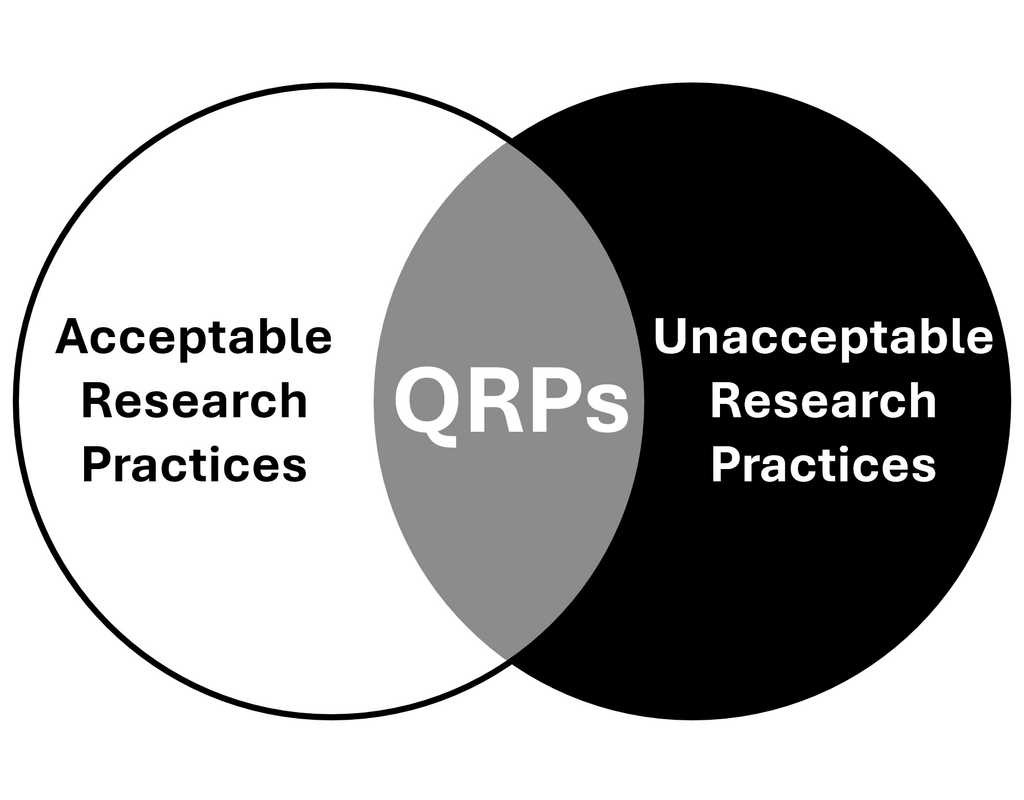
Upholding these standards is crucial for the credibility of the entire research process. Without them, the knowledge we build would rest on a shaky foundation.
Now, let's test your understanding of these foundational ideas.
What is the primary purpose of research as described in the text?
A study is designed so that another scientist can perform the exact same experiment to see if they get similar results. This principle is known as:
Understanding these core principles—what research is, how it works, and the ethics that guide it—is the first step toward asking meaningful questions and finding reliable answers.