Foundations of Data Engineering
Introduction to Data Engineering
The Unsung Heroes of Data
Every day, we generate a staggering amount of raw data. Every click, every purchase, and every sensor reading adds to a massive, messy pile of information. On its own, this data is like a warehouse full of jumbled parts. It has potential, but it's not useful yet.
Data engineering is the discipline of turning that chaos into order. It's the essential, often invisible work of building systems that collect, clean, and organize raw data, making it ready for others to analyze and use.
Think of data engineering as the behind-the-scenes hero that makes sense of the massive amounts of data modern companies deal with every day.
Without data engineering, there would be no data science, no artificial intelligence, and no insightful business reports. It’s the foundational layer that makes the entire world of data analytics possible. Data engineers build the roads and bridges that allow data to travel from its raw state to a place where it can provide real value.
The Data Engineer's Toolkit
So, what does a data engineer actually do? Their role is a mix of software engineering, data architecture, and problem-solving. They are the builders of the data world.
Key responsibilities include:
-
Building Data Pipelines: This is the core of their work. A data pipeline is like an automated assembly line for data. It moves information from its source, transforms it along the way, and delivers it to a destination.
-
Designing Data Models: They decide how data should be structured and organized. A good data model makes it easier for analysts to find what they need and for systems to run efficiently.
-
Ensuring Data Quality: Data engineers are gatekeepers. They implement checks and balances to ensure the data is accurate, consistent, and trustworthy. Bad data leads to bad decisions.
-
Managing Data Storage: They choose, set up, and maintain the systems where data lives. This could be anything from a traditional database to a massive data lake.
-
Enabling Data Access: They make sure that once the data is ready, the right people and applications can get to it easily and securely.
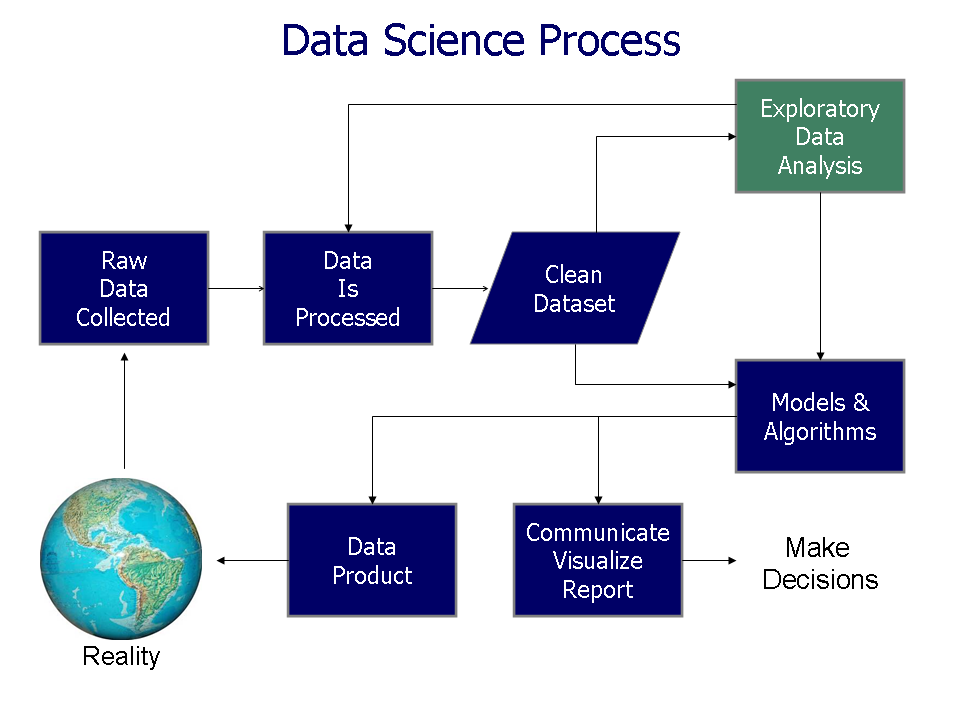
A Pipeline's Journey
A data pipeline is the path data takes from its origin to its final, usable state. While the details can get complex, the basic journey has three main stages.
- Data Sources: This is where the data comes from. It could be user activity on a website, transactions from a sales system, readings from IoT sensors, or data from third-party partners. The data is often raw and unstructured at this stage.
- Processing & Transformation: Here, the raw data gets cleaned up. Errors are fixed, missing values are handled, and the data is reshaped into a standard format. This is the stage where raw ingredients are turned into something ready for cooking.
- Data Storage: Finally, the clean, processed data is loaded into a storage system. This makes it available for data scientists, analysts, and applications to use for reports, machine learning models, and other tasks.
Quality and Governance
Building pipelines is only half the battle. If the data flowing through them is unreliable, the entire system is useless. This is where data quality and governance come in.
The guiding principle is simple: garbage in, garbage out. No amount of fancy analysis can fix underlying problems with the data itself.
Data quality focuses on making sure the data is fit for use. This involves asking questions like:
- Is it accurate? Do the values reflect reality?
- Is it complete? Are there missing records or fields?
- Is it consistent? Is the same piece of information represented the same way across different systems?
- Is it timely? Is the data fresh enough to be useful?
Data governance provides the rules of the road. It's a framework of policies and standards that defines who is responsible for the data, who can access it, and how it must be protected. Good governance ensures that data is managed securely, ethically, and in compliance with regulations like GDPR or CCPA.
Treat data quality as an engineering and governance task.
Together, a focus on quality and governance builds trust. When people trust the data, they can confidently use it to make important decisions.
What is the primary function of data engineering?
Which of the following represents the correct order of the three main stages in a data pipeline?