Foundations of Artificial Intelligence
Introduction to Artificial Intelligence
What Is Artificial Intelligence?
Artificial intelligence, or AI, is a field of computer science focused on creating systems that can perform tasks that typically require human intelligence. This includes things like learning from experience, solving problems, understanding language, and recognizing patterns in complex data.
Think of it as teaching a machine not just to follow instructions, but to think and adapt. Instead of programming a computer for every single possibility, AI allows a system to figure things out on its own. It's the difference between giving someone a fish and teaching them how to fish.
Artificial Intelligence
noun
The theory and development of computer systems able to perform tasks that normally require human intelligence, such as visual perception, speech recognition, decision-making, and translation between languages.
A Quick History
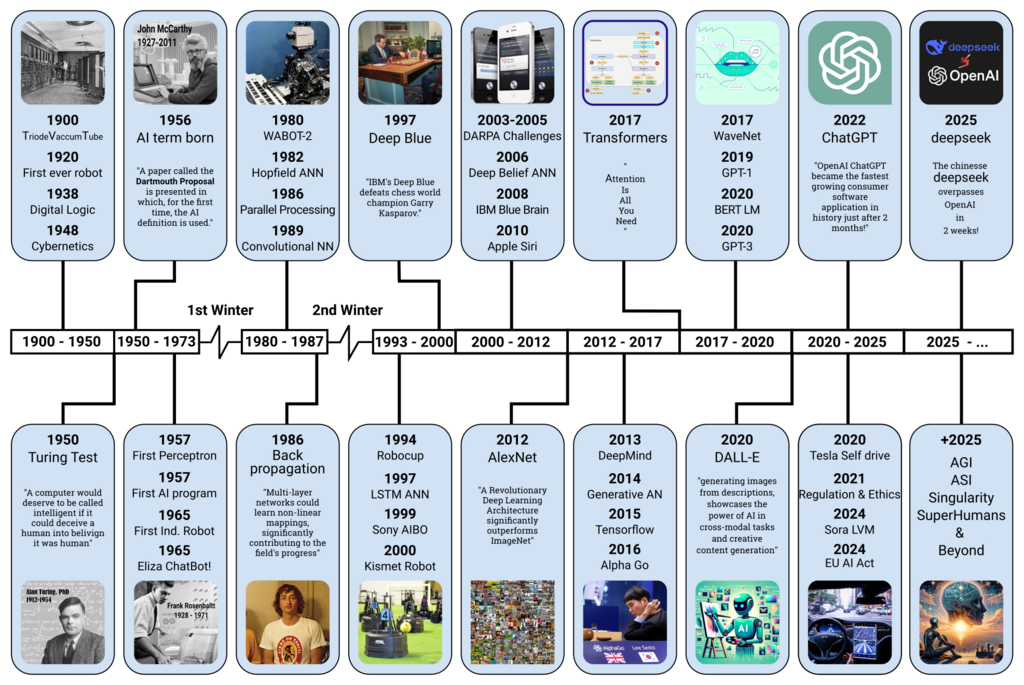
The idea of intelligent machines has been around for centuries, but the formal field of AI research began in the summer of 1956 at a workshop at Dartmouth College. Early researchers were incredibly optimistic, predicting that machines with human-like intelligence were just a few decades away.
Progress wasn't always a straight line. The field went through periods of high excitement and funding, followed by “AI winters” when progress stalled and interest faded. But recent breakthroughs, fueled by massive amounts of data and powerful computers, have brought AI out of the lab and into our daily lives.
Three Kinds of AI
Not all AI is created equal. It's helpful to think about AI in three categories based on its capabilities.
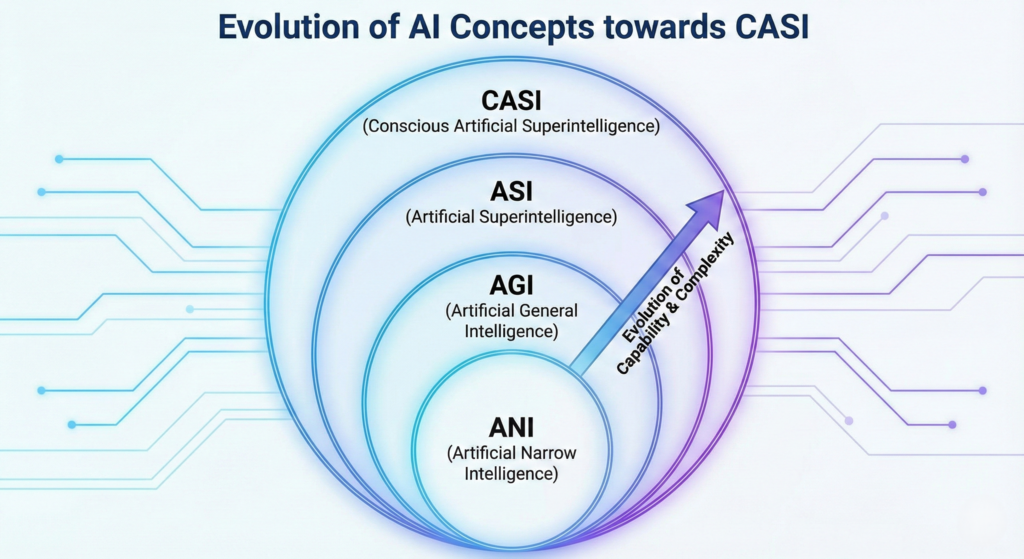
Artificial Narrow Intelligence (ANI) is the only type of AI we have successfully built so far. It's designed to perform a single, specific task. The AI that recommends movies, translates languages, or plays chess is ANI. It can be incredibly good at its one job, but it can't operate outside of that narrow domain.
The next two types are still in the realm of science fiction, but they are the long-term goals for many researchers.
Artificial General Intelligence (AGI) is a machine with the ability to understand, learn, and apply knowledge in a way that is indistinguishable from a human. An AGI could switch between tasks as different as composing a symphony, filing taxes, and having a meaningful conversation.
Artificial Superintelligence (ASI) is a step beyond AGI. It refers to an intellect that is much smarter than the best human brains in practically every field, including scientific creativity, general wisdom, and social skills.
The Bigger Picture
As AI becomes more powerful and widespread, it brings up important questions for society. On one hand, AI has the potential to solve some of our biggest challenges, from curing diseases to combating climate change. It can automate dangerous or tedious jobs and create new opportunities for creativity and discovery.
On the other hand, we have to consider the downsides. AI systems learn from data, and if that data reflects human biases, the AI can perpetuate and even amplify those biases. There are also concerns about privacy, as AI systems often require vast amounts of personal information to function. The impact on the job market is another major topic of discussion.

Navigating this new landscape requires careful thought. Developing AI responsibly means building systems that are fair, transparent, and accountable. It's not just about what the technology can do, but what it should do.
The goal isn't just to create smart machines, but to use that intelligence to augment our own and build a better future.
Now, let's review what you've learned about the fundamentals of AI.
What is the fundamental goal of Artificial Intelligence?
The formal field of AI research is considered to have begun at a workshop in 1956 at which institution?
Understanding these core concepts is the first step in appreciating the power and complexity of artificial intelligence.