Football Refereeing Fundamentals
Introduction to Football Refereeing
The Unseen Player
On any football pitch, you'll see two teams competing. But there's another team out there, often dressed in black or bright yellow, that doesn't try to score goals. This is the officiating team, led by the referee. Their job isn't to win, but to ensure the game is played fairly, safely, and according to the rules.
The referee is the final authority on the field. They enforce the Laws of the Game, the official rulebook for association football. Think of them as a combination of a judge and a traffic controller. They watch every move, make instant decisions, and keep the game moving smoothly from the first whistle to the last.
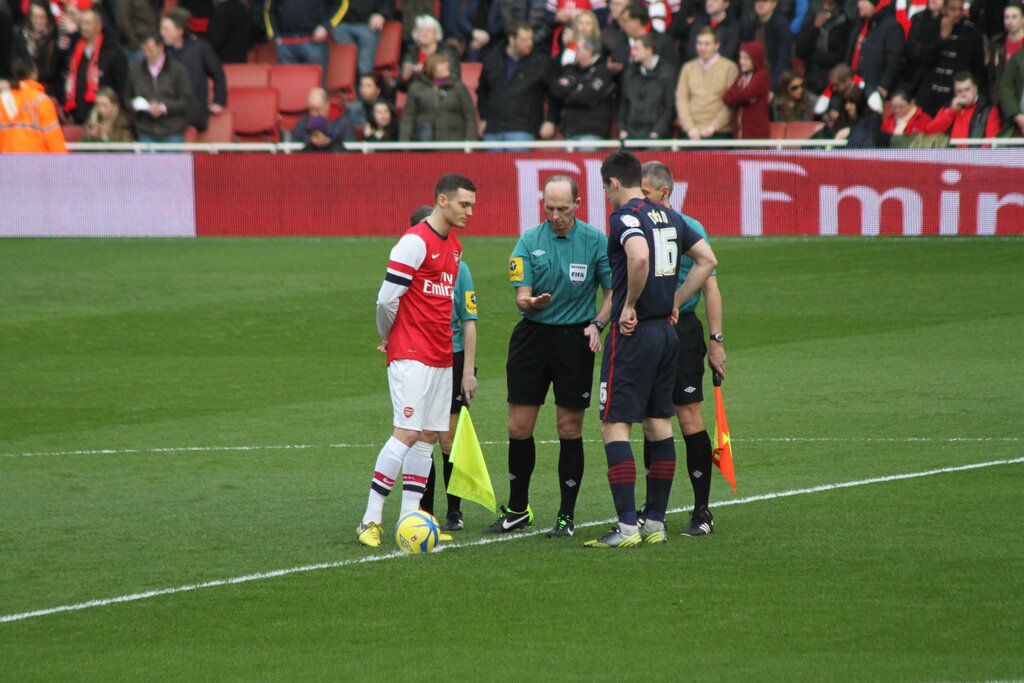
Their responsibilities are broad. They track the game's time, stop play for fouls, and restart it correctly. They are the only person on the field who can officially award a goal, call a penalty, or send a player off.
Flow and Safety
A referee's most critical duty is protecting the players. Football is a physical sport, but there are clear rules about what constitutes a fair challenge and what is dangerous play. The referee's job is to spot these dangerous moments and intervene to prevent injuries.
At the same time, a good referee knows when not to blow the whistle. Constant interruptions can ruin the excitement of a match. This is where the concept of 'advantage' comes in. If a team is fouled but is still in a good attacking position, the referee might let play continue. It's a delicate balancing act: enforce the rules without unnecessarily disrupting the natural rhythm of the game.
The best referees are barely noticed. They manage the game so effectively that the focus remains on the players and the ball.
The Unbiased Eye
To do their job well, a referee must be completely impartial. They can't have a favorite team on the day. Every decision must be based on the rules and what they see on the field, not on which jersey a player is wearing. This fairness is the bedrock of the sport. Without it, the result of a match would be meaningless.
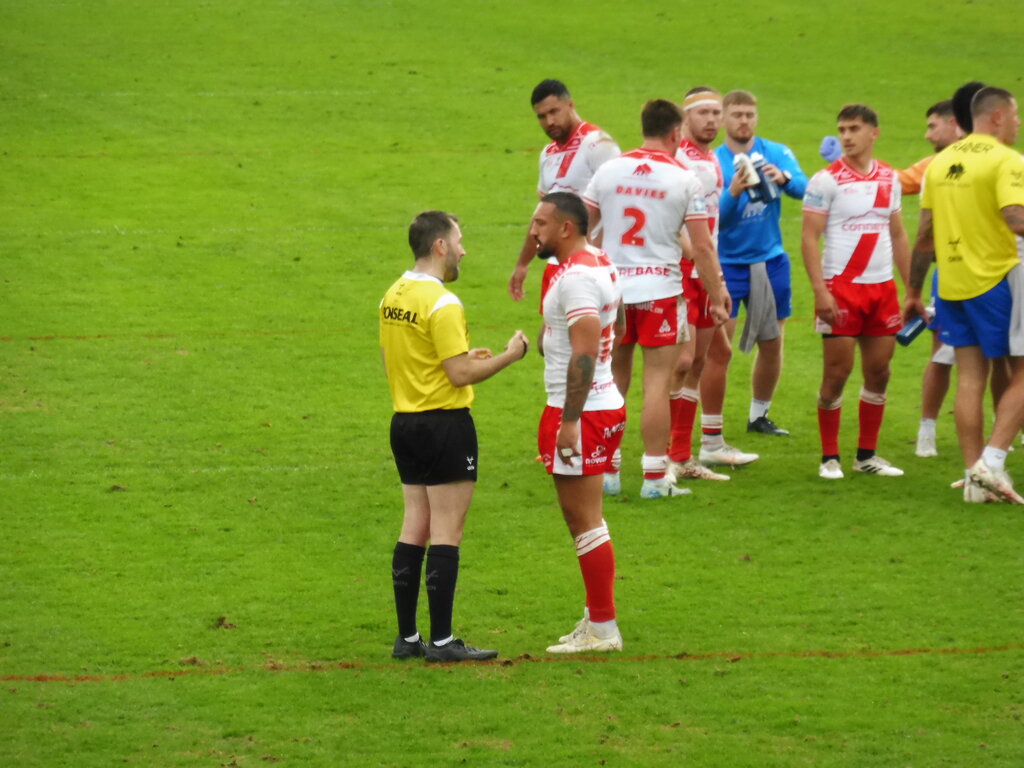
Referees are under immense pressure. Players, coaches, and thousands of passionate fans might disagree with their calls. They need incredible focus and confidence to make tough, split-second decisions and stand by them. They communicate with players to explain their decisions, manage tempers, and maintain respect on the pitch.
Now, let's test your understanding of the referee's role.
What is the primary and most critical duty of a football referee during a match?
A referee sees a defender foul an attacker, but the attacker keeps the ball and has a clear shot at the goal. What is the referee most likely to do?
A referee's influence is subtle but essential. They are the guardians of fairness, ensuring that skill and strategy—not rule-breaking—decide the winner.