Fly Fishing Fundamentals
Fly Fishing Equipment
The Right Tools for the Job
Fly fishing relies on a balanced system of gear. Each piece, from the rod to the tiny fly, has a specific job. Understanding how they work together is the first step to becoming a successful fly angler. Let's look at the essential components.
Rods and Reels
The fly rod is the heart of your setup. Unlike conventional fishing where the lure's weight pulls the line, in fly fishing, the weight of the line carries the nearly weightless fly to its target. Rods are categorized by length, weight, and action.
The most important thing is to match the weight of your rod, reel, and line. An unbalanced setup is difficult to cast.
Weight is a number from 1 to 14 indicating the rod's power. A 1-weight is for tiny brook trout, while a 14-weight can handle marlin. A 5-weight is the most popular choice for a versatile, all-around trout and panfish setup.
Length is usually around 9 feet for general-purpose trout fishing. This offers a great balance of casting distance and line control. Shorter rods (under 8 feet) are useful on small, overgrown streams, while longer rods help on large rivers.
Action describes how much the rod flexes. Fast-action rods bend mostly at the tip, generating high line speed for long casts and windy days. Slow-action rods bend deep into the blank, offering delicate presentations for easily spooked fish.
| Rod Weight | Common Target Species |
|---|---|
| 1-3 wt | Small trout, panfish in small streams |
| 4-6 wt | General purpose trout, bass, panfish |
| 7-9 wt | Larger bass, salmon, steelhead, light saltwater |
| 10-14 wt | Pike, musky, large saltwater species |
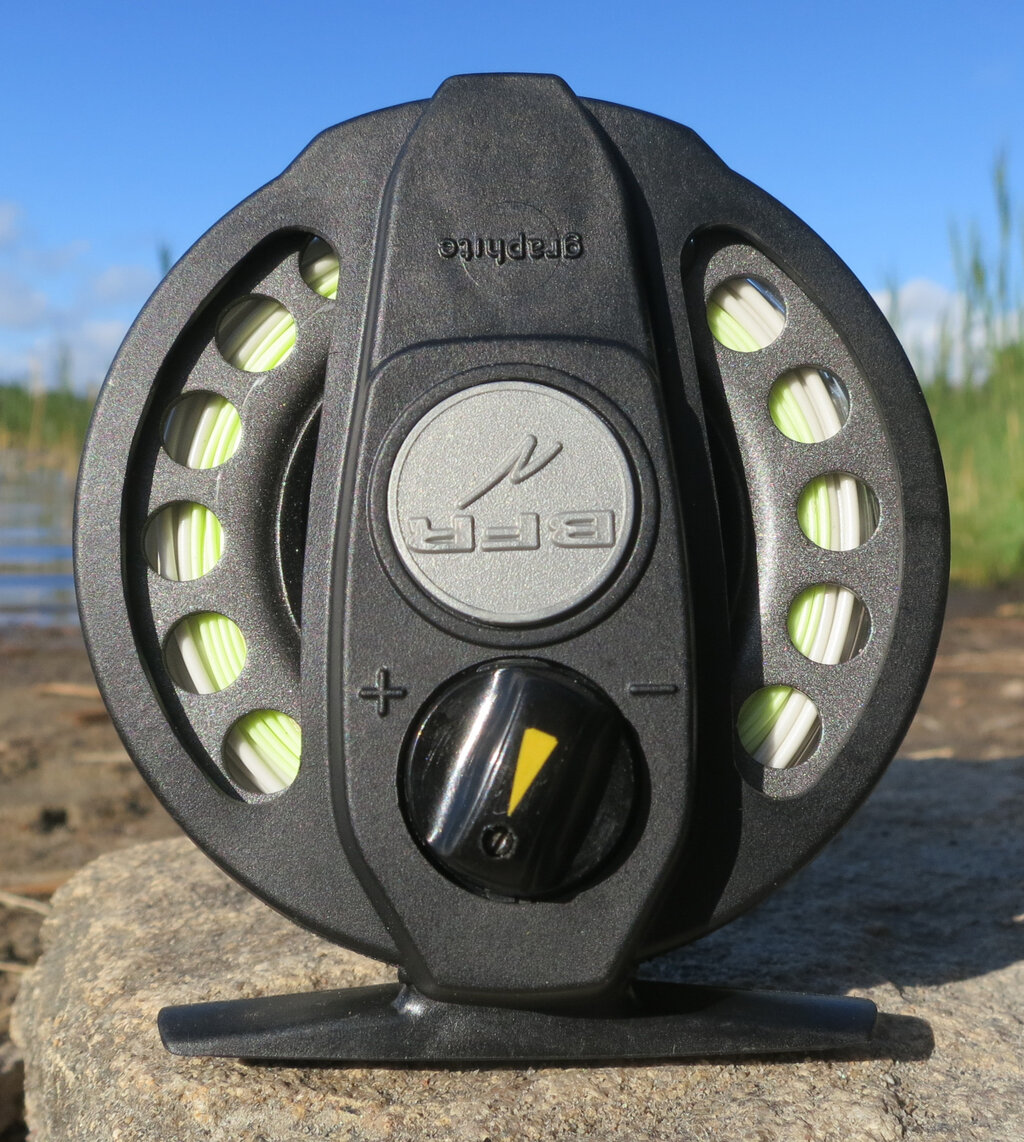
The fly reel's main job in most freshwater fishing is simple: it stores your line and balances the weight of the rod. For smaller fish like trout, you rarely use the reel to fight the fish. Instead, you strip line in by hand. For larger, more powerful fish, a quality drag system becomes critical. The drag applies adjustable pressure to a running fish, preventing it from breaking your line.
The Line System
The line is what makes fly casting possible. It's a thick, weighted PVC-coated cord that you cast, not the lure. This line connects to the reel on one end and tapers down to the fly on the other through a series of thinner lines.
A modern fly line is a complex tool. The most common type is a Weight-Forward (WF) taper, which has a heavier front section to help with casting distance. The weight of the line (e.g., WF-5-F) must match your rod weight. The final letter indicates its property in water: F for floating, S for sinking, or I for intermediate.
A leader is a single, tapered piece of nylon or fluorocarbon, typically 7 to 9 feet long. It connects the thick, colored fly line to the nearly invisible tippet. Its tapered design helps transfer the energy of the cast smoothly down to the fly for a gentle landing.
Finally, the tippet is the last, thinnest piece of line that you tie your fly to. It's usually 2 to 4 feet long. Tippet is sold on spools and is rated by its diameter, using an "X" number. A lower X number (like 3X) is thicker and stronger than a higher X number (like 6X). You choose the size based on the size of your fly and how easily the fish might be spooked.
Choosing a Fly
Flies are the lures of this sport, designed to imitate a fish's natural food source. There are thousands of patterns, but they generally fall into three categories.
Dry Flies
noun
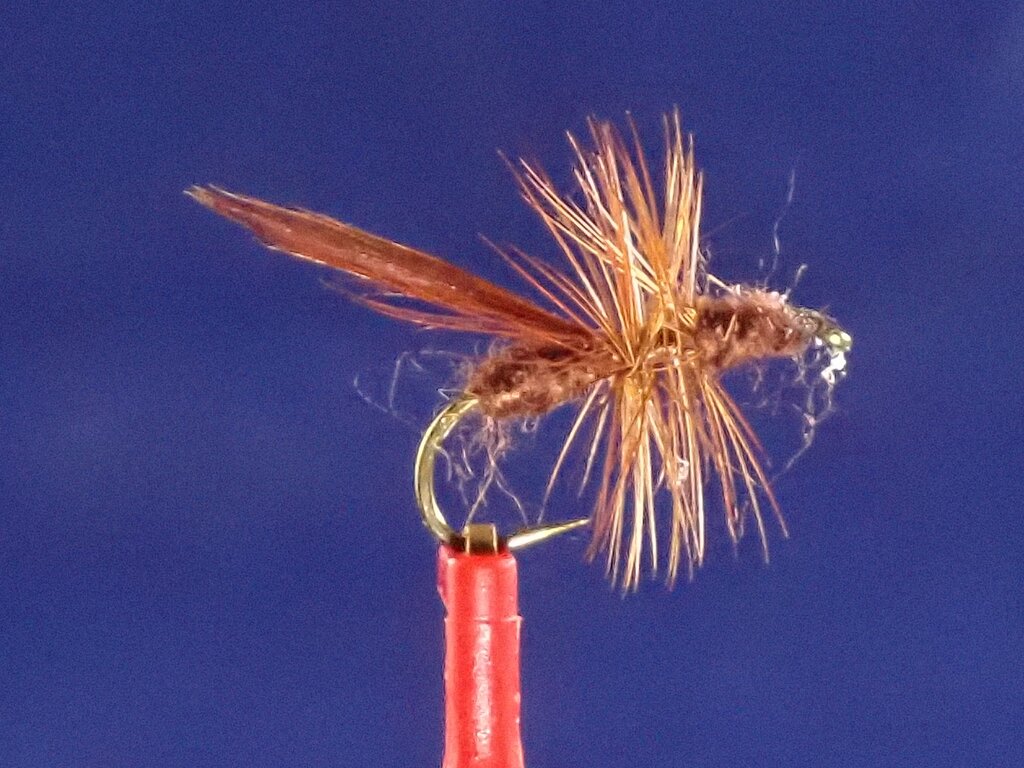
Imitate adult insects floating on the water's surface. This is often considered classic fly fishing, as you can see the fish rise to take the fly.
Nymphs
noun
Imitate the underwater, larval stage of aquatic insects. Fish consume the vast majority of their food subsurface, making nymphing a very effective technique.
Streamers
noun
Imitate larger food items like baitfish, leeches, or crayfish. Casting and stripping streamers often provokes aggressive strikes from predatory fish.
Finally, a quick note on care. Always rinse your rod, reel, and line with fresh water after use, especially in saltwater. Let everything dry completely before storing it. Proper care ensures your equipment will last for many seasons.
For catch and release fishing, you need gear that reduces stress to the fish and increases the chance of survival after being released.
Now that you know the gear, let's test your knowledge.
What is the primary function of the fly line in fly fishing?
You are selecting a tippet for presenting a tiny dry fly to easily spooked trout. Which of the following would be the best choice?
With the right gear, properly assembled and cared for, you're ready to learn the next step: how to cast.