Flipper Zero Explained
Introduction to Flipper Zero
The All-in-One Tech Tool
Imagine a pocket-sized device that can interact with the wireless world around you. That's the Flipper Zero. It's often called a Swiss Army knife for tech enthusiasts, security researchers, and anyone curious about hardware. It's designed to be a portable multi-tool for exploring and interacting with various digital and electronic systems.
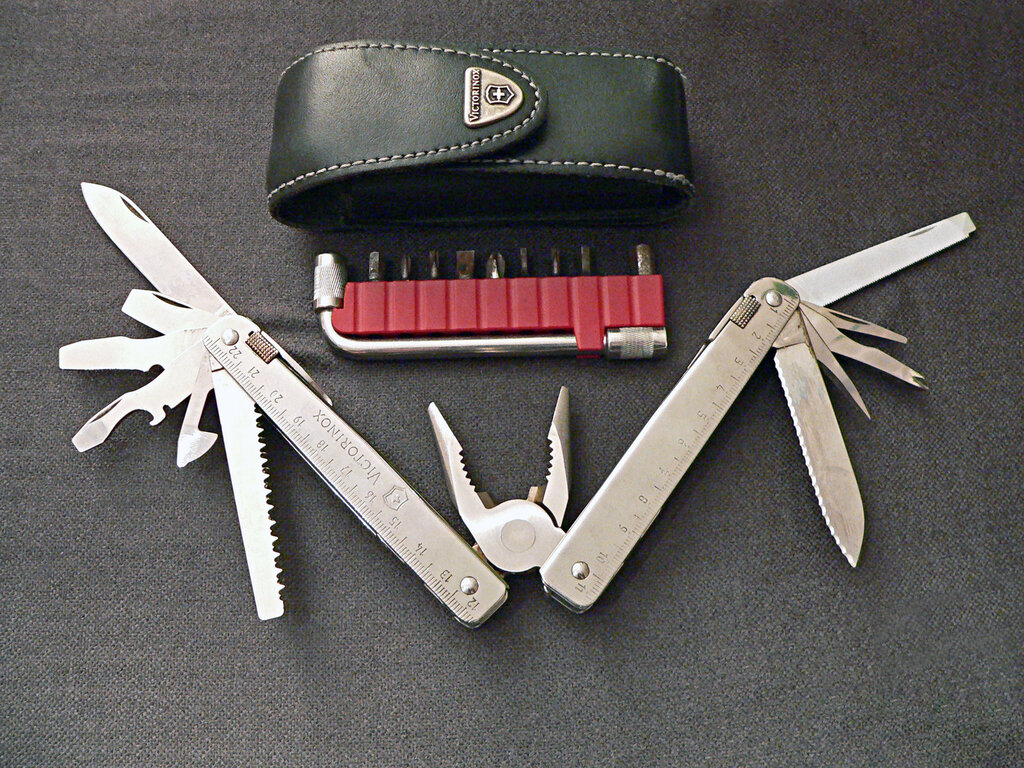
The main idea behind the Flipper is to make security research and hardware hacking accessible and fun. Instead of needing a bag full of specialized equipment, you have one compact, game-like device. It's built for exploration and learning, allowing you to understand the invisible signals that power many of our modern gadgets.
A Look at Its Capabilities
The Flipper Zero comes packed with a variety of antennas and sensors. Each one is designed to interact with a different type of wireless communication. Here are its core features:
| Feature | What It Does |
|---|---|
| Sub-GHz Radio | Communicates with simple wireless devices |
| RFID | Reads low-frequency access cards and key fobs |
| NFC | Interacts with modern smart cards and phones |
| Infrared | Works like a universal remote for TVs or AC units |
| GPIO Pins | Connects to other electronics for custom projects |
Let's break these down. The Sub-GHz radio is what lets the Flipper communicate with things like garage door openers, remote-controlled outlets, and some weather stations. RFID is the technology used in older office key cards or the chips in your pets. NFC, a higher-frequency version, is what powers tap-to-pay on your phone and modern transit cards.
The infrared port can learn signals from your existing remotes, turning the Flipper into a single controller for all your devices. Finally, the GPIO (General Purpose Input/Output) pins are a gateway to the world of electronics, allowing you to connect the Flipper to microcontrollers like Raspberry Pi or Arduino to build custom gadgets.
Common Use Cases
So, what do people actually do with a Flipper Zero? Its uses range from playful to professional.
A security professional might use it to test a company's building access system by trying to read and emulate employee ID cards. This is part of a process called penetration testing, where you find security weaknesses before malicious actors do.
On the hobbyist side, you might use it to consolidate all your remote controls into one device. Or you could use the Sub-GHz feature to analyze the signals from your wireless doorbell to understand how it works. Makers and hardware developers use the GPIO pins to interface with other hardware, using the Flipper as a controller or testing tool for their own electronic projects.
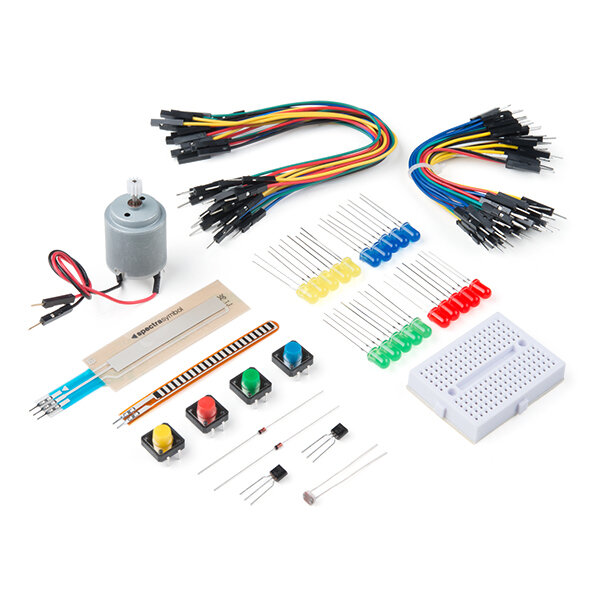
Ultimately, the Flipper Zero is a tool for curiosity. It opens up the world of hardware and radio frequencies, making complex technology something you can hold, explore, and learn from.
The Flipper Zero is often described as a 'Swiss Army knife' for what kind of user?
Which feature would you use to interact with an older office key card or a pet's microchip?