Fire Extinguisher Essentials
Fire Basics
The Anatomy of a Flame
Fire seems magical, but it's just chemistry. For a fire to start and keep burning, it needs three key ingredients. Think of it as a simple recipe. If you take away any one ingredient, the recipe fails and the fire goes out. This concept is famously known as the fire triangle.
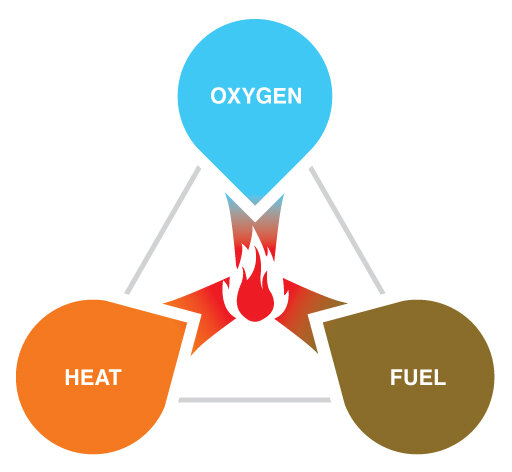
Let's break down each side of the triangle.
First up is fuel. This is simply anything that can burn. Wood, paper, gasoline, and natural gas are all common examples. The fuel is the substance that the fire consumes.
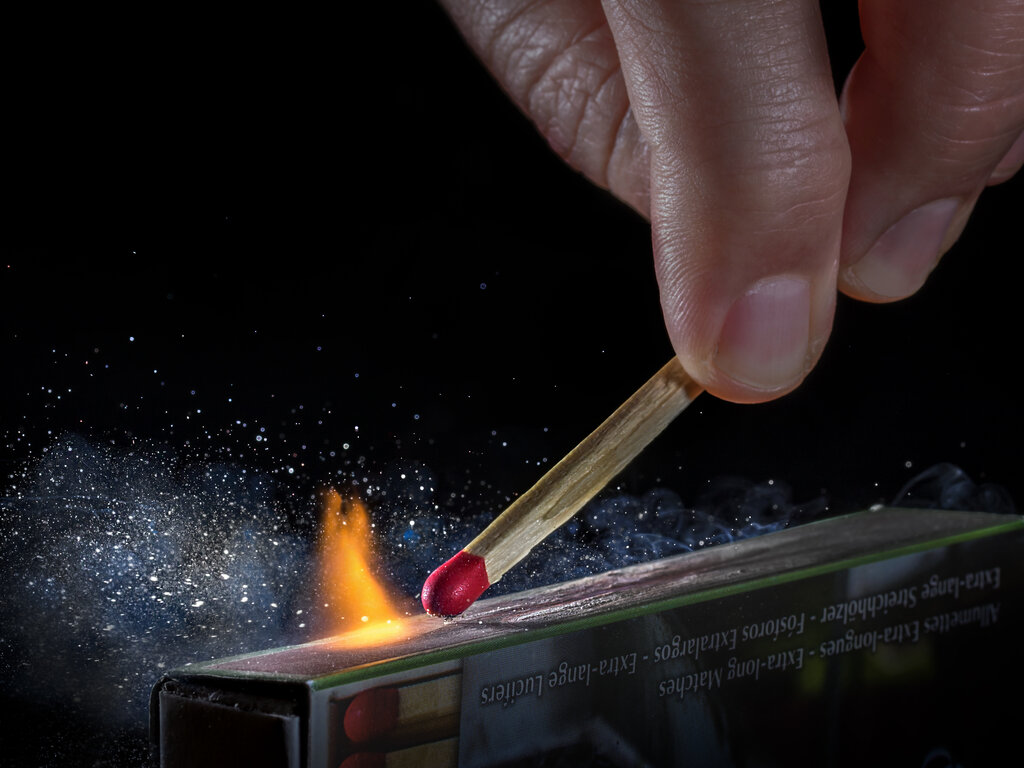
Next, you need heat. Every fuel has an ignition temperature, which is the minimum temperature it needs to reach to catch fire. A spark from a faulty wire, the flame from a match, or even focused sunlight can provide enough heat to get things started.
The final ingredient is oxygen. Fire needs to breathe, just like we do. The air around us is about 21% oxygen, and most fires require at least 16% to burn. Without a sufficient supply of this oxidizing agent, a fire will suffocate and die out.
More Than a Triangle
The fire triangle is a great starting point, but it's not the whole story. Scientists later added a fourth element to the model, turning the triangle into a three-dimensional pyramid, or tetrahedron. This fourth element is the chemical chain reaction.
Once heat, fuel, and oxygen combine to start a fire, they trigger a self-sustaining chemical reaction. The fire produces its own heat, which ignites more fuel, which reacts with more oxygen, and so on. This chain reaction is what allows the fire to grow and spread.
Oxygen, heat, and fuel are frequently referred to as the “fire triangle.” Add in the fourth element, the chemical reaction, and you actually have a fire “tetrahedron.” The important thing to remember is: take any of these four things away, and you will not have a fire or the fire will be extinguished.
This principle is the foundation of all firefighting. Spraying water on a fire removes heat. Covering a grease fire with a lid cuts off the oxygen. Clearing brush to create a firebreak removes the fuel.
Common Causes
Understanding the fire tetrahedron makes it easy to see how common household fires start. It's always a case of the four elements coming together unintentionally.
- Cooking: Leaving a hot pan unattended on the stove. The burner is the heat, the cooking oil is the fuel, and the air provides the oxygen. A boil-over can easily ignite.
- Electrical Systems: A frayed cord or overloaded circuit can create sparks, providing the heat to ignite nearby fuel like curtains or a rug.
- Heating: Placing flammable objects too close to a space heater or fireplace. The heater provides the constant heat, the object is the fuel, and the reaction is just waiting to happen.
In every case, the fire triangle was completed, and a chemical chain reaction took over. Knowing these fundamentals is the first step in preventing fires and staying safe.
Let's check your understanding of these core concepts.
What are the three essential components of the fire triangle?
What is the fourth element that modern fire science added to the fire triangle, creating the fire tetrahedron?
By understanding what a fire needs to survive, you're better equipped to prevent one from ever starting.