Field Sport Surfaces Explained
Surface Types
The Ground Beneath the Game
The playing surface is the foundation of every field sport, but it's more complex than just a patch of green. Different sports have different needs, and the ground they're played on is engineered to meet them. Let's explore the three main types of surfaces: natural grass, artificial turf, and hybrid systems.
Natural Grass
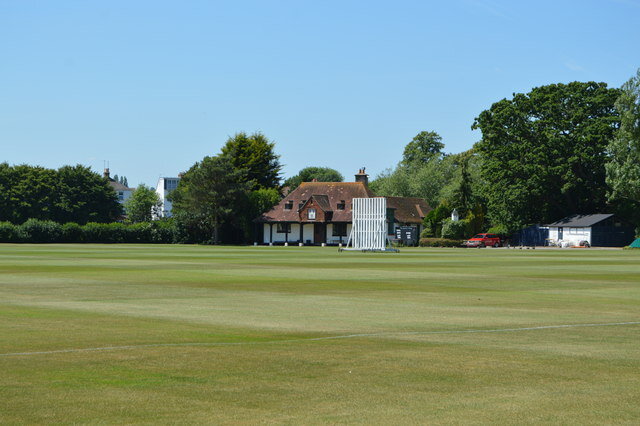
This is the traditional playing surface. A natural grass field is a living ecosystem, typically composed of a sand or soil base with specific species of grass grown on top. The most common types are hardy, fast-repairing grasses like Bermuda grass, Kentucky bluegrass, or ryegrass.
The characteristics of a grass field can change dramatically based on weather, usage, and maintenance. It offers natural cushioning, but can become muddy and torn up in the rain or hard and dry in a drought. No two grass fields are exactly alike, which adds a variable element to the game.
Artificial Turf
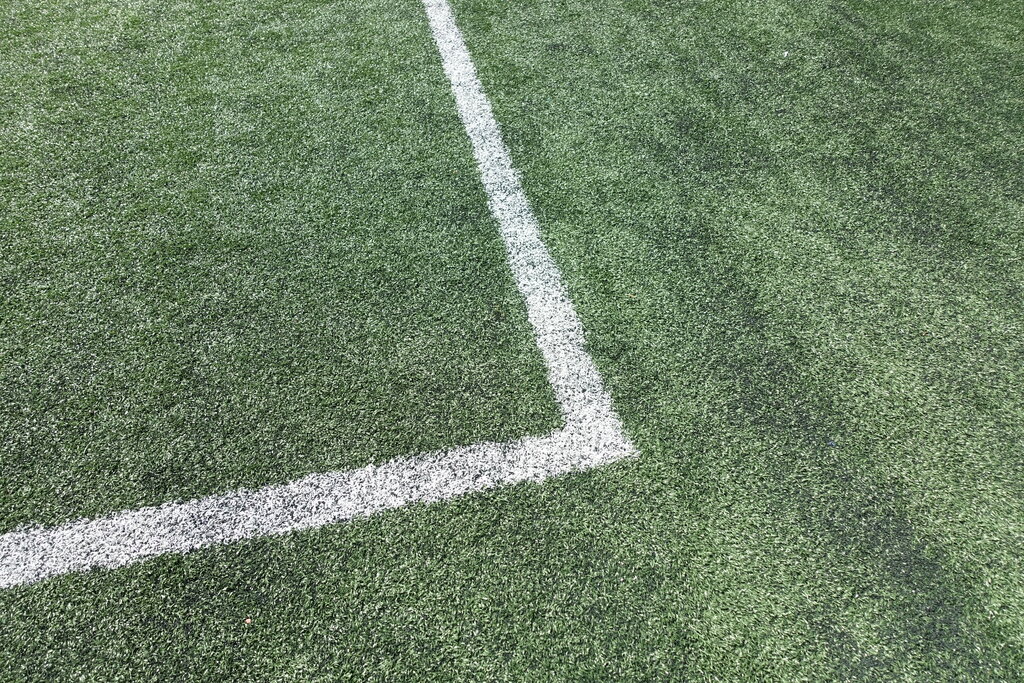
First introduced in the 1960s, artificial turf was designed to be a low-maintenance, all-weather alternative to grass. Modern turf systems consist of a few key layers.
First, there are the synthetic fibers that look like grass blades, usually made from polyethylene. These are woven into a backing material, which is then laid over a drainage layer. Finally, an "infill" of materials like granulated rubber, sand, or cork is spread between the fibers. This infill provides cushioning, helps keep the blades upright, and mimics the feel of soil.
Hybrid Systems
Hybrid surfaces offer a blend of both worlds. They are essentially natural grass fields reinforced with synthetic fibers. The artificial fibers, making up about 5% of the total surface, are injected into the ground or stitched into the backing.
This creates a stronger, more stable playing surface. The natural grass roots intertwine with the synthetic fibers, anchoring the turf and making it far more resistant to wear and tear. The result is a field that feels and plays like natural grass but has the durability closer to that of artificial turf. Many top-level soccer and rugby stadiums now use hybrid systems.
Common Ground
The choice of surface often depends on the sport, the climate, and the venue's budget. Here’s a quick look at where you'll typically find each type of surface.
| Sport | Common Surfaces |
|---|---|
| Soccer | Natural Grass, Hybrid, Artificial Turf |
| American Football | Natural Grass, Artificial Turf |
| Rugby | Natural Grass, Hybrid, Artificial Turf |
| Field Hockey | Artificial Turf (specifically water-based or sand-dressed) |
Field hockey, for example, is almost exclusively played on artificial turf because the surface allows for a faster and more predictable ball roll compared to natural grass.
Ready to test your knowledge?
What is the primary purpose of the "infill" material, like granulated rubber or sand, in an artificial turf system?
Which sport is mentioned as being almost exclusively played on artificial turf due to the need for a fast and predictable ball roll?
Understanding the ground beneath the players' feet is the first step to appreciating the complexities of field sports. Each surface presents its own unique challenges and advantages.