Exploring the Human Muscular System
Muscle Types
The Body's Movers
Every movement you make, from sprinting to blinking, is powered by muscle tissue. The human body has three distinct types of muscle, each with a unique job, structure, and level of control. Let's look at the tissues that keep you moving, your heart beating, and your internal systems running smoothly.
Skeletal Muscle
When you think of muscles, you're probably picturing skeletal muscle. This is the tissue responsible for all your voluntary actions, like walking, lifting, and typing. As the name suggests, skeletal muscles are attached to your bones, usually by tough connective tissues called tendons. When these muscles contract, they pull on the bones, creating movement at your joints.
Under a microscope, skeletal muscle has a striped or banded appearance. This look gives it the name "striated" muscle.
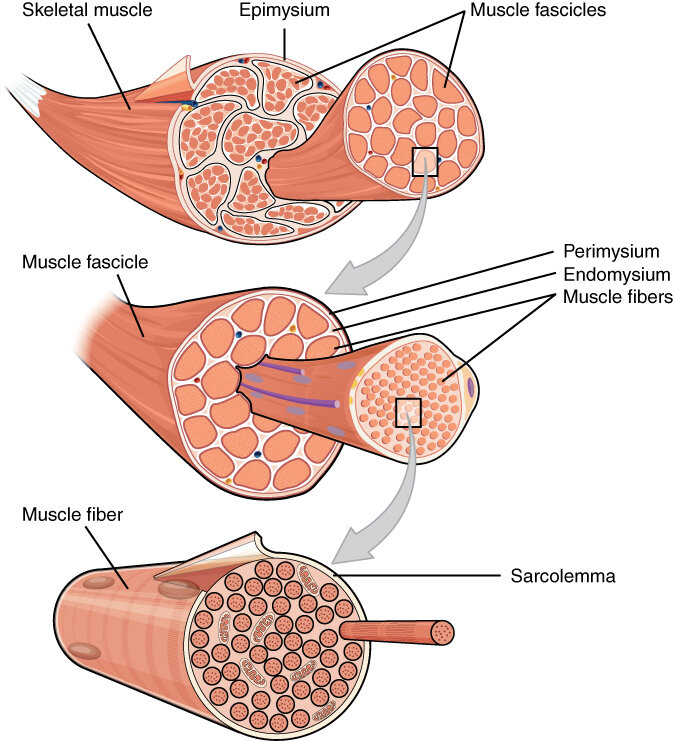
striated
adjective
Marked with long, thin, parallel lines or stripes.
You have conscious control over your skeletal muscles. The decision to pick up a book or kick a ball sends a signal from your brain through your nervous system to the specific muscles needed for the task, telling them to contract.
Cardiac Muscle
Cardiac muscle is found in only one place in your entire body: the heart. Its job is to pump blood, a task it performs relentlessly for your entire life. Like skeletal muscle, cardiac muscle is striated, but its structure is different. The cells are branched and connect to each other at junctions called intercalated discs. This network of interconnected cells allows the heart to contract in a coordinated wave, pushing blood efficiently through its chambers.
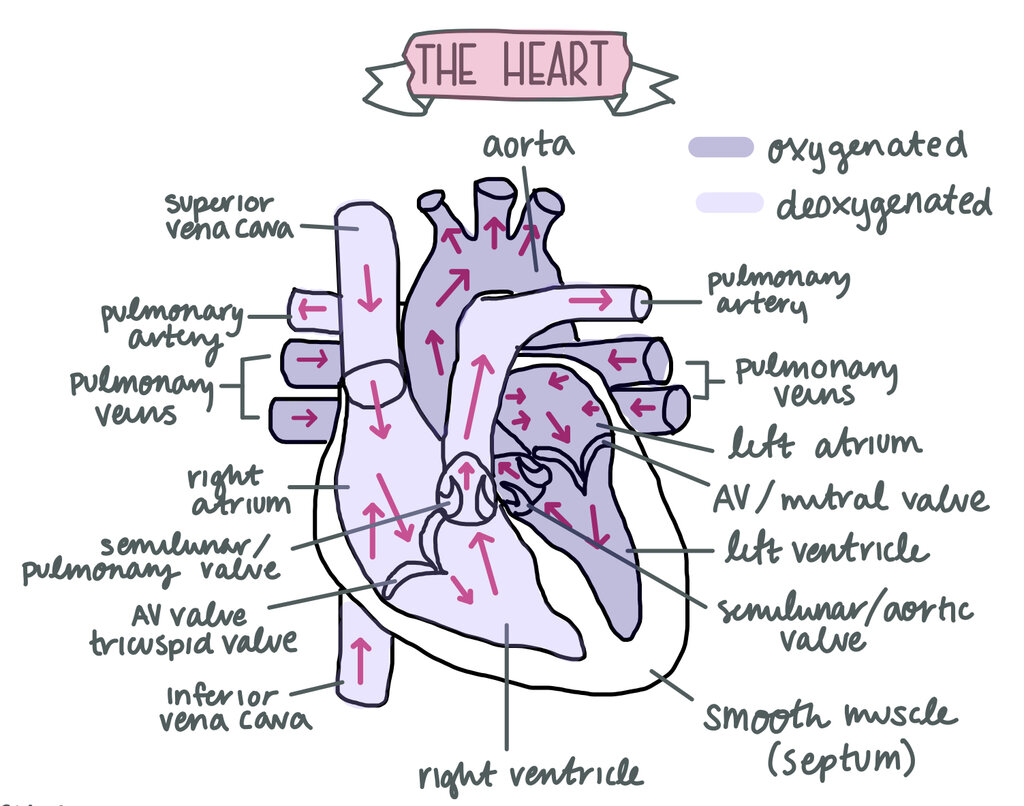
Unlike skeletal muscle, you have no conscious control over your cardiac muscle. It is involuntary. Your brain's autonomic nervous system manages your heart rate, speeding it up when you exercise and slowing it down when you rest, all without you having to think about it.
Smooth Muscle
Smooth muscle is the workhorse of your internal organs and structures. It's found in the walls of your stomach, intestines, bladder, arteries, and airways. Its contractions are involuntary and are essential for functions like digestion, regulating blood pressure, and controlling airflow.
Unlike skeletal and cardiac muscle, smooth muscle is not striated. Its cells are spindle-shaped, meaning they are thick in the middle and taper at the ends. They are arranged in sheets, and their contractions are slow and sustained.
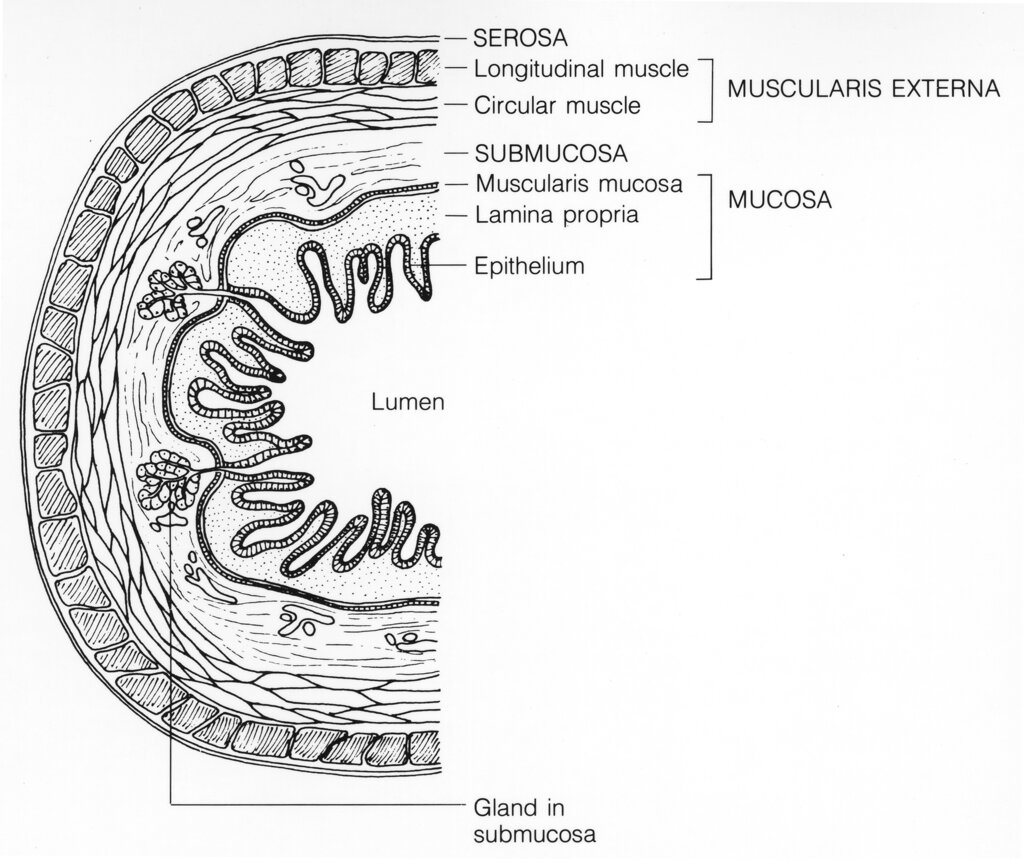
For example, when you eat, smooth muscle in the wall of your esophagus contracts in a wave-like motion called peristalsis to push food down to your stomach. Smooth muscle in the walls of your arteries contracts or relaxes to control the flow of blood and maintain blood pressure. All of this happens automatically.
| Feature | Skeletal Muscle | Cardiac Muscle | Smooth Muscle |
|---|---|---|---|
| Location | Attached to bones | Heart wall | Walls of hollow organs |
| Control | Voluntary | Involuntary | Involuntary |
| Appearance | Striated | Striated, branched | Non-striated |
| Cell Shape | Long, cylindrical | Branched | Spindle-shaped |
Let's review the key characteristics of these three muscle types.
Ready to test your knowledge?
Which type of muscle tissue is responsible for voluntary actions like kicking a ball or typing?
The wave-like contractions in the digestive tract that push food along, known as peristalsis, are carried out by which muscle tissue?
Understanding these three muscle types is fundamental to seeing how the body performs its vast range of activities, from the most powerful athletic feats to the silent, essential work happening inside our organs.