Exploring Japanese Culture
Ancient Japan
The First Japanese Cultures
Long before samurai and shoguns, the Japanese archipelago was home to some of the world's most enduring prehistoric cultures. For thousands of years, people thrived as hunter-gatherers, creating communities and developing surprisingly complex technologies. This era, known as the Jōmon period, laid the cultural groundwork for everything that followed.
The name Jōmon (縄文) means "cord-marked," a reference to the distinctive patterns these early people pressed into their pottery.
The Jōmon period began as early as 14,000 BCE, lasting for over ten thousand years. Life was tied to the seasons and the rich natural resources of the islands. Jōmon people hunted game like deer and boar, fished in rivers and the ocean, and gathered nuts, berries, and edible plants. They lived in small settlements, often in simple pit-houses dug partially into the ground for insulation.
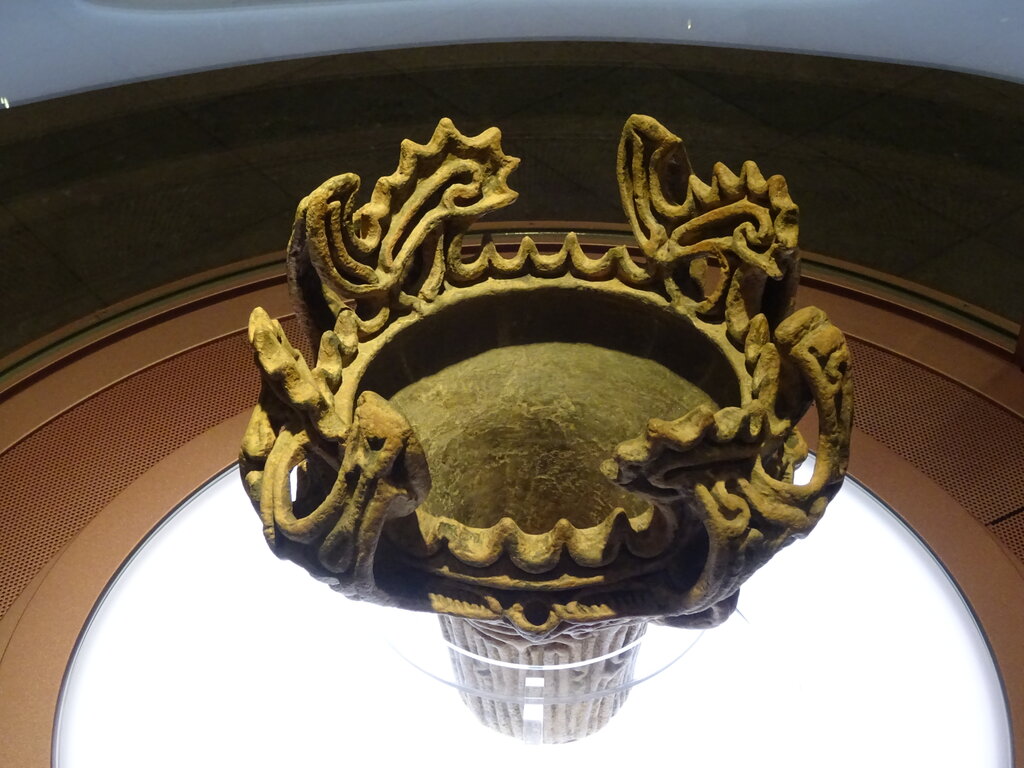
What truly sets the Jōmon culture apart is its pottery. They were some of the first people in the world to create ceramic vessels. This was a significant innovation for a hunter-gatherer society. Pots allowed them to cook food more effectively, breaking down tough fibers and making more nutrients available. It also gave them a way to store food, providing a buffer against lean times.
Jōmon pottery wasn't just functional; it was an art form. Early pots were simple, but over millennia, they evolved into highly ornate creations. The most famous examples are the "flame-style" vessels from the Middle Jōmon period, with their wild, sculptural rims that look like leaping fire.
A New Way of Life
Around 900 BCE, a wave of profound change began to sweep across Japan, starting in the southern island of Kyushu. New groups of people arrived from the Asian mainland, bringing with them a revolutionary set of technologies and ideas. This marked the beginning of the Yayoi period.
The Yayoi period is named after the district in Tokyo where pottery from this era was first discovered by archaeologists.
The most important of these new introductions was wet-rice agriculture. Instead of just gathering what nature provided, people began to cultivate rice in flooded paddies. This was a game-changer. Rice farming could support much larger populations than hunting and gathering, leading to the growth of bigger, more permanent villages.
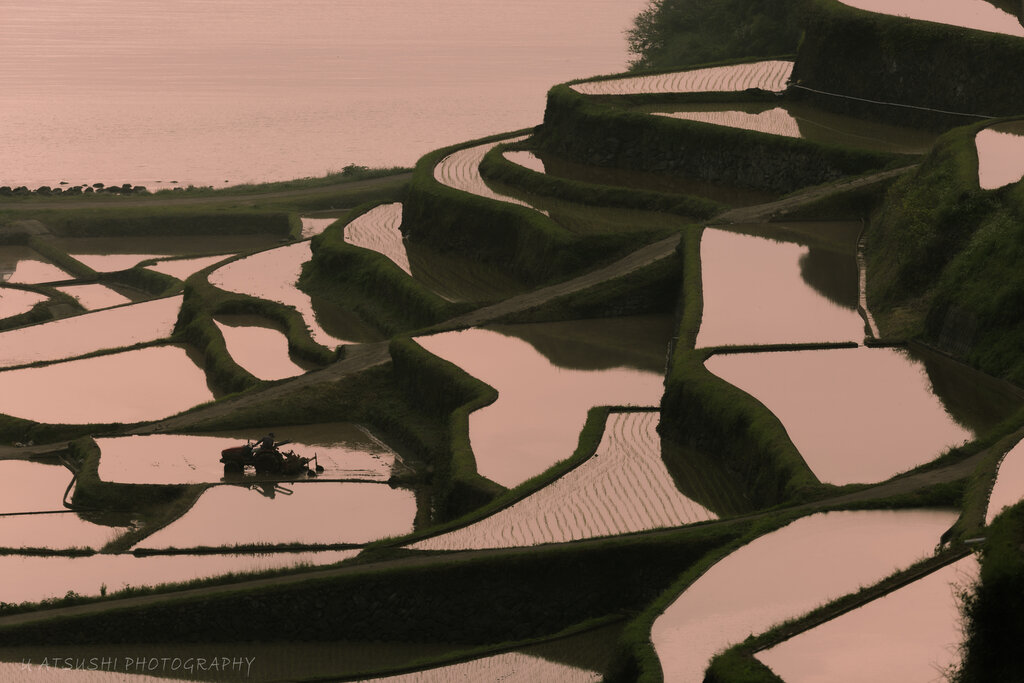
Along with farming, the newcomers brought knowledge of metallurgy. They introduced both bronze and iron to Japan at roughly the same time. Bronze was used primarily for ceremonial objects like bells, known as dōtaku, and weapons, which likely served as status symbols. Iron was more practical, used to make stronger tools and more effective farming implements like plow tips.
From Jōmon to Yayoi
The transition from the Jōmon to the Yayoi period wasn't an overnight event. It was a gradual process of cultural mixing and technological adoption that unfolded over centuries. As Yayoi culture spread from west to east, it blended with or replaced the existing Jōmon traditions.
The lifestyle shift was dramatic. Society became more complex and stratified. Storing surplus rice created wealth, which in turn created social hierarchies. Villages grew larger and sometimes featured defensive moats and watchtowers, suggesting an increase in conflict over land and resources.
| Feature | Jōmon Period (c. 14,000–900 BCE) | Yayoi Period (c. 900 BCE–300 CE) |
|---|---|---|
| Lifestyle | Hunter-gatherer | Agricultural |
| Food Source | Hunting, fishing, gathering | Wet-rice cultivation |
| Settlements | Small, semi-permanent pit-houses | Larger, permanent villages |
| Pottery | Ornate, cord-marked, thick | Simple, functional, thin-walled |
| Technology | Stone tools, ceramics | Metal tools (bronze & iron), weaving |
Yayoi pottery reflects this change in focus. It was simpler and more utilitarian than the elaborate Jōmon styles, designed for everyday tasks like cooking and storing grain. Another key innovation was weaving. The Yayoi people produced textiles from hemp and other plant fibers, creating cloth for clothing and other uses.
Together, these two periods formed the bedrock of Japanese civilization. The Jōmon culture represents a deep, ancient connection to the natural landscape, while the Yayoi period introduced the agricultural and technological foundations that would shape Japan's future.
Time to review the key terms from this early period of Japanese history.
Let's see what you've learned about Japan's foundational cultures.
What was the most significant technological innovation introduced during the Yayoi period that led to the growth of larger, permanent settlements?
The famous 'flame-style' vessels are a characteristic art form of which period?
From these ancient beginnings, Japanese society would continue to evolve, building on the legacy of its first peoples.