Exploring Artificial Intelligence Types and Functions
Introduction to Artificial Intelligence
What Is Artificial Intelligence?
At its heart, artificial intelligence (AI) is about teaching machines to think, learn, and solve problems like humans do. It's a field of computer science dedicated to creating systems that can perform tasks that would normally require human intelligence. This includes everything from understanding language and recognizing images to making decisions and predictions.
Think of it this way: AI gives a computer a mind of its own, allowing it to interpret data, learn from it, and adapt to achieve specific goals.
This doesn't mean we're building sentient robots from science fiction. Most AI today is designed for specific, narrow tasks. The AI that recommends your next movie is different from the one that helps doctors detect diseases, but they both operate on the same core principle of simulating intelligent behavior.
A Quick Trip Through Time
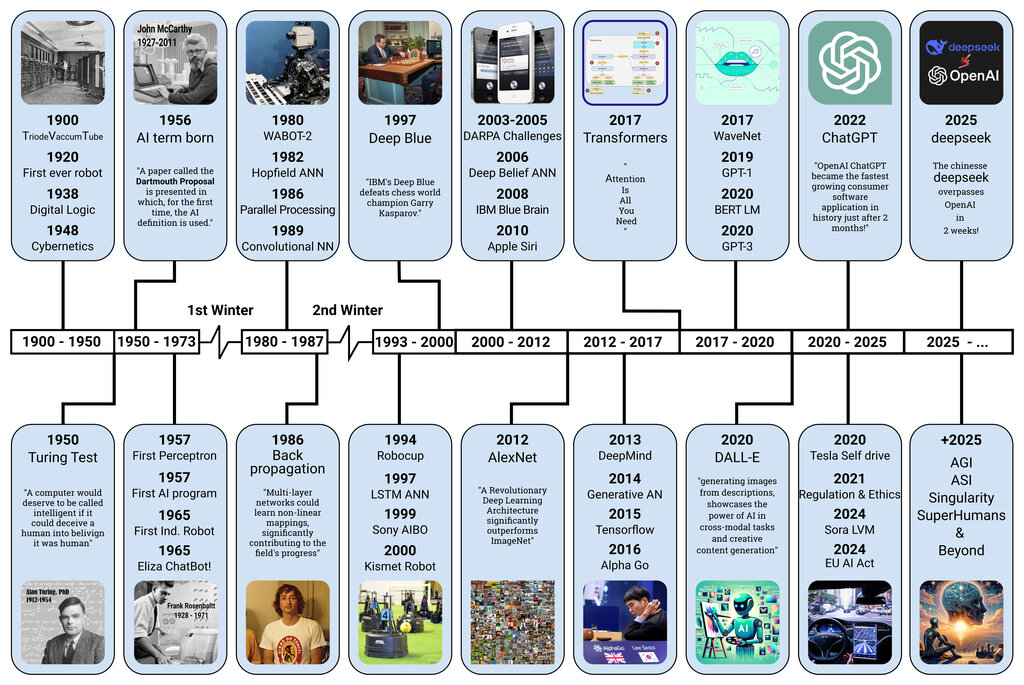
The dream of creating intelligent machines is not new. Early ideas stretch back to ancient myths, but the scientific journey began in the mid-20th century. In 1950, mathematician Alan Turing proposed a test, now called the Turing Test, to see if a machine could exhibit intelligent behavior indistinguishable from that of a human.
The term "artificial intelligence" was officially coined in 1956 at a workshop at Dartmouth College. This event is widely considered the birth of AI as a formal field of research.
The path forward wasn't always smooth. The field experienced periods of high enthusiasm followed by "AI winters," when funding dried up and progress slowed. But recent breakthroughs, driven by massive amounts of data and powerful computers, have sparked an AI renaissance, bringing it out of the lab and into our daily lives.
Why AI Matters Today
AI is no longer just a concept; it's a powerful tool reshaping entire industries. Its ability to process and find patterns in vast amounts of data makes it invaluable in nearly every field.
In healthcare, AI helps analyze medical images to spot signs of cancer earlier and more accurately. In finance, it detects fraudulent transactions in real-time, protecting consumers. Entertainment services use AI to learn your preferences and recommend songs or shows you might like. Car manufacturers are developing self-driving vehicles that rely on AI to navigate complex traffic situations.
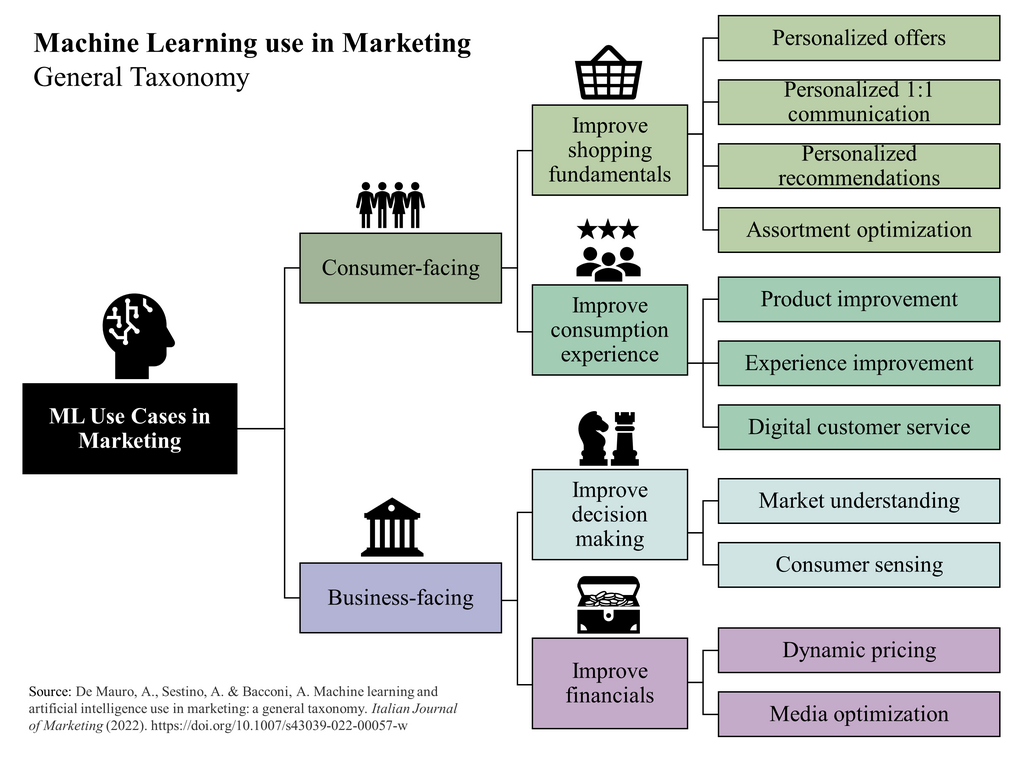
As AI technology continues to evolve, it promises to help solve some of the world's most complex challenges, from climate change to disease research.
Getting the Terms Right
As you explore AI, you'll encounter some specific terms. Understanding them is the first step to grasping how this technology works.
Algorithm
noun
A set of step-by-step instructions or rules that a computer follows to perform a task or solve a problem.
Algorithms are the building blocks of AI. An AI system uses algorithms to process data and make decisions.
Machine Learning
noun
A subset of AI where systems learn directly from data, identify patterns, and make decisions with minimal human intervention.
Instead of being explicitly programmed for a task, a machine learning model is "trained" on a large dataset. It learns the underlying patterns on its own, allowing it to make predictions or decisions about new, unseen data. We'll dive deeper into this fascinating topic soon.
What is the primary goal of artificial intelligence (AI)?
The Turing Test was designed to assess a machine's ability to exhibit intelligent behavior indistinguishable from that of a human.
Now that you have a foundational understanding of what AI is and where it came from, we can start exploring its different types and capabilities.