EU SOP for AI Model Training Documentation
Understanding SOPs
What Is an SOP?
Think of a recipe for baking a cake. It lists the ingredients, the quantities, and the exact steps to follow. If you follow the recipe, you get a consistent cake every time. A Standard Operating Procedure, or SOP, is like a recipe for a business task.
Standard Operating Procedure (SOP)
noun
A set of step-by-step instructions compiled by an organization to help workers carry out complex routine operations. SOPs aim to achieve efficiency, quality output and uniformity of performance, while reducing miscommunication and failure to comply with industry regulations.
It’s a formal document that describes how to perform a task correctly, safely, and consistently. The goal isn't to add bureaucracy, but to create a reliable baseline for important activities. From onboarding a new employee to running a monthly financial report, SOPs ensure everyone is on the same page and following the same proven process.
SOPs turn tribal knowledge—the kind of information that lives inside one person's head—into a shared, reliable resource for the entire team.
The Building Blocks of an SOP
While SOPs can vary in length and detail, most effective ones share a common structure. They contain clear sections that answer all the key questions someone might have when performing the task.
| Component | Purpose |
|---|---|
| Title & ID | A clear name and unique number for easy identification. |
| Purpose/Scope | Explains why the SOP exists and what tasks or areas it covers. |
| Responsibilities | Defines who is responsible for each step in the process. |
| Procedure | The core of the document: a detailed, step-by-step guide on how to do the task. |
| Documentation | Includes version history, author, approval dates, and when it should be reviewed next. |
Think of these components as a checklist for creating a complete and easy-to-understand guide. Leaving one out can create ambiguity, which is exactly what SOPs are meant to eliminate.
Why Bother with SOPs?
Creating and maintaining documentation takes effort. So, why is it worth it? Implementing SOPs brings several major benefits that strengthen an organization from the inside out.
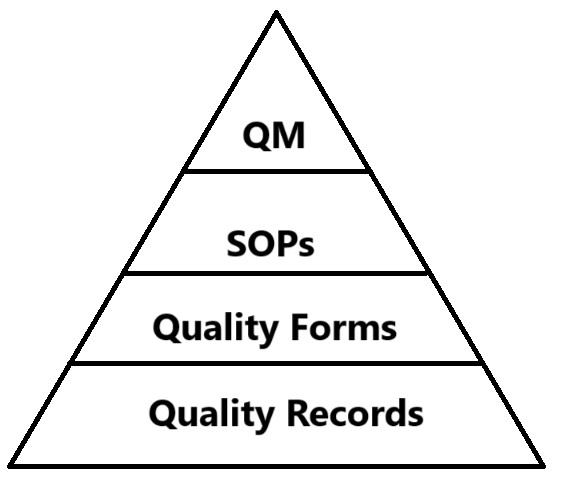
Process standardization and documentation are vital for operational excellence, ensuring consistency, quality, and efficiency across the organization.
First, SOPs ensure consistency. When everyone follows the same procedure, the outcome is predictable and reliable, whether you're serving a customer or manufacturing a product. This directly impacts quality control. By standardizing the best way to do something, you reduce the chance of errors and defects.
They also boost efficiency. Instead of reinventing the wheel or guessing the next step, employees have a clear roadmap. This saves time and resources. For new hires, SOPs are an invaluable training tool, helping them get up to speed quickly and correctly.
Finally, SOPs are crucial for compliance. Many industries have regulations that require documented procedures to ensure safety and accountability. SOPs provide a clear, auditable trail showing that an organization is following the rules.
Ready to check your understanding? This quiz will test you on the purpose and components of Standard Operating Procedures.
What is the primary purpose of a Standard Operating Procedure (SOP)?
A company notices that different teams are handling customer returns in different ways, leading to confusion and inconsistent service. Which key benefit of SOPs would most directly solve this problem?
With this foundation, you can see how SOPs are more than just paperwork. They are a fundamental tool for building a stable, efficient, and high-quality operation.