Ethiopia Red Sea Access Geopolitics
Historical Context
A Coastline Lost
For much of its long history, Ethiopia had a direct line to the sea. The Red Sea coast, a vital corridor for trade and naval power, was an integral part of its identity and economy. This access was facilitated through the territory that is now Eritrea.
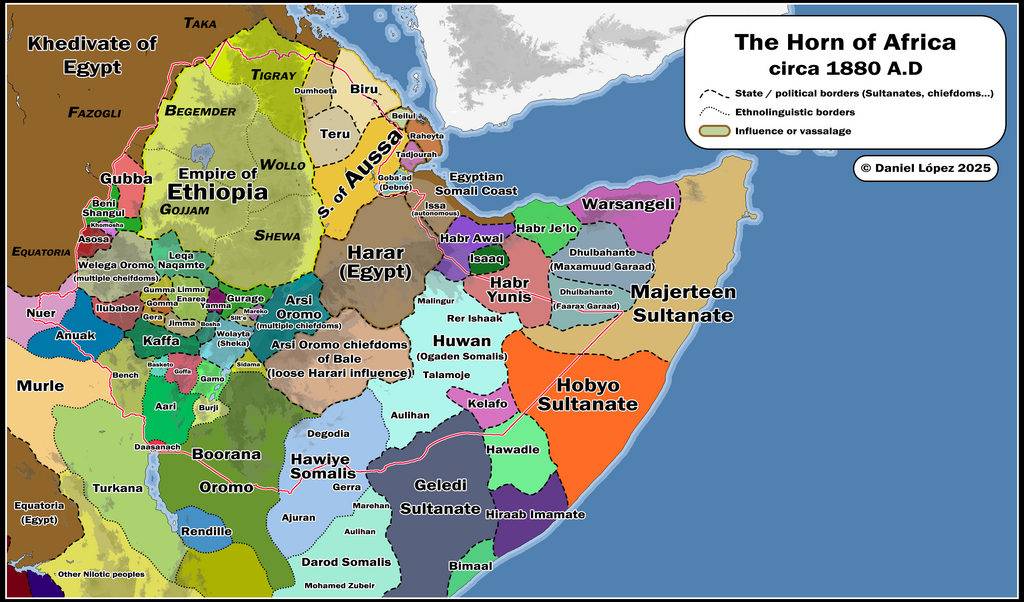
After World War II, the United Nations federated Eritrea with Ethiopia in 1952. For four decades, Ethiopia maintained control over this coastal region, including its crucial ports. However, this arrangement was fraught with tension, leading to a long and arduous war for Eritrean independence.
The pivotal moment came in 1993. After a UN-supervised referendum, Eritrea formally seceded and declared its independence. With a stroke of a pen, Ethiopia's map was redrawn. It lost its entire 1,000-kilometer coastline overnight and became the most populous landlocked country in the world.
The Vanishing Ports
The secession meant the loss of two principal ports on the Red Sea: Massawa and Assab. These weren't just dots on a map; they were Ethiopia's economic lifelines.
Massawa, a port with a history stretching back centuries, served the northern part of Ethiopia. Assab, located further south and closer to the capital, Addis Ababa, was developed specifically to handle the bulk of the country's trade.
Before the split, Assab handled the majority of Ethiopia's cargo. Its modern facilities were essential for importing everything from fuel and machinery to food aid, and for exporting key products like coffee. The loss of these ports was an immediate and profound economic shock.
A New Lifeline
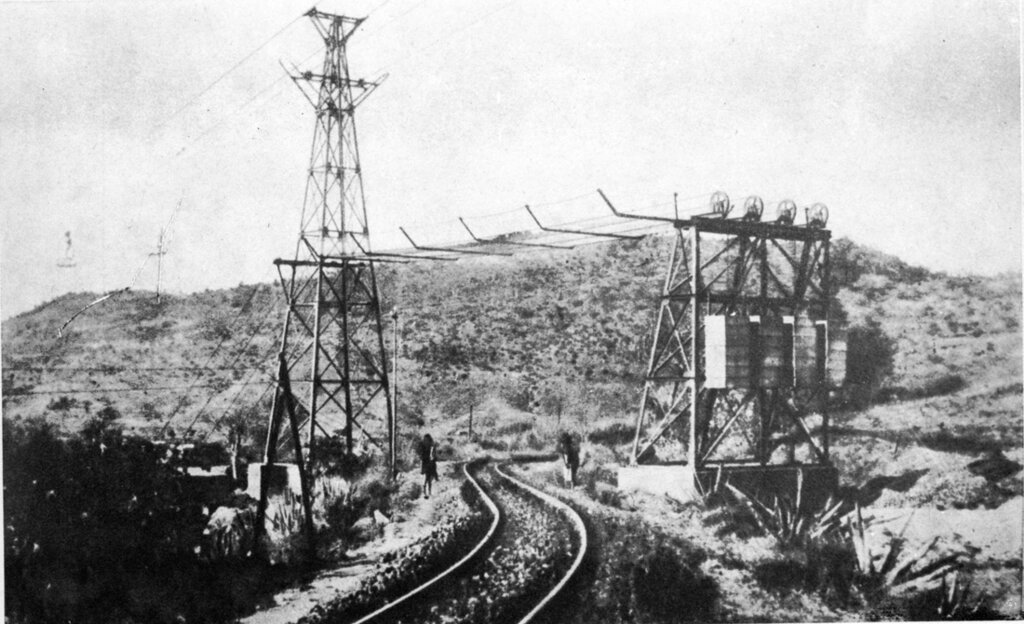
Suddenly cut off from the sea, Ethiopia had to find an alternative route for its trade. The nation turned to its neighbor, Djibouti. The Port of Djibouti, connected to Addis Ababa by a railway, quickly became the primary gateway for nearly all of Ethiopia's imports and exports.
| Port Usage | Pre-1993 (Approx.) | Post-1998 (Approx.) |
|---|---|---|
| Assab & Massawa | >85% of Ethiopian trade | 0% |
| Djibouti | <10% of Ethiopian trade | >95% of Ethiopian trade |
This new arrangement presented a strategic challenge. Ethiopia's economic security was now heavily dependent on the stability and cooperation of another nation. Relying on a single corridor for trade made the country vulnerable to potential disruptions, from political disagreements to logistical bottlenecks. The costs associated with using Djibouti's port, including fees and transportation, also placed a new financial burden on the Ethiopian economy.
Let's review the key terms from this period.
Now, check your understanding of these historical shifts.
What event directly caused Ethiopia to become a landlocked country?
In what year did Ethiopia lose its access to the Red Sea?
The 1993 secession of Eritrea fundamentally altered Ethiopia's geography and economy, setting the stage for decades of strategic challenges that persist to this day.