ESP32 Microcontroller Essentials
ESP32 Overview
What is the ESP32?
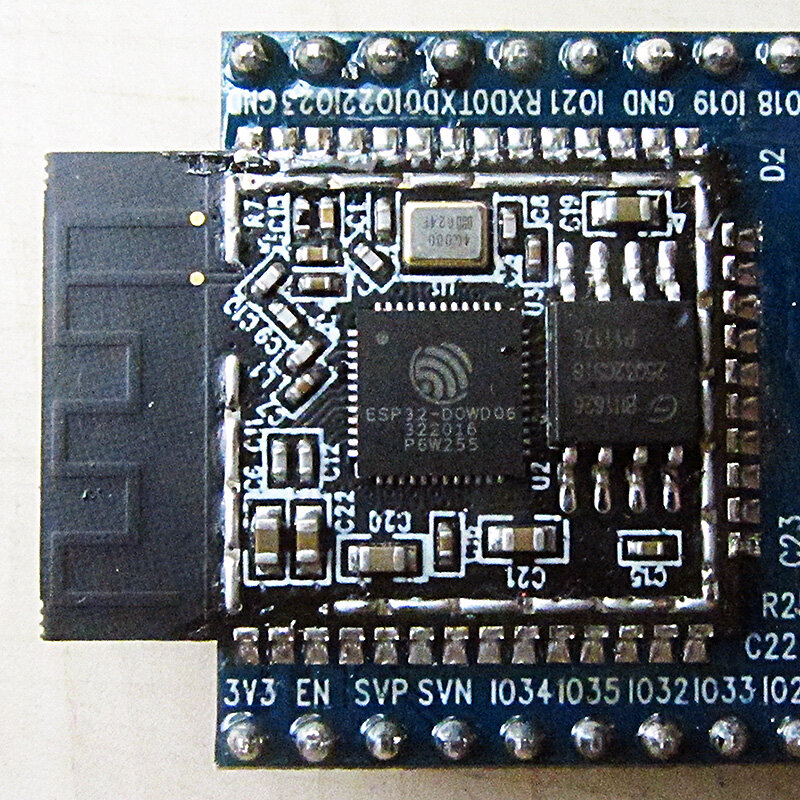
The ESP32 is not just a single component, but a whole computer system packed onto a tiny chip. It's what engineers call a System on a Chip, or SoC. This means it combines a processor, memory, and input/output peripherals all in one small package, making it incredibly versatile for building smart devices.
System on a Chip (SoC)
noun
An integrated circuit that combines all the major components of a computer or other electronic system into a single chip.
Unlike a general-purpose computer that can run a full operating system like Windows or macOS, a microcontroller like the ESP32 is designed for a specific job. Think of the little computer inside your microwave, your TV remote, or a smart light bulb. That's the world where the ESP32 shines.
Core Architecture
At its heart, the ESP32 is all about processing power and efficiency. Most versions of the ESP32 are built around a dual-core processor. This is a big deal in the microcontroller world. Having two cores means the ESP32 can handle multiple tasks at once. For example, one core could manage the Wi-Fi connection while the other core reads data from a sensor and updates a display.
Dual cores allow for parallel processing, making the ESP32 powerful enough to manage complex tasks like wireless communication and real-time device control simultaneously.
This processor is based on the Tensilica Xtensa LX6 architecture. You don't need to memorize the name, just know that it's designed to be both powerful and energy-efficient. This balance is crucial for battery-powered devices, where every bit of power savings counts. The architecture also includes several co-processors that handle specialized, low-power tasks without waking up the main cores.
Memory and Connectivity
A processor is useless without memory to store its code and data. The ESP32 comes with on-chip memory, which is essential for its operation. The specifics can vary between different ESP32 models, but they generally follow a similar pattern.
| Memory Type | Description | Typical Size |
|---|---|---|
| SRAM | Static RAM used for data and program execution. It's fast but volatile (loses data when power is off). | ~520 KB |
| Flash | Non-volatile memory used for storing the program code. Data persists without power. | 4 MB to 16 MB |
| ROM | Read-Only Memory that contains the initial bootloader and some core functions. | ~448 KB |
But the real standout feature of the ESP32 is its integrated wireless communication. This is what makes it a go-to choice for Internet of Things (IoT) projects.
Wi-Fi: The ESP32 has a built-in 2.4 GHz Wi-Fi radio. This allows your projects to connect to standard wireless networks, access the internet, communicate with other devices, or even create their own network.
Bluetooth: It also includes Bluetooth and Bluetooth Low Energy (BLE). This is perfect for connecting to smartphones, wireless sensors, or other low-power devices over short distances. Having both Wi-Fi and Bluetooth on a single, affordable chip is a game-changer for hobbyists and professionals alike.
ESP32 is a series of low cost, low power system on a chip microcontroller with integrated Wi-Fi & dual-mode Bluetooth.
This combination of processing power, memory, and dual-mode wireless connectivity provides a powerful and flexible platform for building a huge range of connected devices.
Time to check your understanding of the ESP32's hardware.
What does the acronym SoC stand for in the context of the ESP32?
True or False: The ESP32 is primarily designed to run general-purpose operating systems like Windows or macOS.
Now you have a solid grasp of the hardware that makes the ESP32 tick. Next, we'll explore the pins that let it interact with the outside world.