Equestrian Endurance Riding Explained
Introduction to Endurance Riding
The Ultimate Test of Horse and Rider
Endurance riding is a long-distance equestrian sport that tests the speed and stamina of a horse and the navigation and horsemanship skills of its rider. Unlike a racetrack sprint, endurance is a marathon. Races cover marked trails through natural terrain, ranging from 25 miles to 100 miles or more in a single day.
The sport has its roots in military history. Cavalry units needed horses that could travel long distances, day after day, and remain fit for duty. To test their mounts, officers organized long-distance rides. These early tests evolved into the modern sport we know today, with the first official ride, the Tevis Cup, established in California in 1955. This 100-mile ride follows a rugged trail through the Sierra Nevada mountains, setting the standard for the sport worldwide.
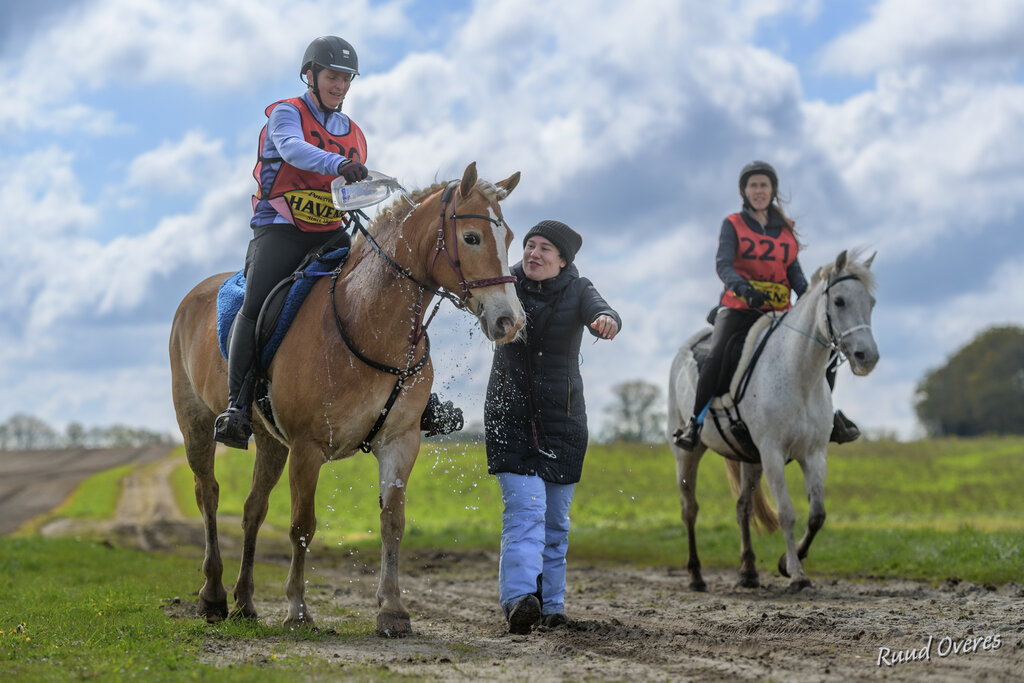
Finishing Is Winning
The main objective in endurance isn't just to cross the finish line first. The primary goal is to finish with a horse that is “fit to continue.” This philosophy is the heart of the sport, encapsulated in its motto: “To finish is to win.”
The biggest challenge is managing your horse's condition over many miles and hours. Riders must pace their horses carefully, paying close attention to their breathing, heart rate, and overall well-being. They need to understand the terrain, manage hydration and nutrition, and know when to push forward and when to slow down.
In endurance, the partnership between horse and rider is everything. You must trust your horse, and your horse must trust you to keep them safe.
Competitions are divided into loops or phases. After each loop, typically 12 to 25 miles long, horses must stop for a mandatory veterinary check. During this “vet check,” a veterinarian and a vet judge examine the horse to ensure it is not overly fatigued or lame. They check the horse's heart rate, respiration, hydration, and movement. A horse must meet specific recovery criteria, like its heart rate dropping below a set number within a certain time, to be allowed to continue the race. If a horse is deemed unfit at any point, it is eliminated from the competition. This rule is non-negotiable and exists purely to protect the animal's welfare.
Rides are categorized by distance. Limited Distance (LD) rides are typically 25 to 35 miles long, while full endurance rides are 50 miles or more.
The Rider's Crew
While endurance is a competition between individual horse and rider pairs, it is very much a team sport. Most riders have a support team, or “crew,” waiting for them at the vet checks. The crew plays a critical role in the horse's care and the rider's success.
As the rider arrives at a checkpoint, the crew springs into action. Their responsibilities include:
- Cooling the horse: They quickly sponge or pour water over the horse to bring its body temperature and heart rate down.
- Providing refreshments: They offer the horse water and various types of feed to replenish energy.
- Assisting the rider: They provide food, drinks, and encouragement to the rider.
- Tack check: They can check equipment for any issues that might cause discomfort to the horse on the next loop.
The rider’s main job on the trail is to be the horse’s brain, making smart decisions about pace and care. They monitor the horse constantly, looking for any signs of fatigue or discomfort. A good endurance rider knows their horse inside and out and can anticipate its needs before they become problems.
Ready to test your knowledge?
What is the primary goal in the sport of endurance riding?
During an endurance competition, what happens at a mandatory “vet check”?
Endurance riding is a demanding but rewarding discipline that forges an incredible bond between a horse and its rider.