Engaging Conversation Skills
Understanding Communication Fundamentals
The Communication Loop
At its heart, communication is the process of sending and receiving information between two or more people. Think of it like a package delivery. Someone has a thought or idea (the package), and they want to send it to someone else. This simple exchange has a few key parts that work together in a cycle.
The sender is the person who starts the conversation. The message is the information they want to share. The channel is the method used to send the message—it could be a face-to-face conversation, a text message, or an email. The receiver is the person who gets the message.
Finally, feedback is the receiver's response, which lets the sender know if the message was understood. This response turns the receiver into a sender, and the loop begins again.
More Than Just Words
We communicate in two main ways: with words and without them.
Verbal communication is using spoken or written words. It's the most direct method, but it's not just about what you say. Your tone of voice, how fast you speak, and the volume you use all add meaning to your words. The phrase "I'm fine" can mean very different things depending on how it's said.
Non-verbal communication includes all the messages we send without speaking. This is often called body language. It covers your posture, gestures, facial expressions, and eye contact. Sometimes, our non-verbal signals are so powerful they can completely change the meaning of our words, or even replace them entirely.
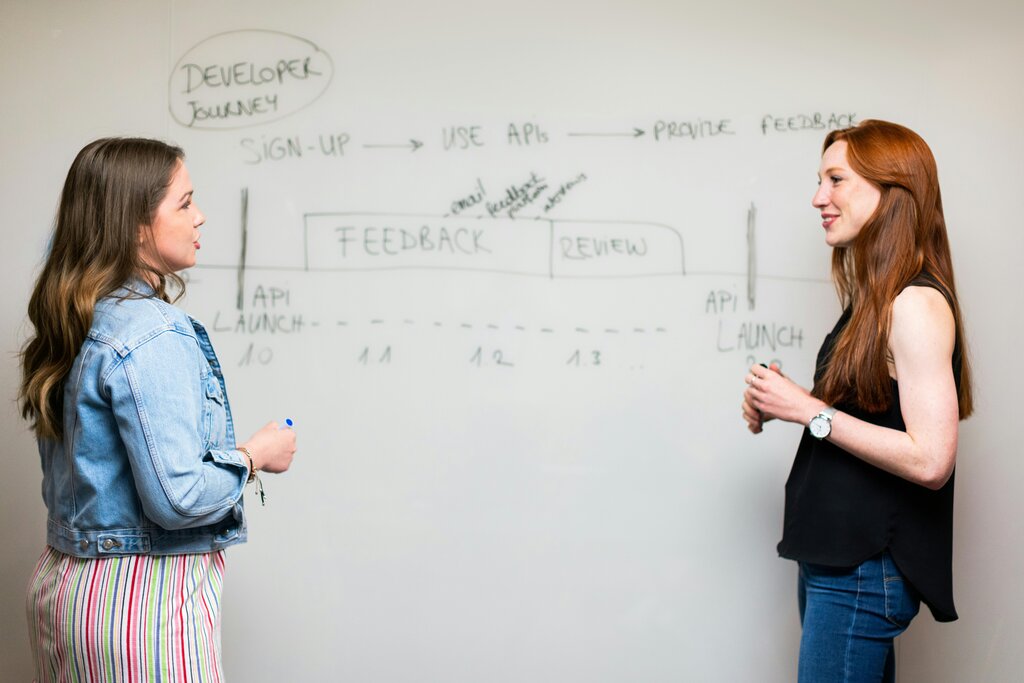
Think about a time someone agreed with you verbally but was shaking their head, or avoided looking you in the eye. Which message did you believe? Most likely, it was the non-verbal one. Our actions often speak louder than our words.
What Gets in the Way
Even with a clear sender and receiver, messages can get lost or misunderstood. These mix-ups are caused by communication barriers. They can be obvious or subtle, but they all disrupt the flow of information.
| Barrier Type | Description | Example |
|---|---|---|
| Physical | Anything in the environment that blocks communication. | A noisy room, a poor internet connection, or sitting too far apart. |
| Language | Differences in language or vocabulary. | Using technical jargon with someone outside your field. |
| Psychological | Our internal state of mind. | Being angry, distracted, or having preconceived ideas about the other person. |
| Cultural | Different cultural norms for communication. | A gesture that is polite in one culture might be rude in another. |
Another crucial element is context. This is the situation or environment in which communication happens. The same words can have wildly different meanings depending on the context. Asking "How's it going?" to a close friend is very different from asking it to your boss in a formal performance review.
Understanding the context—who you're talking to, where you are, and why you're communicating—helps you choose the right words and interpret the other person's message correctly.
In the communication cycle, what is the term for the receiver's response to the sender's message?
If a friend tells you they are 'fine' but their arms are crossed and they are avoiding eye contact, you are most likely to believe their non-verbal cues.
With these fundamentals in place, you're ready to build more advanced skills. Recognizing the basic loop, the types of communication, and the barriers is the first step toward becoming a more effective communicator.