Embedded Systems Essentials
Introduction to Embedded Systems
What Is an Embedded System?
Think about the difference between a chef's knife and a coffee maker. A chef's knife is a general-purpose tool. You can use it to chop, slice, dice, and mince. A coffee maker, on the other hand, does one thing: it makes coffee. It's designed specifically for that task, with just the right components and programming to do its job perfectly.
An embedded system is like that coffee maker. It's a computer, but it's not a general-purpose one like your laptop. Instead, it's a specialized computing system built to perform a dedicated function inside a larger device.
Embedded systems are specialized computing systems that are designed to perform specific tasks within a larger mechanical or electrical system.
These systems have a few key characteristics:
- Task-Specific: They are designed for a single purpose or a small set of related tasks. The software in a digital camera is for taking and managing photos, not for browsing the web.
- Resource-Constrained: They often work with limited memory, processing power, and energy. Efficiency is critical.
- Reliable and Real-Time: Many embedded systems must operate reliably and respond to events instantly. A car's airbag controller can't afford to lag or crash.
Everywhere You Look
Once you know what to look for, you'll see embedded systems everywhere. They are the hidden brains inside countless devices we use daily.
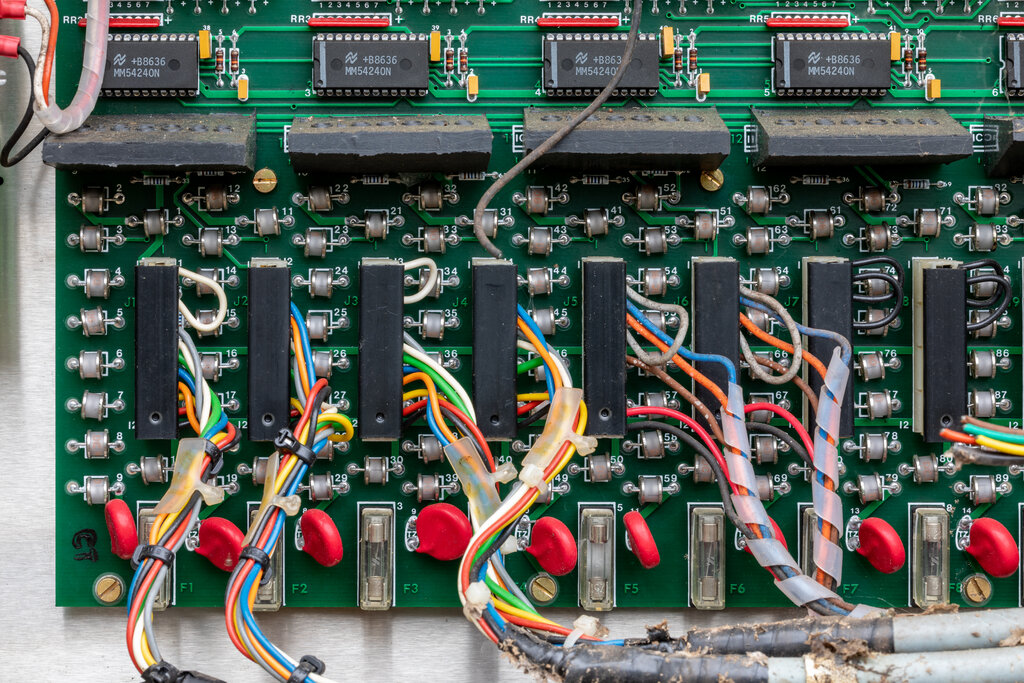
In your home, they run your microwave oven, washing machine, and television. In your car, they manage everything from the anti-lock braking system (ABS) and engine control unit (ECU) to the infotainment display.
Industries rely on them heavily. Medical devices like pacemakers and glucose monitors depend on embedded systems to function safely and accurately. In factories, they control robotic arms and automated assembly lines with precision. Even in agriculture, embedded systems can manage irrigation and monitor crop health.
Why They Matter
Embedded systems are the engine of modern technology. They make our devices smarter, safer, and more efficient. Without them, a car would just be a mechanical machine, and a phone wouldn't be “smart.”
They act as the bridge between the physical world and the digital world, taking input from sensors and creating real-world actions through motors, lights, or displays.
Their importance is only growing. The rise of the Internet of Things (IoT) is essentially a massive network of interconnected embedded systems. From smart thermostats to wearable fitness trackers, these devices collect data and communicate with each other, all thanks to the specialized computers embedded within them.
Now, let's review what you've learned about the fundamentals of embedded systems.