Embedded Databases Explained
Introduction to Embedded Databases
The Database Inside Your App
Most databases you hear about, like those powering websites and large companies, are standalone servers. Your application connects to them over a network to read or write data. An embedded database is different. It's a database management system that's built directly into an application, running in the same process.
Think of it like having a personal library in your house versus traveling to the public library. An embedded database is your personal library, right there when you need it, with no travel time required.
Because the database is part of the application itself, there's no separate server to install, configure, or maintain. The application communicates with it through direct function calls, not network requests. This makes data access incredibly fast.
Key Differences
The main distinction between embedded and standalone databases lies in their architecture and how an application interacts with them.
| Feature | Embedded Database | Standalone Database |
|---|---|---|
| Location | Inside the application process | Separate server process |
| Communication | Direct function calls | Network connection (e.g., TCP/IP) |
| Deployment | Part of the application package | Requires separate installation |
| Management | Managed by the application | Needs a database administrator |
| Footprint | Small, low resource use | Larger, higher resource use |
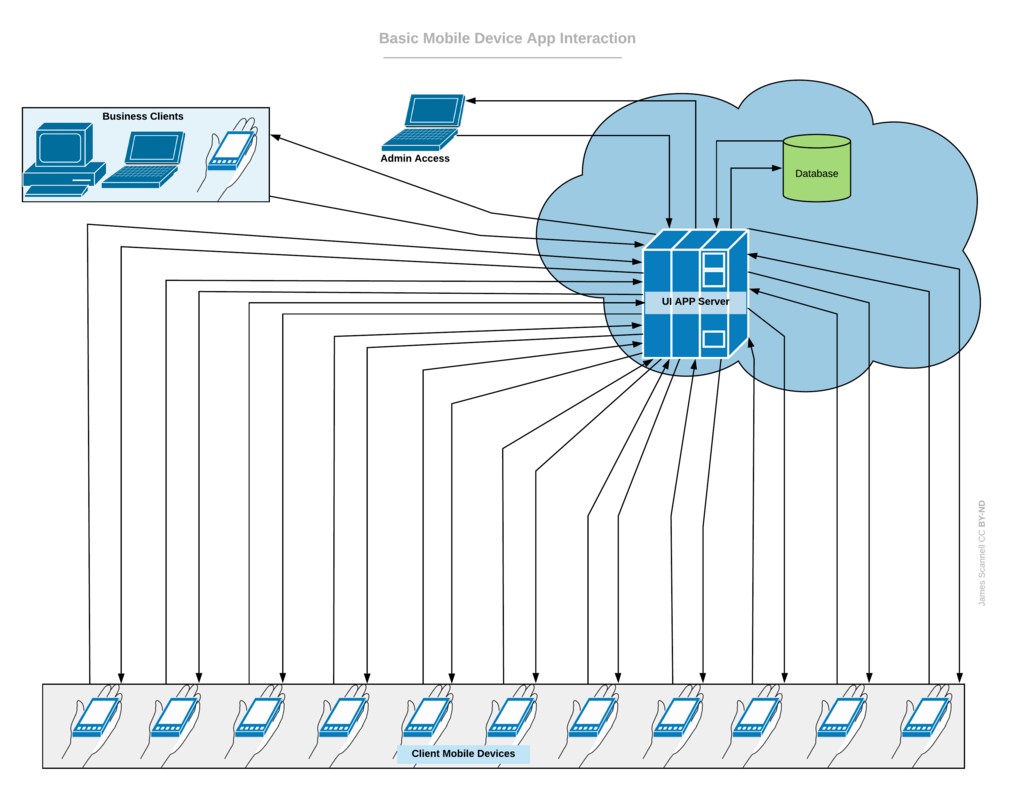
Standalone databases are powerful and designed to be shared by many applications at once. They are the backbone of most web services. Embedded databases are designed for a single application's private use, prioritizing speed and simplicity over broad accessibility.
When to Use One
Embedded databases are perfect for specific situations where their unique advantages shine. Their lightweight nature and direct integration make them an ideal choice for many modern applications.
Advantages:
- Speed: By eliminating network communication, data retrieval is nearly instant. There's no latency from sending requests to a remote server.
- Simplified Deployment: Since the database is just a library within your application, you don't need a separate installation process. This makes distributing your software much easier.
- Offline Capabilities: Applications can continue to function fully without an internet connection. This is crucial for mobile apps, desktop software, and devices in remote locations.
- Low Resource Usage: They are designed to have a small memory and storage footprint, making them suitable for devices with limited resources, like smartphones, wearables, and Internet of Things (IoT) sensors.
Common use cases include mobile app contact lists, browser history storage, settings for desktop software, and data logging on industrial equipment.
By bundling the database with the application, developers can create self-contained, high-performance software that's easy to deploy and can work anywhere, anytime.
What is the defining characteristic of an embedded database?
What is the primary reason embedded databases offer faster data access than standalone databases?