Electric Vehicle Drive Units
Motor Selection Trade-offs
Motor Showdown: Permanent Magnet vs. Induction
When designing an electric vehicle (EV), engineers face a critical choice for the powertrain: which type of motor to use? The two dominant architectures are the Permanent Magnet Synchronous Motor (PMSM) and the Induction Motor (IM). Each comes with a distinct set of engineering trade-offs, balancing efficiency, power, cost, and real-world performance. The decision isn't about which is better, but which is right for the job.
The Efficiency Champion: PMSM
Permanent Magnet Synchronous Motors are the go-to for most primary drive units in modern EVs, and for good reason. They boast superior efficiency, often in the 95-97% range, and a high torque density. This means they can deliver more power from a smaller, lighter package—a huge advantage in a vehicle where space and weight are at a premium.
The magic comes from powerful rare-earth magnets integrated into the rotor. These magnets create a constant magnetic field, so the motor doesn't need to expend energy creating one. This leads to less wasted heat and more efficient power delivery, especially during the start-stop traffic of urban driving.
The electromechanical design of the PMAC motor provides advantages associated with efficiency, power density, dynamic response, and speed range.
There are two main designs for placing these magnets. Surface PMSMs (SPMSM) mount the magnets on the rotor's exterior. This is simpler to manufacture but can be less robust at very high speeds. The more advanced approach is the Interior Permanent Magnet (IPM) motor, where magnets are embedded within the rotor laminations. This protects the magnets and allows the motor to also generate reluctance torque, which provides an extra performance boost without needing more electrical power.
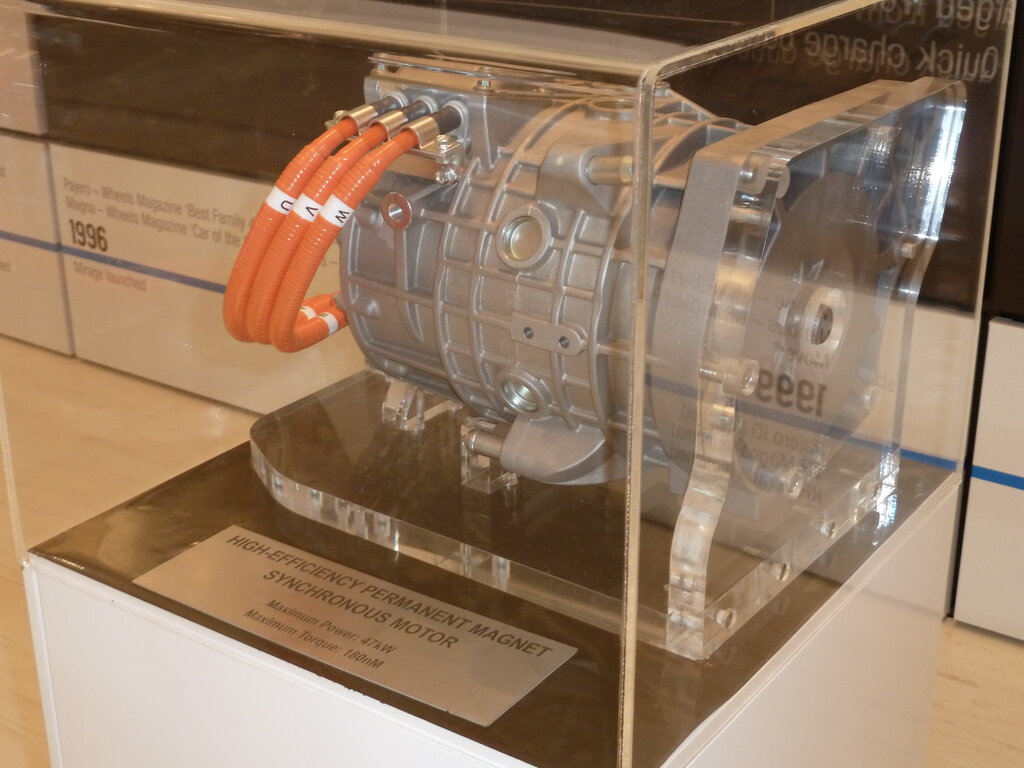
However, PMSMs have two significant drawbacks. First, their reliance on materials like neodymium and dysprosium makes them vulnerable to supply chain volatility and high costs. Second, they suffer from 'spin loss.' Because the magnets are permanent, they always exert a force. When the car is coasting without power, this magnetic drag still creates resistance, slightly reducing efficiency on the motorway.
The Rugged Workhorse: Induction Motor
The Induction Motor (IM) is the older, more established technology. It's known for being rugged, reliable, and significantly cheaper to produce because it doesn't require expensive permanent magnets. Instead of having magnets in the rotor, it has a simple 'squirrel cage' made of conductive bars (usually aluminium or copper).
The motor works by creating a rotating magnetic field in the stator, which induces a current in the rotor's cage. This induced current creates its own magnetic field, which interacts with the stator's field to produce torque. This process of induction is brilliantly simple, but it's not perfectly efficient. Energy is lost as heat due to the electrical resistance in the cage, a phenomenon known as rotor cage losses . Consequently, IMs are typically less efficient than PMSMs.
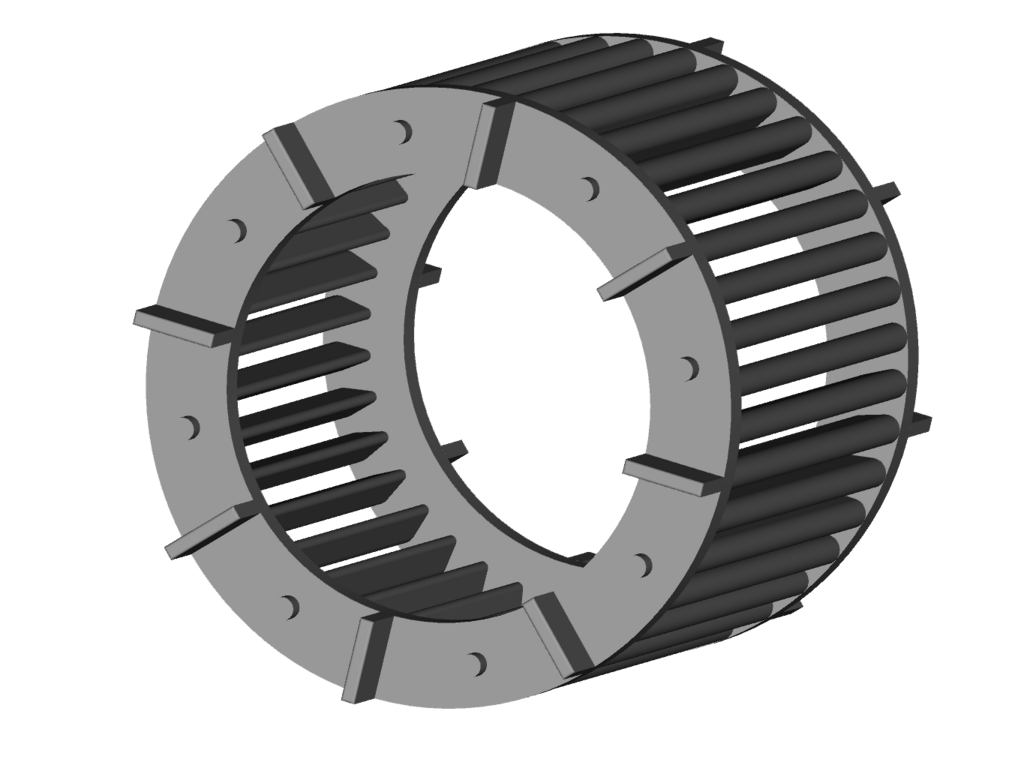
The Induction Motor's trump card is its ability to freewheel. When you cut power to an IM, the rotating magnetic field in the stator disappears. With no field to interact with, the rotor spins with almost zero drag. This is a massive advantage for highway driving, where a car spends a lot of time coasting. There's no magnetic drag sapping the car's momentum and, therefore, its battery.
Dual-Motor Strategy: The Best of Both
So, how do you get the high efficiency of a PMSM for acceleration and the low-drag coasting of an IM for highway cruising? You use both. This dual-motor strategy is a clever solution seen in many all-wheel-drive (AWD) EVs, such as Tesla's Model 3 and Model Y Long Range versions.
Typically, a high-efficiency PMSM is used as the primary motor on one axle (often the rear) to handle most of the driving and provide instant torque for acceleration. On the other axle, an Induction Motor serves as a secondary power source. When cruising on the motorway, the IM can be completely disengaged, allowing it to freewheel without causing any magnetic drag. This optimises range. When the driver demands more power for overtaking or needs better traction in slippery conditions, the IM is instantly powered on to assist. This hybrid approach leverages the strengths of each motor type, creating a powertrain that is both powerful and highly efficient across various driving conditions.
What is the primary advantage of a Permanent Magnet Synchronous Motor (PMSM) in an electric vehicle?
The slight resistance created by a PMSM's permanent magnets when an EV is coasting without power is known as __________.
The choice between motor types is a fascinating example of engineering compromise, where designers balance multiple factors to create the best possible vehicle for a specific purpose.