Efficient Weekly Meal Prep
Meal Planning Basics
Why Plan Your Meals?
Meal planning is simply the act of deciding what you’re going to eat ahead of time. It sounds simple, but it’s a powerful way to bring order to your week. It helps you dodge the daily 5 p.m. scramble for dinner, reduces reliance on expensive takeout, and stops you from buying groceries that end up in the trash.
Think of it as a roadmap for your food. Just like you wouldn’t start a road trip without a destination, you shouldn’t start your week without a basic idea of what you’ll be eating. This little bit of foresight saves you time, money, and mental energy. By planning your meals, you take control of your kitchen instead of letting your hunger and schedule control you.
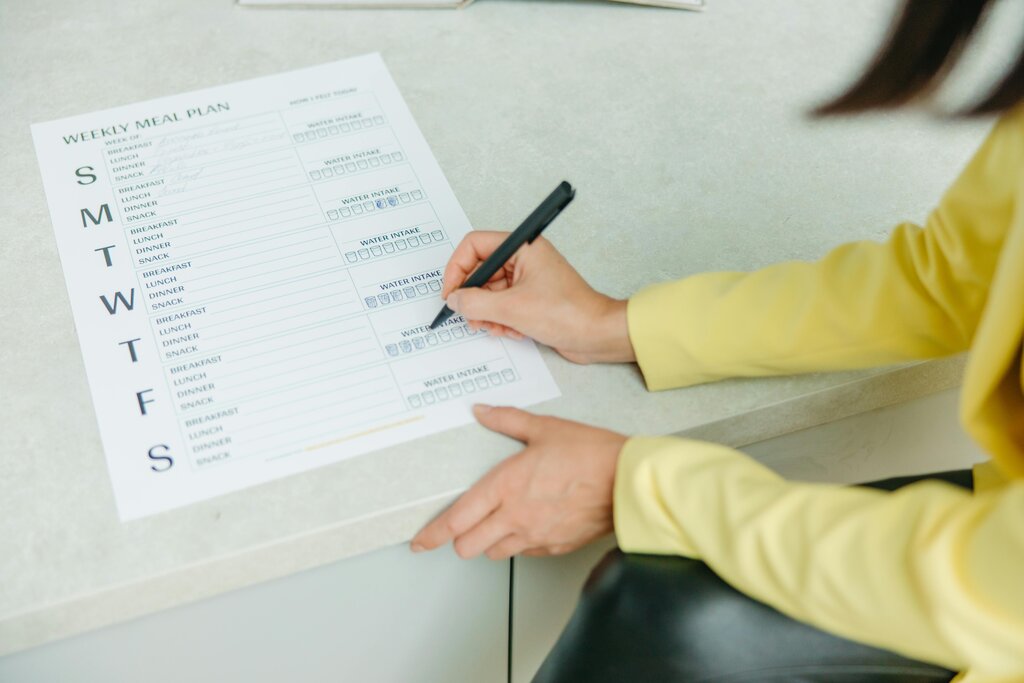
Beyond the practical benefits, planning your meals often leads to healthier eating habits. When you decide on your meals in a calm moment, you're more likely to make balanced choices. It also gives you a clear picture of your portions, which helps prevent overeating. You're no longer guessing at what makes a healthy plate; you're designing it yourself.
Your Plan, Your Rules
A meal plan is only useful if it fits your life and your tastes. Before you start picking recipes, take a moment to think about what you and your household actually like to eat. Are you a fan of spicy foods? Do you need quick lunches you can take on the go? Are there any allergies or dietary restrictions to consider?
Jot down a list of your go-to meals, favorite snacks, and any new recipes you’ve been wanting to try. This isn't about creating a rigid, boring diet. It’s about building a flexible framework with food you genuinely enjoy. The goal is to make your life easier, not to add another chore.
Consider your schedule, too. If you know Tuesdays are always hectic, plan for a simple, quick meal or leftovers on that day. Be realistic about the time and energy you’ll have for cooking.
Once you have a sense of your preferences, think about balance. A good meal plan includes a mix of macronutrients—protein, carbohydrates, and fats. You don't need to count every gram, but aim to have a source of each in your main meals.
For example, a dinner might include chicken (protein), quinoa (carbohydrates), and avocado (fats) alongside some vegetables. This simple model helps ensure your meals are satisfying and nutritious.
Putting It All Together
Now it's time to build your plan. You can use a notebook, a whiteboard, or a digital app. Start small by planning just a few days' worth of dinners. You don't have to plan every single meal and snack for the entire week right away.
To keep things interesting, try incorporating variety. You could plan a 'Taco Tuesday' or a 'Stir-fry Friday' to create a predictable rhythm that still allows for creativity. Using leftovers for lunch the next day is another great way to simplify your plan and reduce food waste.
Here’s a simple template to get you started:
| Day | Breakfast | Lunch | Dinner |
|---|---|---|---|
| Monday | Oatmeal | Leftover Chili | Chicken Stir-fry |
| Tuesday | Yogurt | Salad with Tuna | Tacos |
| Wednesday | Scrambled Eggs | Leftover Tacos | Pasta with Veggies |
| Thursday | Smoothie | Sandwich | Lentil Soup |
| Friday | Cereal | Leftover Soup | Homemade Pizza |
Remember, a meal plan is a tool, not a contract. It's okay to swap days or decide to eat out spontaneously. The goal is to have a structure in place that reduces decision fatigue and helps you meet your health and budget goals.
A well-thought-out meal plan can help you improve the quality of your diet or reach a specific health goal while saving you time and money.
Ready to test what you've learned about the fundamentals of meal planning?
What is the main purpose of meal planning?
When building a meal plan, it's a good idea to start by considering your personal food preferences, allergies, and lifestyle needs.
With these basics, you have a solid foundation for building a meal planning routine that works for you.