Eczema Causes Explained
Introduction to Eczema
What Is Eczema?
Eczema, also known as atopic dermatitis, is a condition that causes your skin to become dry, red, itchy, and bumpy. It's one of the most common skin problems, and it's a chronic condition, meaning it can last a long time and flare up periodically.
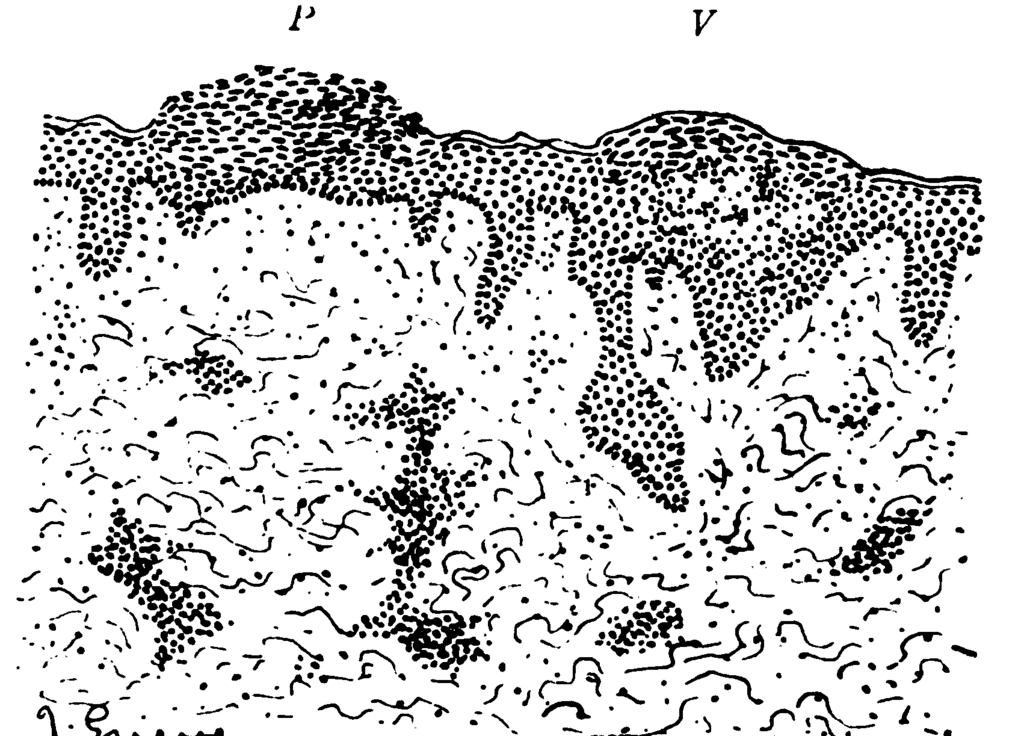
Think of your skin as a brick wall. In healthy skin, the skin cells (the bricks) are held together tightly by fats and proteins (the mortar). This creates a strong barrier that keeps moisture in and irritants out. In people with eczema, there isn't enough mortar between the bricks. The skin barrier becomes weak and 'leaky,' allowing moisture to escape and allergens or irritants to get in. This triggers inflammation, leading to the classic symptoms of eczema.
Who Gets Eczema?
Eczema can affect people of all ages, but it's most common in children. Many people develop it before their first birthday. For some, the condition improves or goes away completely as they get older, but for others, it can be a lifelong issue.
It often runs in families and is linked to other conditions like asthma and hay fever. If your parents or siblings have eczema, allergies, or asthma, you're more likely to develop it too. This group of conditions is sometimes called the 'atopic triad.'

Signs and Symptoms
The single most defining symptom of eczema is an intense itch, medically known as pruritus. It can be so severe that it disrupts sleep and daily activities. This itch leads to a powerful urge to scratch, which only makes the inflammation and rash worse. This is known as the itch-scratch cycle.
The itch of eczema is not just a minor annoyance; it's a persistent symptom that can significantly impact quality of life.
Visually, eczema can appear as:
- Dry, sensitive skin
- Red, inflamed patches
- Rough, leathery, or scaly patches of skin
- Small, raised bumps that may leak fluid and crust over when scratched
- Swelling
The rash can appear anywhere on the body, but it's often found in the creases of the elbows and knees, and on the hands, face, and neck.
Now, let's check your understanding of these core concepts.
According to the "brick wall" analogy for skin, what is the primary issue in people with eczema?
What is the single most defining symptom of eczema, which often initiates the "itch-scratch cycle"?
Understanding what eczema is and what its main symptoms are is the first step toward managing it effectively.