E-commerce Essentials
Introduction to E-commerce
What is E-commerce?
Electronic commerce, or e-commerce, is simply the buying and selling of goods or services using the internet. It also includes the transfer of money and data to execute these transactions. Think of it as a digital storefront, open 24/7 to customers anywhere in the world.
But it's more than just online shopping. E-commerce has fundamentally changed how businesses operate and how we, as consumers, interact with them. It has reshaped industries from retail and entertainment to banking and travel. The ability to connect buyers and sellers directly, without the need for a physical location, has opened up a global marketplace for businesses of all sizes.
A Brief History
While it feels like a modern invention, the roots of e-commerce go back to the 1960s with the development of Electronic Data Interchange (EDI). EDI allowed companies to share business documents, like purchase orders, electronically. It was a business-to-business tool, efficient but limited.
The real game-changer was the internet becoming publicly available in the 1990s. This is when the first online stores began to appear. Companies like Amazon and eBay launched in the mid-90s, pioneering the idea of selling directly to consumers online. What started as a novelty quickly evolved into a powerful economic force, growing exponentially with the rise of smartphones and secure online payments.
The Business Models
E-commerce isn't a one-size-fits-all concept. Transactions can happen between different types of parties. These relationships define the primary e-commerce business models.
| Model | Stands For | Description | Example |
|---|---|---|---|
| B2C | Business-to-Consumer | Businesses sell products or services directly to individual consumers. | Buying a pair of shoes from Nike's website. |
| B2B | Business-to-Business | Businesses sell products or services to other businesses. | A software company selling CRM tools to another firm. |
| C2C | Consumer-to-Consumer | Consumers sell products or services directly to other consumers. | Selling a used textbook on eBay. |
| D2C | Direct-to-Consumer | Brands sell directly to their end customers without a retailer or wholesaler. | A coffee roaster selling beans from their own site. |
| C2B | Consumer-to-Business | Individuals sell products or services to businesses. | A freelance photographer selling photos to a blog. |
| B2G | Business-to-Government | Businesses sell products or services to government agencies. | A company providing IT services to a city hall. |
While B2C is the model most people are familiar with, the B2B market is actually much larger in terms of transaction value. The D2C model has also seen massive growth recently, as it allows brands to control their own message and build a direct relationship with their customers, cutting out the middleman.
Global Impact
E-commerce has effectively erased many geographical barriers to trade. A small artisan in a remote village can now sell their crafts to a customer on the other side of the world. This access to a global customer base has leveled the playing field, allowing small and medium-sized enterprises to compete with large corporations.
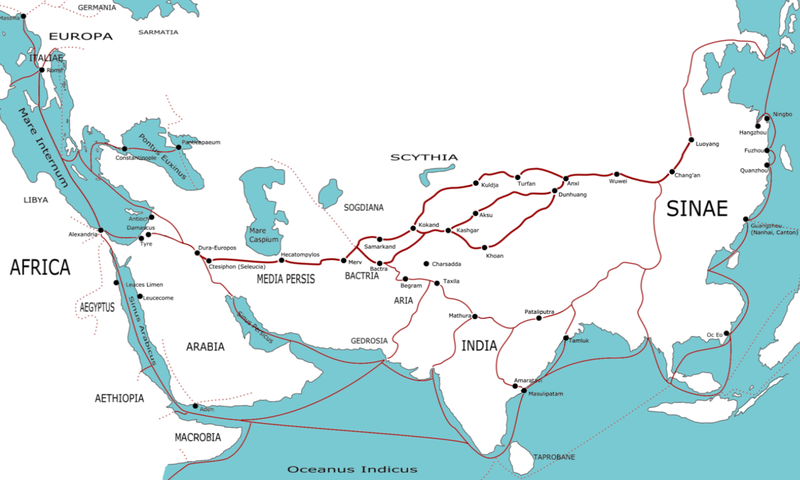
E-commerce breaks down geographical barriers, allowing businesses to reach a worldwide audience.
This global reach has a profound impact on the economy. It creates new jobs in areas like logistics, warehousing, digital marketing, and cybersecurity. It also drives innovation as companies constantly seek new ways to improve the online shopping experience, from personalized recommendations to faster delivery times.
Now, let's test your understanding of these core concepts.
What is the primary definition of electronic commerce (e-commerce)?
What technology from the 1960s is considered a forerunner to modern e-commerce, focused on business-to-business document sharing?
Understanding these models and the history of e-commerce provides a solid foundation for exploring the more complex parts of the digital economy.