Domestic Solar Design Project
Assessing Energy Needs
How Much Energy Do You Really Use?
Before you can choose the right solar energy system, you need to understand your household's energy appetite. Think of it like buying a new air conditioner; you wouldn't buy a tiny unit for a huge house. Sizing a solar system works on the same principle. The goal is to match the system's output to your specific energy needs, ensuring you generate enough power without overspending on a system that's too large.
Evaluating energy consumption is the first step engineers take when trying to reduce energy consumption.
This process starts with a close look at your past and present electricity usage. It's a foundational assessment that influences every subsequent decision in your solar journey.
Analysing Your Consumption Patterns
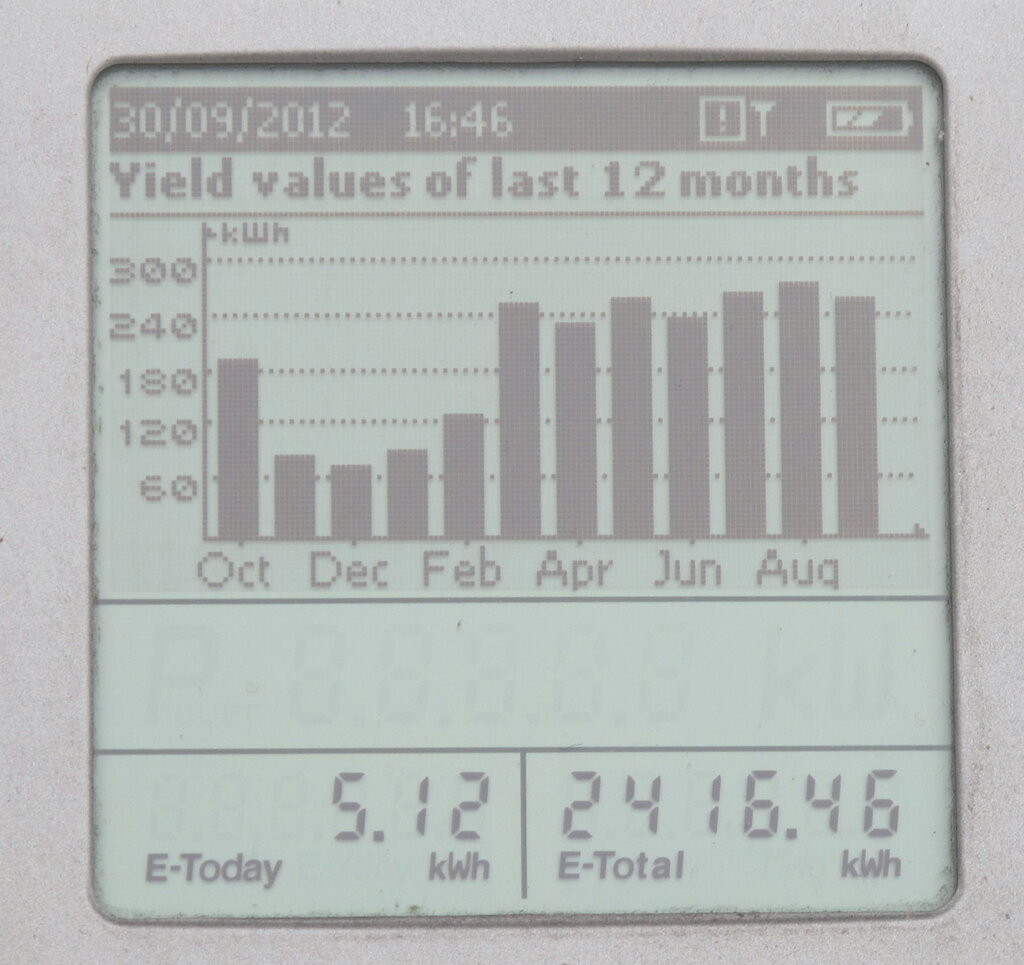
Your electricity bills are the best place to start. They are a detailed record of your energy consumption. Gather at least 12 months of bills to get a complete picture, as this will capture how your usage changes with the seasons. The key figure you're looking for is your usage in kilowatt-hours (kWh).
Kilowatt-hour
noun
A unit of energy equal to the work done by one kilowatt of power acting for one hour. It's the standard unit electricity companies use to measure and bill for your energy consumption.
Once you have the total kWh from your bill, you can calculate your average daily energy consumption for that billing period. This daily average is a crucial number for solar system designers.
For example, if you used 600 kWh in a 30-day month, your average daily consumption would be 20 kWh. Do this for every month of the year to see the full range of your energy use. You'll likely notice a pattern.
Identifying Peak Demand
While your average daily usage is important, it doesn't tell the whole story. You also need to consider your peak demand—the time of day when your household consumes the most electricity at once. This often happens in the morning when you're getting ready for work (think toaster, kettle, and lights) and in the evening when you return (cooking, heating or cooling, and entertainment systems).
Understanding your peak demand is crucial. A standard solar system generates the most power in the middle of the day, which may not align with your peak usage times. This is why battery storage is becoming popular; it allows you to store the solar energy generated during the day and use it during your evening peak, maximising your self-consumption.
Factors That Shape Your Usage
Your energy consumption isn't random. It's a direct result of your lifestyle, appliances, and environment. A key part of your assessment is to identify these influencing factors.
| Factor | Description |
|---|---|
| Appliances | High-draw appliances like air conditioners, electric heaters, ovens, and pool pumps are major energy consumers. Upgrading to energy-efficient models can significantly lower your base and peak loads. |
| Occupancy | The number of people in your home and their daily schedules directly impact energy use. A household with people at home all day will have a different consumption profile than one that's empty from 9 to 5. |
| Seasonal Changes | Heating in winter and cooling in summer are often the largest contributors to seasonal variations in electricity bills. Shorter daylight hours in winter also mean more lighting is used. |
| Future Plans | Are you planning to buy an electric vehicle (EV) or install a pool? These future additions will increase your energy needs, and it's wise to factor them into your system design from the start. |
By thoroughly analysing your energy bills, identifying your peak demand periods, and understanding the factors that drive your consumption, you can accurately determine your energy needs. This essential first step ensures you design a solar system that is perfectly tailored to your household.
What is the primary purpose of analysing your electricity bills before installing a solar energy system?
If your electricity bill for a 30-day month states you used 750 kWh, what was your average daily energy consumption during that period?