Diskoverdata for Data Discovery
Introduction to Data Discovery and Governance
Finding and Managing Your Data
Most organizations have vast amounts of data spread across different systems, servers, and cloud services. But what data do they actually have? Where is it located? Is it sensitive? This is where data discovery comes in.
Data discovery is the process of scanning an organization's entire digital landscape to find and identify data. Think of it like a librarian creating a comprehensive catalog for a massive library. Before you can find a specific book, you first need to know that the book exists, where it's shelved, and what it's about. Data discovery does the same for data, creating an inventory that tells you what you have and where it lives.
The goal of data discovery is to create a complete and accurate map of all your data assets, no matter where they are stored.
Without this map, managing data is nearly impossible. You can't protect sensitive customer information if you don't know where it is. You can't leverage valuable business insights hidden in a forgotten database. And you can't get rid of redundant, obsolete, or trivial (ROT) data that clogs up storage and increases risk.
The Rulebook for Data
Once you've found all your data, you need a plan for how to manage it. This is the role of data governance. If data discovery is the what and where, data governance is the who, how, and why.
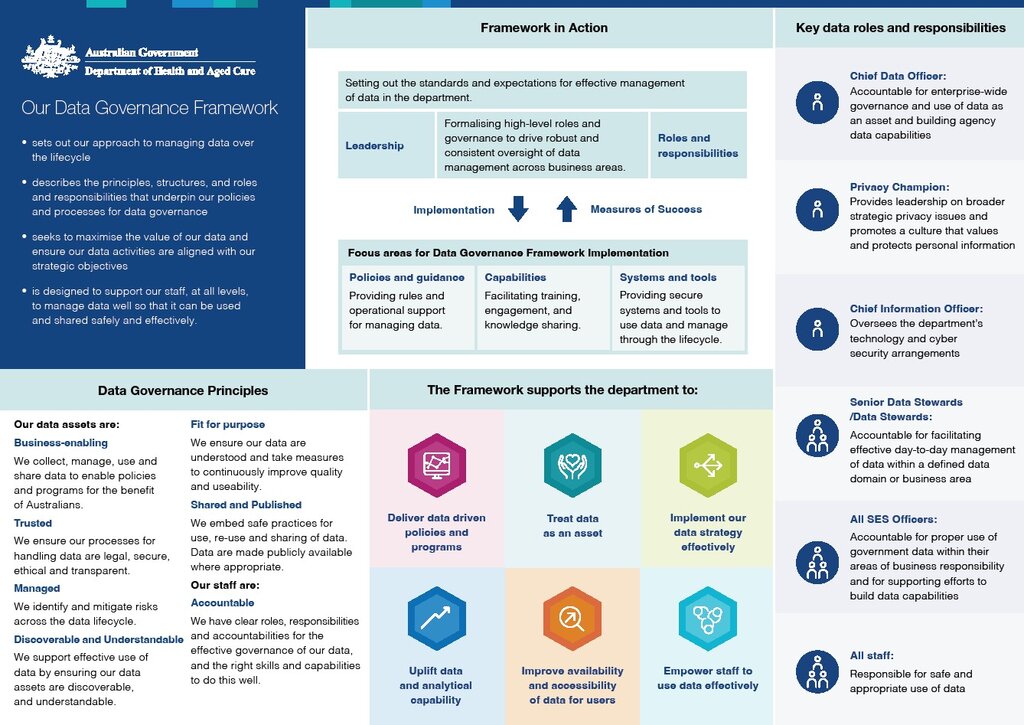
Data governance is the framework of rules, policies, standards, and roles for managing an organization's data. It ensures that data is high quality, secure, and used in a compliant and ethical way. It's not about restricting access; it's about enabling the right people to use the right data at the right time for the right reasons.
Data governance provides a framework for data ownership, roles, responsibilities, and standards, ensuring accountability and proper management of data assets.
An effective governance framework typically includes several key components:
Data Quality
other
Ensuring data is accurate, complete, consistent, and reliable. Poor quality data leads to bad decisions.
Data Security: This involves implementing controls to protect data from unauthorized access, use, or disclosure. It defines who can view, create, or modify data based on their role.
Compliance: This ensures that data management practices adhere to legal and regulatory requirements, such as the GDPR in Europe or HIPAA in healthcare. Non-compliance can result in heavy fines and reputational damage.
Roles and Responsibilities: A clear governance structure assigns ownership and accountability. Roles like Data Owners (accountable for a specific data asset) and Data Stewards (responsible for its day-to-day management) are established to ensure someone is in charge of keeping the data in good shape.
Challenges and Benefits
Implementing data discovery and governance isn't always easy. Many organizations struggle with data silos, where data is trapped in different departments and systems that don't communicate. They also face challenges with inconsistent data formats, a lack of clear ownership, and simply the sheer volume of data being created every day.
However, overcoming these hurdles brings significant benefits. Effective data governance turns data into a reliable and strategic asset. It leads to better, more confident decision-making because you can trust the underlying data. It also enhances operational efficiency by making data easier to find and use, reduces storage costs by eliminating ROT data, and minimizes the risk of data breaches and compliance failures.
Ultimately, good governance builds trust—trust with customers that their data is safe, and internal trust that business decisions are based on solid ground.
Now, let's test your understanding of these core concepts.
What is the primary purpose of data discovery?
Which statement best describes the relationship between data discovery and data governance?
Data discovery and governance are the foundation for managing data effectively. They provide the visibility and control needed to protect data and unlock its full value.