Direct Mail PDF Workflow Automation
Introduction to Variable Data Printing
Printing Gets Personal
Think about the last time you got a flyer in the mail. Maybe it was for a local restaurant or a sale at a nearby store. Most of these are generic, printed by the thousands, and identical. They all say “Dear Customer” or “Valued Neighbor.”
Now imagine that flyer had your name on it. What if it mentioned the last meal you ordered or offered a discount on your favorite item? You'd be much more likely to pay attention. This is the core idea behind Variable Data Printing (VDP).
Variable Data Printing
noun
A form of digital printing in which elements such as text, graphics, and images may be changed from one printed piece to the next, without stopping or slowing down the printing process.
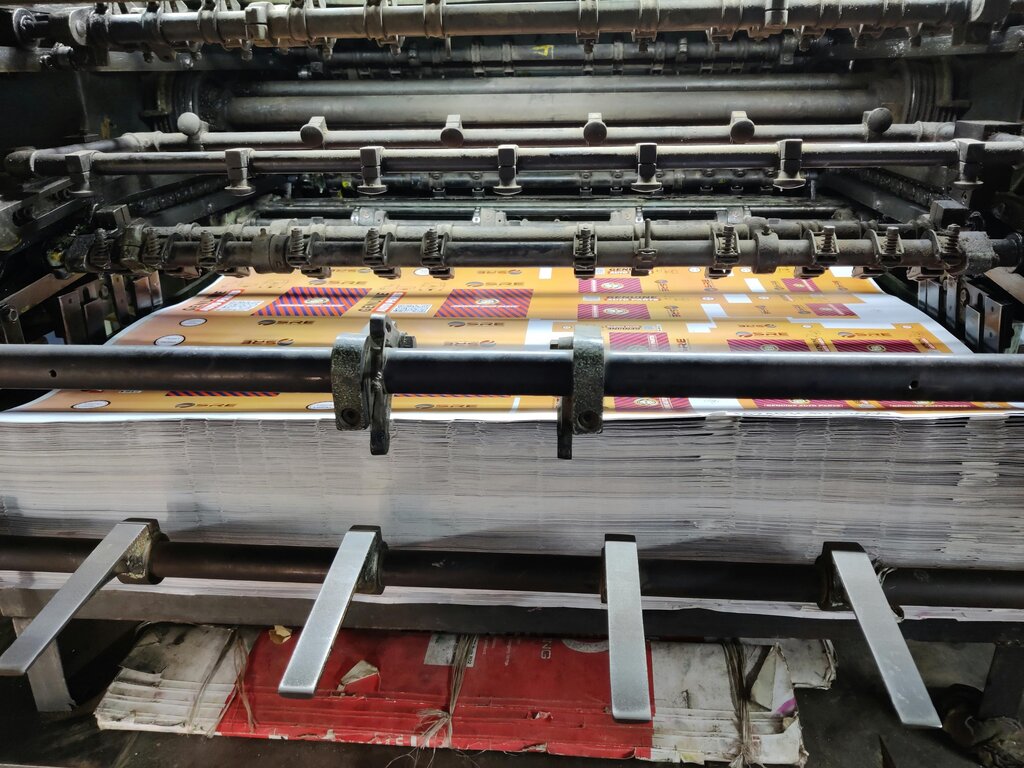
VDP combines a master design template with a database of information. Each piece of mail can be unique. One postcard might have a picture of a sedan for a family, while the next shows a sports car for a recent college grad. This level of customization was impossible with traditional printing, which relies on static plates to create thousands of identical copies.
With traditional printing, every copy is the same. With VDP, every copy can be different.
The VDP Process
So how does it work? The process is surprisingly straightforward and blends creative design with data management.
First, you need a data source. This is usually a simple spreadsheet or database containing information about each recipient—name, address, purchase history, or loyalty status.
Next, a designer creates a template. This document looks like a standard mailer, but certain areas are marked as variable fields. For example, the salutation might be a variable field that pulls each person's name from the database. The system is given rules, like "If 'Customer Type' is 'VIP', show the 25% discount graphic."
Finally, during the digital printing process, the software combines the template and the database. It generates a unique, personalized document for each person in the list and sends it to the printer. This all happens on the fly at high speeds.
Why It Matters for Direct Mail
The benefits of VDP over traditional printing are significant, especially for direct mail campaigns. The primary advantage is increased relevance. A message tailored to an individual is far more likely to be read and acted upon than a generic one. This boosts engagement and leads to higher response rates.
Personalization can be simple, like using a recipient's name, or complex, involving customized images and offers based on past behavior. Imagine a nonprofit sending a fundraising letter. With VDP, they can reference a donor's past contribution amount and suggest a specific new donation, making the appeal feel much more personal and considered.
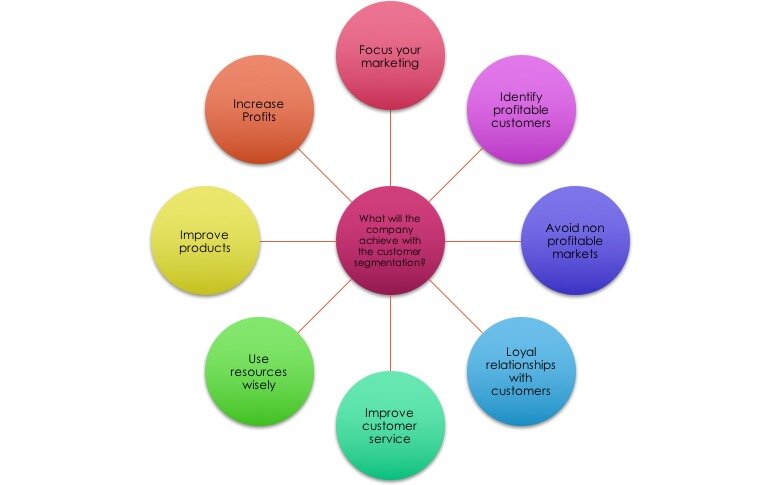
This targeted approach also means less waste. Instead of printing a million generic flyers, a business can send 50,000 highly personalized mailers and get a better return on their investment. It changes direct mail from a broadcast medium into a precision tool.
What are the two core components combined in the Variable Data Printing (VDP) process?
The primary advantage of using VDP for a direct mail campaign is an increase in the message's relevance to the individual recipient.
VDP bridges the gap between digital data and physical media, allowing for marketing that is both tangible and personally relevant.