Digital File Organization Masterclass
Understanding Digital File Organization
The Need for Digital Order
Think about a library. Without the Dewey Decimal System, finding a single book would be an impossible task. You'd be lost in a sea of pages. Your digital life is a lot like that library. Every day, you create and save documents, photos, emails, and downloads. Without a system, it all becomes a jumble of data.
Digital file organization is simply the process of creating a logical structure for your electronic files. It’s about putting things in a place where you and others can find them easily and quickly. It’s the digital equivalent of a well-kept filing cabinet or a neatly organized workshop.
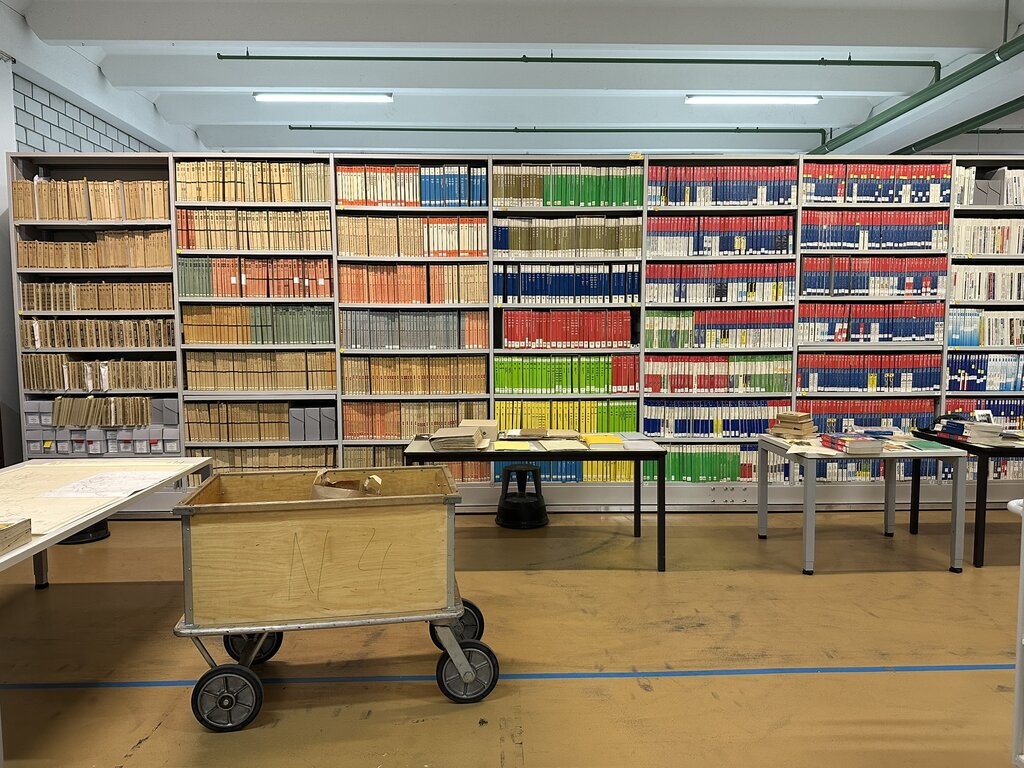
In the past, our information was limited by the physical space we had. Now, with vast and cheap digital storage, we can save almost everything. This convenience has a hidden cost: digital clutter. A disorganized digital environment can be just as chaotic as a messy room, and it can quietly drain our time and energy.
The Payoff of a Tidy Digital Space
Putting a little thought into organizing your files brings significant rewards. The most immediate benefit is a boost in productivity. When you know exactly where to find a file, you don't waste precious minutes (or hours) searching through random folders. This means less frustration and more time to focus on the actual task at hand.
Collaboration also gets a major upgrade. On a team project, a shared, organized file system ensures everyone is on the same page. No more emailing different versions of a document back and forth or wondering if you're looking at the most recent report. A clear structure makes teamwork smoother and more efficient.

Finally, a good system helps with compliance and security. Many organizations have policies about how data should be stored and managed, especially sensitive information. Proper organization makes it easier to follow these rules, protect private data, and ensure that important documents are kept safely.
The Chaos of Digital Clutter
What happens when our digital spaces are messy? The consequences range from minor annoyances to serious problems. The most common issue is wasted time. Constantly searching for misplaced files is a drag on efficiency and a source of unnecessary stress.
A disorganized system often leads to version confusion. You might accidentally work on an old draft of a presentation, only realizing your mistake after you’ve put in hours of effort.
This disorganization can create what's sometimes called "digital overwhelm." When faced with a desktop littered with icons and a downloads folder containing thousands of files, it’s easy to feel mentally bogged down. This clutter creates a subtle, constant distraction that can make it harder to concentrate. In essence, organizing your files isn't just about tidiness; it's about creating a calm, effective environment for your work and your life.