DevOps Fundamentals for Beginners
Introduction to DevOps
What Is DevOps?
At its core, DevOps is a combination of two words: Development and Operations. But it’s much more than just a buzzword. It represents a fundamental shift in how teams build and deliver software.
DevOps is a cultural and professional movement that emphasizes collaboration between software developers (Dev) and IT operations (Ops).
Traditionally, software development and IT operations worked in separate silos. Developers would write code and, when they were finished, they'd essentially "throw it over the wall" to the operations team. The ops team was then responsible for deploying and maintaining that code, often without a deep understanding of how it was built.
This separation created friction. If something went wrong, the developers might blame the operations environment, and the operations team might blame the code. This led to slower release cycles, more errors, and a lot of frustration.
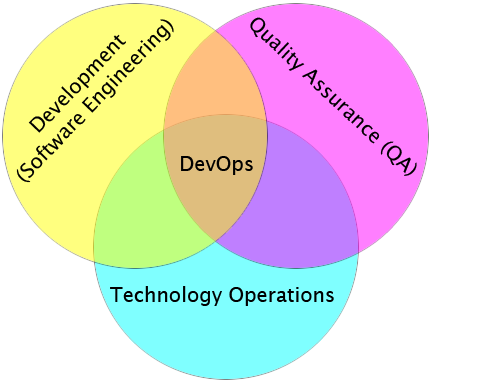
DevOps breaks down that wall. It's a set of practices and a cultural philosophy that brings these teams together to work collaboratively throughout the entire software lifecycle, from development and testing through deployment and operations.
The Cultural Shift
While tools and automation are a big part of DevOps, the most important aspect is the cultural change. It’s a shift from siloed teams with individual responsibilities to a single, unified team with shared ownership.
In a traditional setup, a developer's job is done once the code is written. An operations engineer's job only begins when the code is ready for deployment. In a DevOps culture, everyone is responsible for the software's success from beginning to end. Developers think about how their code will run in a production environment, and operations engineers are involved early in the development process.
The focus moves from "That's not my problem" to "How can we solve this together?"
This collaborative mindset is built on a foundation of communication, transparency, and mutual respect. Teams share goals and are aligned on delivering value to the customer quickly and reliably. This shift is often the most challenging part of adopting DevOps, but it’s also the most critical for success.
Benefits of Adopting DevOps
Why do companies invest so much in this cultural and technical shift? The advantages are significant and directly impact a business's ability to compete in the modern market.
| Benefit | Description |
|---|---|
| Speed | DevOps allows organizations to deliver software faster. By integrating and automating processes, the time from an idea to a deployed feature is drastically reduced. |
| Reliability | With closer collaboration and shared responsibility, teams can improve the quality of application updates. This means fewer failures and faster recovery times. |
| Improved Collaboration | By breaking down silos, DevOps fosters a more effective and engaged work environment. Teams are more productive and focused on common goals. |
| Security | When security is integrated into the entire development lifecycle (a practice sometimes called DevSecOps), teams can build safer applications from the start, rather than treating security as an afterthought. |
Ultimately, these benefits lead to a better end product and happier customers. Companies can respond to market changes more quickly, innovate faster, and operate more efficiently.
What is the most fundamental aspect of DevOps?
In the traditional, pre-DevOps model, what was the main problem created by the separation of development and operations teams?
This introduction covers the core philosophy behind DevOps. It's a journey of improving collaboration to build better software, faster.