DevOps Fundamentals Explained
Introduction to DevOps
What Is DevOps?
Traditionally, building and running software involved two separate teams: developers (Dev) and operations (Ops). Developers wrote the code, and when they were done, they would hand it off to the operations team. The Ops team was then responsible for deploying and maintaining that code on live servers.
This handoff often felt like throwing something over a wall. The Dev team didn't have to worry about how the software would run in the real world, and the Ops team had little input into how it was built. This separation created friction, delays, and a lot of finger-pointing when things went wrong.
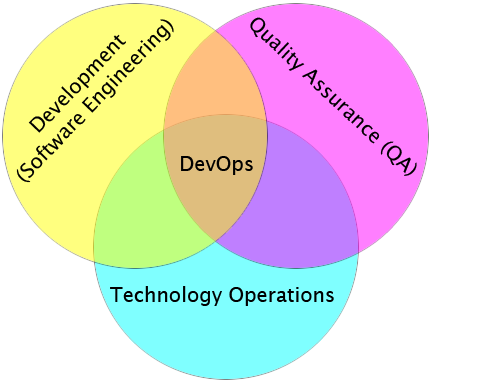
DevOps is a set of practices and a cultural philosophy that tears down this wall. It combines software development and IT operations to shorten the development lifecycle and deliver higher-quality software.
Instead of working in isolated silos, Dev and Ops teams collaborate throughout the entire process, from the first line of code to deployment and maintenance. They share responsibility for the product, which fosters a sense of ownership and encourages better communication.
A Brief History
The ideas behind DevOps grew out of challenges with older software development models. The traditional "waterfall" method was slow and rigid, with long development cycles that could last months or even years.
In the early 2000s, the Agile methodology emerged, which broke large projects into smaller, faster cycles. This was a huge improvement for developers, but it often created a new bottleneck. The Dev team was now producing code much faster than the Ops team could deploy and manage it. The wall between Dev and Ops became a major source of frustration.
Engineers and IT professionals realized that the only way to keep up was to apply Agile principles to the entire software lifecycle. This meant integrating the operations team into the development process from the very beginning. By doing so, they could automate processes, streamline workflows, and get software into the hands of users more quickly and reliably.
The Benefits
Adopting a DevOps approach offers significant advantages for businesses. The core goal is to deliver better products faster, which breaks down into a few key benefits.
| Benefit | Why it Matters |
|---|---|
| Speed | By automating and streamlining the build, test, and release process, DevOps allows teams to deliver new features and bug fixes much more quickly. |
| Reliability | With shared ownership, code is built and tested with the production environment in mind. This leads to fewer failures and more stable releases. |
| Scalability | DevOps practices make it easier to manage and operate infrastructure, allowing systems to scale efficiently as demand grows. |
| Improved Collaboration | Breaking down silos fosters a more effective and communicative team culture, where everyone works together toward a common goal. |
Ultimately, these improvements allow organizations to be more responsive to customer needs and changes in the market. Instead of planning massive, infrequent releases, teams can deploy small, incremental updates, gather feedback, and adapt on the fly.
More Than Tools, It's a Culture
While there are many tools that support DevOps practices, it's crucial to understand that DevOps is not fundamentally about technology. It is a cultural shift in how teams work together. It's about moving from a culture of blame to one of shared responsibility.

In a true DevOps environment, developers, operations staff, quality assurance engineers, and even security teams are all part of a single, cohesive unit. They communicate openly, share knowledge, and feel a collective ownership over the success of the product. This requires trust, transparency, and a commitment to continuous improvement from everyone involved.
Embrace DevOps culture: Empower development and operations teams to continuously improve their system design and processes by working together with a mindset of collaboration, shared responsibility, and ownership.
What was the primary problem that the DevOps movement sought to address?
True or False: DevOps is primarily defined by the specific set of automation tools an organization uses.
This collaborative approach is what allows teams to build, test, and release software faster and more reliably.