DevOps Fundamentals
Introduction to DevOps
What is DevOps?
Imagine a restaurant where the chefs and the servers never speak to each other. The chefs cook whatever they want, then push it through a window. The servers have to figure out what it is, who it's for, and how to present it. If a customer has a complaint, the servers blame the chefs, and the chefs blame the servers. Things would be slow, messy, and the food probably wouldn't be very good.
For a long time, software development worked a bit like that. One team, the developers (Dev), would build the software. When they were done, they'd hand it off to another team, the operations team (Ops), who were responsible for running and maintaining it. This created a natural conflict. The Dev team wanted to release new features quickly, while the Ops team valued stability and wanted to avoid changes that might break things.
This handover was often called "throwing it over the wall." It led to delays, misunderstandings, and a lot of finger-pointing when things went wrong.
DevOps was created to solve this problem. The name itself is a blend of "Development" and "Operations." It isn't a specific tool or a piece of software. It's a philosophy and a set of practices that bring these two teams together. The goal is to combine their skills and goals into a single, unified process.
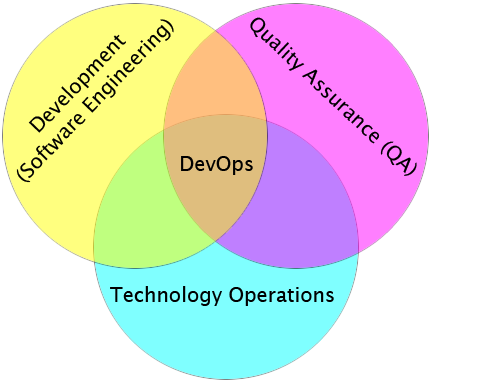
A Shift in Culture
While tools that automate building and deploying software are part of DevOps, the most important change is cultural. It's about changing how people think and work together. Instead of separate teams with competing priorities, you create a single team with a shared goal: delivering a high-quality product to the customer efficiently.
DevOps is as much about culture as it is about tech.
This cultural shift is built on a few key principles:
-
Breaking Down Silos: Silos are teams or departments that work in isolation. DevOps breaks down the walls between Dev and Ops, encouraging constant communication and collaboration.
-
Shared Responsibility: In a DevOps culture, everyone is responsible for the product's success from start to finish. If a bug makes it to production, it's not just the Ops team's problem to fix; it's the whole team's responsibility to understand why it happened and prevent it in the future.
-
Continuous Feedback: Teams constantly look for ways to improve. They gather feedback from the software itself and from users, then use that information to make the next version better. Failure isn't something to be punished; it's an opportunity to learn.
Why Bother with DevOps?
Organizations adopt DevOps because it delivers real business results. When development and operations teams are aligned, the entire software delivery process becomes more efficient and effective.
| Benefit | Description |
|---|---|
| Speed | Teams can release new features and updates much faster because the process is streamlined and automated. |
| Reliability | With more frequent releases, changes are smaller and easier to troubleshoot. Collaboration also means more eyes on the code, catching bugs earlier. |
| Improved Collaboration | A shared sense of ownership reduces conflict and leads to more innovative and effective teams. |
| Security | Security is integrated into the development process from the beginning, rather than being an afterthought. This makes the final product more secure. |
By focusing on collaboration and shared goals, DevOps helps teams build better software, faster. It transforms the development lifecycle from a disconnected relay race into a coordinated team effort.
What is the primary conflict that DevOps was created to resolve?
At its core, DevOps is best described as: