DevOps Fundamentals
Introduction to DevOps
Bridging the Gap
In the past, building and running software often felt like a relay race with a very clumsy handoff. First, the development team would write the code. When they finished, they'd essentially throw it over a wall to the operations team. It was the operations team's job to get that code running on live servers and keep it stable.
This separation created natural tension. Developers are rewarded for creating new features quickly. Operations staff are rewarded for keeping systems running without any interruptions. Change is the enemy of stability, so these two goals were often in direct conflict. The result? Slower releases, more bugs, and a lot of finger-pointing when things went wrong.
A New Philosophy
DevOps emerged to tear down that wall. It's not a specific job title or a piece of software, but rather a combination of cultural philosophies, practices, and tools.
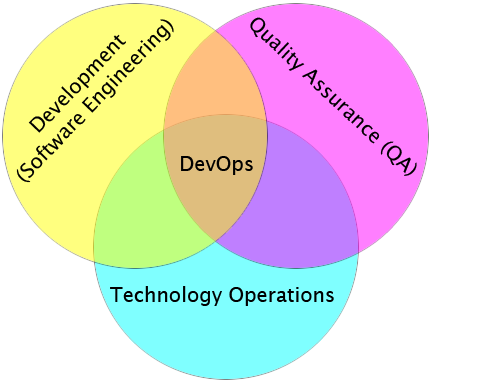
DevOps is a cultural and professional movement that emphasizes collaboration between software developers (Dev) and IT operations (Ops).
The core idea is to combine Development and Operations into a single, cohesive team. Instead of working in separate silos, everyone shares responsibility for the entire application lifecycle, from writing the first line of code to deploying it and monitoring its performance.
DevOps
noun
A set of practices that combines software development (Dev) and IT operations (Ops) to shorten the development life cycle and provide continuous delivery with high software quality.
By working together from the very beginning, teams can anticipate problems, automate tedious tasks, and release updates to users much more frequently and reliably. The focus shifts from protecting individual turf to achieving a common goal: delivering value to the customer.
Why It Matters Now
The rise of cloud computing, complex microservices, and the constant demand for new features has made the old way of working unsustainable. Modern software development requires speed and agility. DevOps provides the framework to achieve this.
| Traditional Approach | DevOps Approach |
|---|---|
| Large, infrequent releases | Small, frequent releases |
| Manual, error-prone deployment | Automated, reliable deployment |
| Siloed teams (Dev vs. Ops) | Cross-functional, collaborative teams |
| Fear of failure | Learning from failure |
| Long feedback cycles | Rapid feedback and iteration |
The key benefits of this shift are significant.
- Speed: Teams can release new features and fix bugs much faster, giving them a competitive edge.
- Reliability: With more frequent, smaller releases and automated testing, the software becomes more stable. When issues do occur, teams can resolve them more quickly.
- Improved Collaboration: Breaking down silos leads to happier, more productive teams. Shared ownership reduces blame and fosters a more positive work environment.
- Security: By integrating security practices into the entire development process (a concept called DevSecOps), applications are more secure from the start, not as an afterthought.
Ultimately, DevOps helps organizations build better products faster, which leads to happier customers and a healthier business.
Now let's check your understanding of these core concepts.
In the traditional model of software development, what was the primary source of conflict between Development and Operations teams?
True or False: DevOps is primarily a specific software package that a company can buy to automate its processes.
DevOps is a fundamental change in how teams think about building and delivering software. By focusing on collaboration, automation, and shared responsibility, it allows organizations to keep pace with the demands of the modern digital world.