Decoding Vibecoding
Introduction to Vibe Coding
What is Vibe Coding?
Instead of writing code line by line, what if you could just describe what you want your program to do in plain English? That’s the core idea behind vibe coding. It's a way of developing software by having a conversation with an AI.
Think of it as collaborating with a very fast, knowledgeable assistant. You provide the vision and the high-level instructions, and the AI handles the syntax and boilerplate code.
This approach shifts the focus from mastering the strict rules of a programming language to clearly articulating your intentions. You're moving from giving deterministic, precise instructions to guiding a probabilistic system that infers your goals.
Vibe coding is a software development paradigm where humans and generative AI engage in collaborative flow to co-create software artifacts through natural language dialogue, shifting the mediation of developer intent from deterministic instruction to probabilistic inference.
A Brief History
The term itself is relatively new. While AI-assisted tools have been around for a while, the specific phrase “vibe coding” gained traction after it was coined by AI researcher Andrej Karpathy in early 2025.
Vibe coding, a term coined by Andrej Karpathy in February 2025, has quickly become a compelling and controversial natural language programming paradigm in AI-assisted software development.
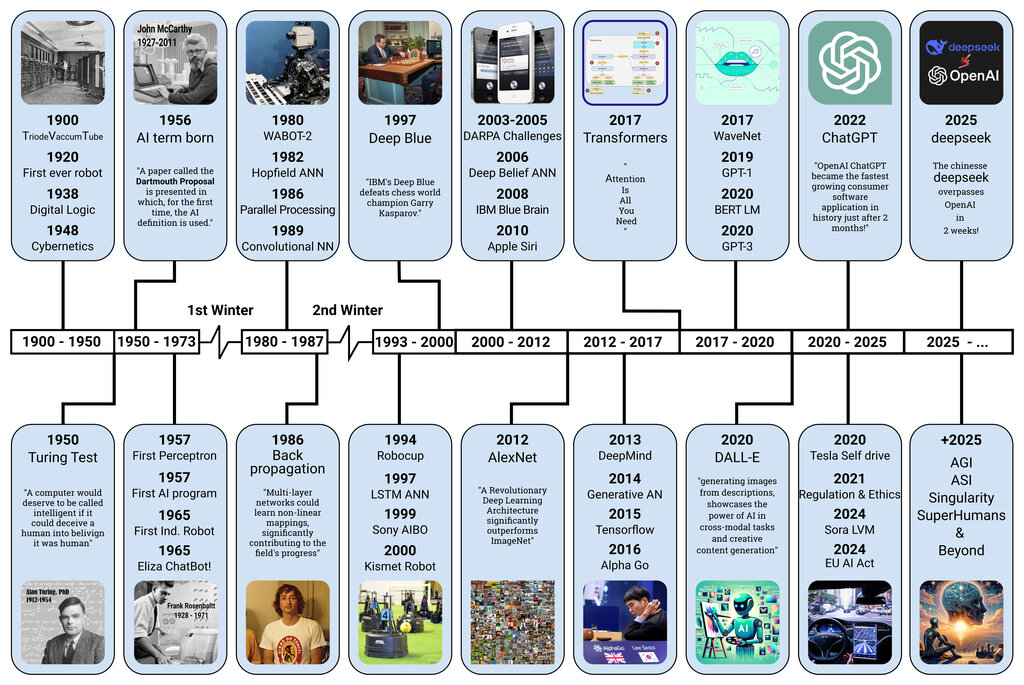
But the concept didn't appear out of thin air. It stands on the shoulders of decades of research in artificial intelligence and natural language processing. The recent explosion in the power of Large Language Models (LLMs), like those behind ChatGPT, is what finally made this conversational style of coding a practical reality.
How Does It Work?
At the heart of vibe coding are Large Language Models. These are complex AI systems trained on vast amounts of text and code from the internet. They learn the patterns, structures, and relationships in both human language and programming languages.
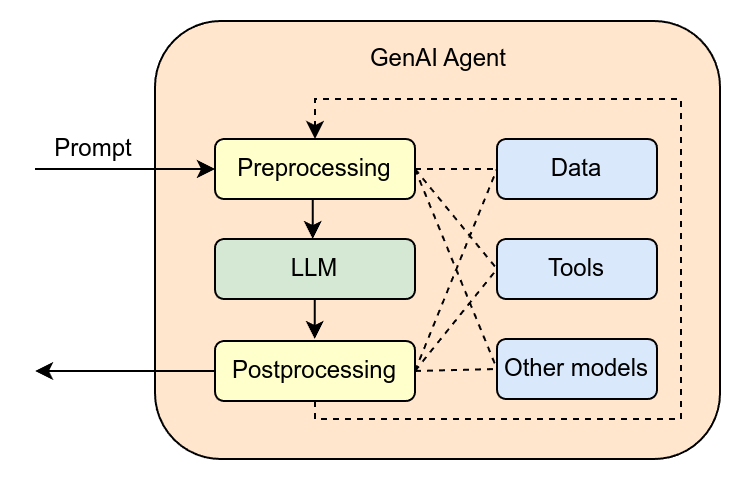
The process is an interactive loop:
-
Prompt: The developer writes a request in natural language. This can be anything from "Create a simple web page with a blue button" to "Write a Python script to sort a list of names alphabetically."
-
Generation: The LLM processes the prompt, understands the intent, and generates a block of code to accomplish the task.
-
Refinement: The developer reviews the code. If it's not quite right, they can provide feedback or ask for changes, like "Now make that button green and add a header that says 'Welcome'."
This back-and-forth continues until the software meets the developer's needs. The key is the collaborative, iterative nature of the process.
Effective vibe coding isn't about giving a single perfect prompt, it's about guiding the AI through a conversation.
For example, you could start with a simple prompt.
Write a Python function to calculate the area of a circle.
The LLM might generate the following code:
import math

def calculate_circle_area(radius):
    """Calculates the area of a circle given its radius."""
    if radius < 0:
        return "Radius cannot be negative."
    return math.pi * (radius ** 2)
From here, you could ask the AI to add error handling or include comments, refining the code through conversation rather than typing it all yourself.
What is the primary shift in the software development process when using 'vibe coding'?
Which technology is most essential for the practical application of vibe coding?
This conversational approach is fundamentally changing how people build software, opening up development to a wider audience and allowing experienced programmers to prototype ideas faster than ever.